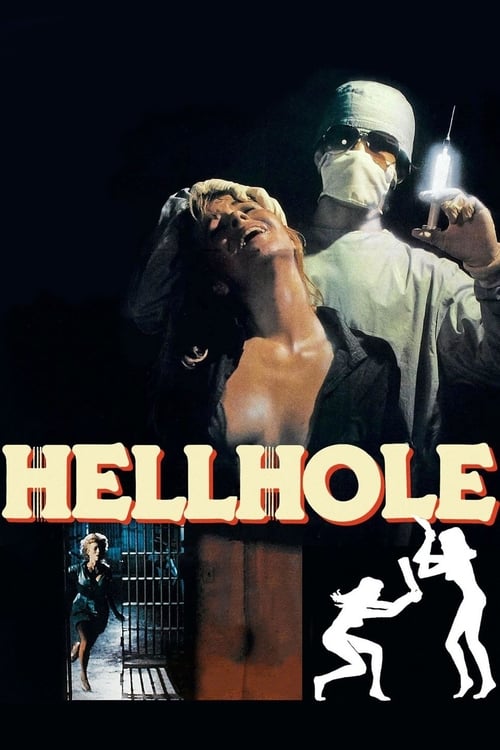
Hellhole
1985
No user ratings available yet
Representation score: 3.8 out of 10
Representation Score
Good
1977
NC-17Director
Jesús Franco
Runtime
88 minutes
Average Rating
No ratings yetNew Showbiz Analysis
Jesús Franco’s work utilizes the transgressive themes of the exploitation genre to challenge conventional social boundaries. By centering women's ability to drive the story in a claustrophobic, female-dominated environment, the film subverts traditional power hierarchies. However, the film remains limited by the casting conventions of its era. The lack of racial diversity and explicit LGBTQ representation prevents a more multi-layered exploration of its themes. Ultimately, the film functions as a critique of institutional authority. It replaces stable social structures with a fragmented portrayal of corruption and moral decay.
Category Breakdown
The film focuses on female-centric spaces within a mental hospital but does not include explicit LGBTQ narratives or non-cisgender identities.
The story centers on a woman who actively infiltrates a system to achieve her goals, showcasing her control over the narrative. It challenges traditional gender roles by portraying institutional authority as predatory.
The cast follows the homogeneous European demographic typical of 1970s exploitation cinema. There is little evidence of diverse casting or varied backgrounds.
The narrative critiques Western institutions by depicting a mental hospital as a site of systemic corruption. It rejects traditional morality in favor of a chaotic, subjective ethical landscape.
Characters with mental health conditions are central to the plot. They face victimization but also show ability to act in their struggle against institutional oppression.
Present on Screen
Limited or Absent
Official Synopsis
A young woman feigns illness in order to infiltrate a mental hospital, where she investigates the disappearance of her sister, a former patient. Meanwhile, the hospital warden and her attendants abuse and torture their charges, forcing them to star in cheap skinflicks.
1985

1976
1976
1967
1975

1981

1970
1970
No reviews yet. Be the first to share your thoughts on this movie!
Use the rating form above to leave a star rating and optional review.