
¡Cuba Sí!
1961
No user ratings available yet
Diversity score: 7.0 out of 10

1994
Not RatedDirector
Chris Marker
Runtime
121 minutes
Average Rating
No ratings yetSynopsis
A documentary on Soviet filmmaker Aleksandr Medvedkin, examining his tumultuous career, the rediscovery of his masterpiece Happiness, and Russia's struggles over the course of the 20th Century.
Overall Score
Good
Category Breakdown
LGBTQ+ Representation
The film focuses on political history and cinematic legacy. It contains no LGBTQ+ characters or narratives addressing queer themes.
Gender Representation
Archival footage depicts women as active participants in socio-political upheavals. The film avoids reinforcing traditional domesticity through these historical portrayals.
Racial & Ethnic Diversity
The narrative includes Central Asian, Caucasian, and Slavic peoples from across former Soviet territories. This highlights a complex, multi-ethnic reality rather than a monolithic Slavic perspective.
Religious & Cultural Diversity
The film critiques traditional power structures by examining state atheism and the failures of the revolutionary project. It deconstructs systemic integrity and the betrayal of utopian ideals.
Disability Representation
There is no discernible focus on disability representation or its use as a narrative device within this archival work.
Strengths
Areas for Improvement
AI Analysis
The Last Bolshevik is a sophisticated essay film that uses the life of Aleksandr Medvedkin to interrogate 20th-century political history. It excels at dismantling monolithic historical narratives by showcasing the multi-ethnic reality of the Soviet Union and critiquing systemic institutional failures. While the film provides a profound deconstruction of capitalist and religious structures, it lacks specific identity-based representation. The absence of LGBTQ+ and disability-focused narratives limits its scope in those specific categories. Ultimately, the film's strength lies in its intellectual reflexivity and its ability to challenge Western-centric historical frameworks through a diverse, archival lens.
1961
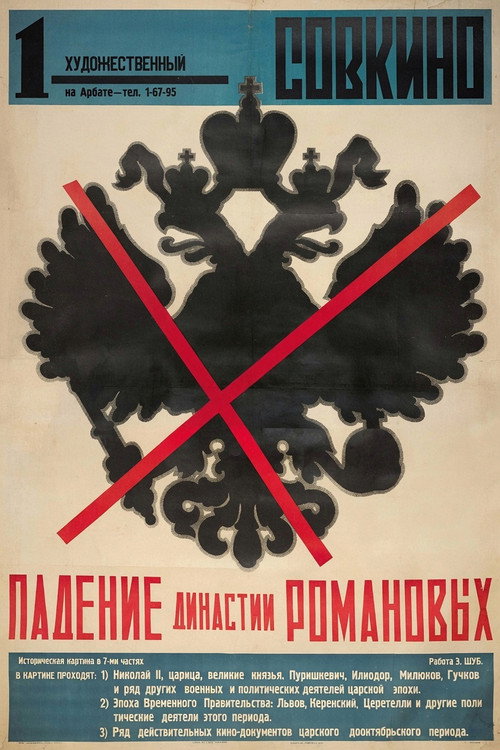
1927
2012

1975
2019
1921

1996

2017

2018
2022

2015

1970
No reviews yet. Be the first to share your thoughts on this movie!
Use the rating form above to leave a star rating and optional review.