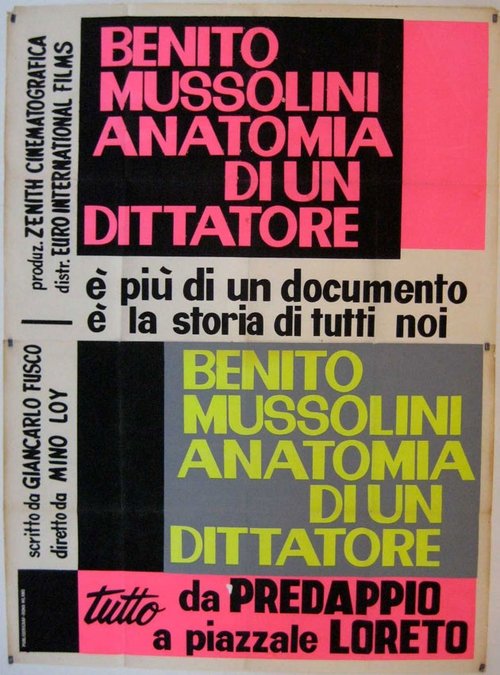
Benito Mussolini: Anatomy of a Dictator
1962
No user ratings available yet
Representation score: 2.1 out of 10
Representation Score
Fair
2022
Director
Mark Cousins
Runtime
98 minutes
Average Rating
No ratings yetNew Showbiz Analysis
Mark Cousins' film offers a critical look at the rise of Benito Mussolini. Instead of celebrating this history, the film breaks down the systemic mechanisms that enabled totalitarianism to spread globally. The documentary's strength is its analytical approach to the corruption of Western political institutions. It challenges traditional historical views by looking at how unchecked nationalism and state control can lead to oppression. While the film doesn't show much ability to act for diverse groups, it provides a deep critique of the power structures and social hierarchies in place in 1922 Italy.
Category Breakdown
The film explores how non-traditional identities were suppressed during the Fascist era. It looks at how the state controlled these identities through historical criticism.
The movie examines how Fascist ideology enforced strict, traditional gender roles. It highlights the conflict between state-mandated femininity and personal freedom during this time.
The film focuses on the Italian political scene of the early 1920s. It critiques the racial hierarchies and Eurocentric expansions that shaped this era.
The documentary critiques traditional Western institutions such as nationalism and centralized authority. It presents the rise of Fascism as a systemic disruption of global stability.
There is no information about the depiction of individuals with disabilities in this historical documentary.
Present on Screen
Limited or Absent
Official Synopsis
The fascinating story of the rise to power of dictator Benito Mussolini (1883-1945) in Italy in 1922 and how fascism marked the fate of the entire world in the dark years to come.
1962

2012
1962

1935

2017

2009

1977

2018
No reviews yet. Be the first to share your thoughts on this movie!
Use the rating form above to leave a star rating and optional review.