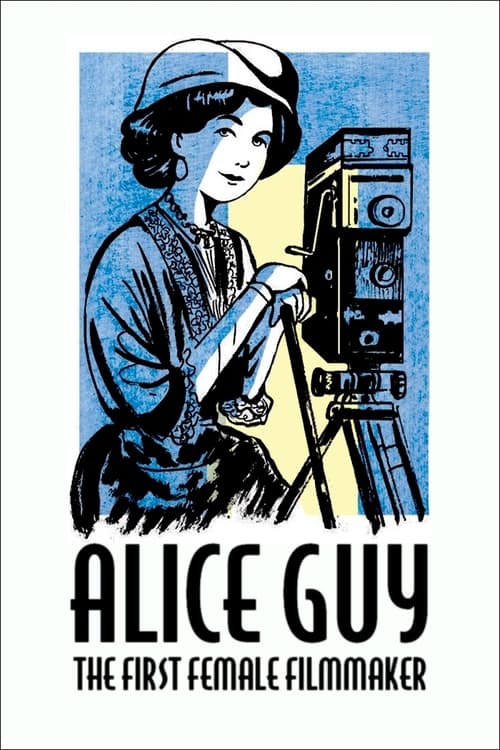
Alice Guy, the First Female Filmmaker
2021
No user ratings available yet
Representation score: 5.8 out of 10
Representation Score
Fair
2018
Not RatedDirector
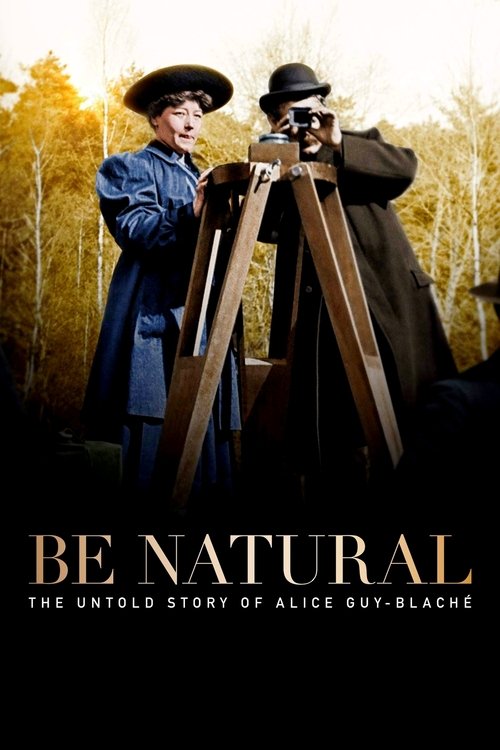
Pamela B. Green
Runtime
103 minutes
Average Rating
No ratings yetNew Showbiz Analysis
This documentary serves as a powerful act of restorative cinema. It dismantles the myth of the 'male auteur' by documenting Guy-Blaché’s immense professional and economic power. While the film lacks explicit LGBTQ+ or racial diversity, it uses its historical context to critique how systemic exclusion functions. It turns the lens on the institutions that attempted to bury her legacy. Ultimately, the work is a sophisticated critique of historical construction, proving that the cinematic canon has long been shaped by exclusionary power dynamics.
Category Breakdown
The documentary focuses on a historical biography. It does not center on queer narratives or non-straight identities.
The film challenges traditional hierarchies by highlighting Alice Guy-Blaché's professional role and intellectual influence in a male-dominated era.
The narrative reflects the demographics of the early film industry. It highlights the systemic exclusion and erasure within these historical institutions.
The film critiques Western institutional memory. It challenges the authority of established history books that suppressed female achievements.
There is no significant evidence regarding the portrayal of physical or neurodivergent disabilities as central narrative elements.
Present on Screen
Limited or Absent
Official Synopsis
The epic life story of Alice Guy-Blaché (1873–1968), a French screenwriter, director and producer, true pioneer of cinema, the first person who made a narrative fiction film; author of hundreds of movies, but banished from history books. Ignored and forgotten. At last remembered.
2021

2018
2019
2019
2020
1997

2024
2021
No reviews yet. Be the first to share your thoughts on this movie!
Use the rating form above to leave a star rating and optional review.