
Stalin's Daughter
2015
No user ratings available yet
Representation score: 5.0 out of 10
Representation Score
Limited
2019
Director
Sergei Loznitsa
Runtime
135 minutes
Average Rating
No ratings yetNew Showbiz Analysis
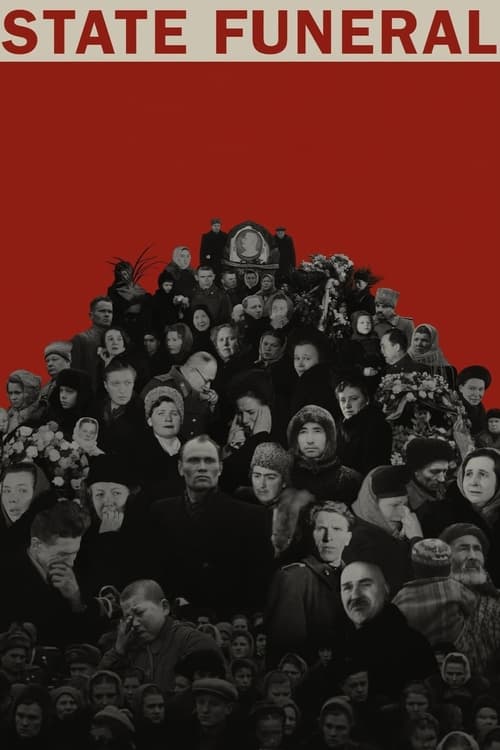
State Funeral serves as a historical examination of the Stalinist era, using unique archival footage to explore the mechanisms of a personality cult. It is not designed for modern demographic inclusivity but rather as a semiotic study of state-mandated rituals. The film's strength lies in its intellectual deconstruction of systemic oppression. By observing the staged spectacle of communal mourning, Loznitsa exposes how institutional power operates through the manipulation of the masses. While the film lacks modern identity-based representation, it succeeds as a sophisticated critique of centralized authority and the architecture of totalitarian control.
Category Breakdown
The film does not include any representation of LGBTQ+ identities. The archival footage focuses on large-scale state rituals rather than individual stories related to non-straight relationships.
Women appear in the mourning crowds, reflecting the gender roles of the 1950s. The film observes these existing gender dynamics without challenging them.
The footage captures a predominantly Eastern European population. It reflects the ethnic diversity of the USSR during that time period.
The film offers a critical look at how totalitarian institutions co-opt communal rituals. It examines how centralized authority manipulates human emotions and power.
There is no evidence of characters with visible or invisible disabilities. The focus remains on the collective citizenry rather than individual medical conditions.
Present on Screen
Limited or Absent
Official Synopsis
The enigma of the personality cult is revealed in the grand spectacle of Stalin’s funeral. The film is based on unique archive footage, shot in the USSR on March 5 - 9, 1953, when the country mourned and buried Joseph Stalin.
2015

1935
2021

2012

1994
1928
2018
2014
No reviews yet. Be the first to share your thoughts on this movie!
Use the rating form above to leave a star rating and optional review.