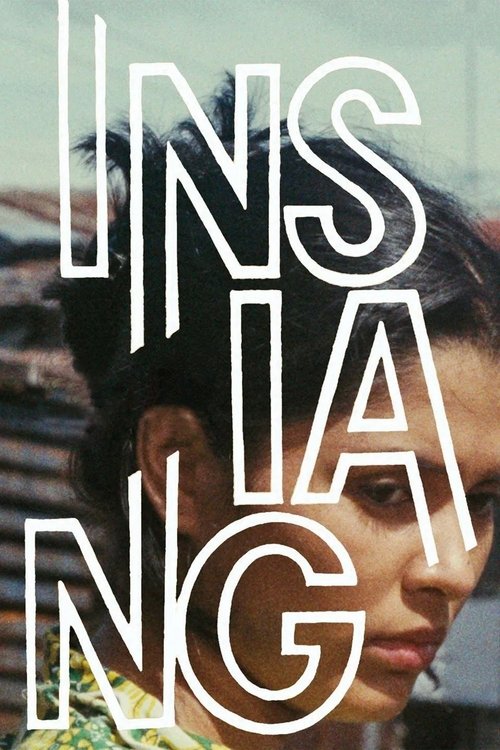
Insiang
1976
No user ratings available yet
Representation score: 5.8 out of 10
Representation Score
Excellent
1987
Director
Lino Brocka
Runtime
128 minutes
Average Rating
No ratings yetNew Showbiz Analysis
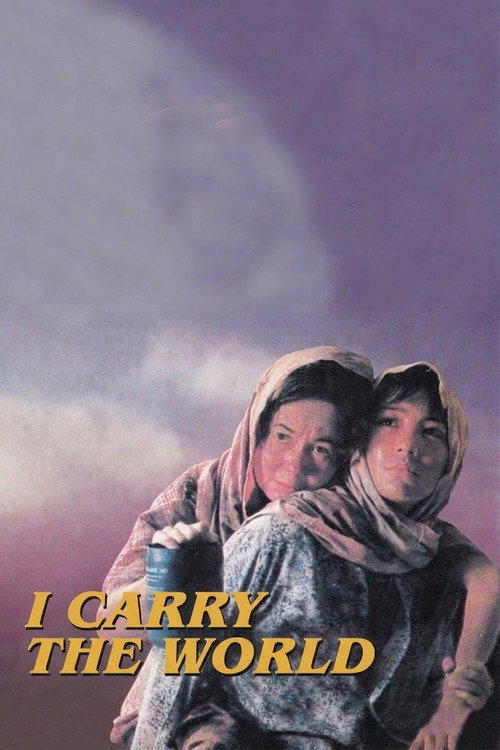
Lino Brocka’s film is a powerful exercise in social realism that centers on the underrepresented inhabitants of Smokey Mountain. It successfully avoids cinematic escapism by focusing on the systemic failures and socioeconomic stratification of Manila. The film excels in ethnic and cultural authenticity, providing a post-colonial critique of urban development. By centering the Filipino working class, it offers a grounded perspective on how institutional neglect impacts the local population. While the film provides strong representation for disability and women's ability to drive the story, it lacks engagement with LGBTQ+ themes. The reliance on gendered violence as a plot catalyst remains a complex element of its narrative structure.
Category Breakdown
The film does not include any explicit LGBTQ+ characters or explore non-cisgender identities. Instead, it focuses on the protagonist's struggles with gendered violence and economic challenges.
The female protagonist plays a significant role in driving the story, transitioning from a vulnerable scavenger to a successful singer. Her journey highlights resilience, but gendered violence is a central plot driver.
The film offers high ethnic authenticity by centering a Filipino cast within Manila's socio-cultural landscape. It prioritizes the voices of the localized working class over homogenized perspectives.
The narrative critiques capitalist structures and the effectiveness of religious institutions. Using the Manila Cathedral as a backdrop for begging highlights the tension between spiritual authority and material suffering.
The protagonist's crippled mother is a central figure in the story. The film avoids sentimental cliches by framing disability within the realistic, harsh context of survival and poverty.
Present on Screen
Limited or Absent
Official Synopsis
Living in the slums, Lupe carries her disabled mother while begging outside the Manila Cathedral, before leveraging her singing talent to escape poverty and rise to stardom.
1976
1993
1980
1979

1989

1991

1975

1997
No reviews yet. Be the first to share your thoughts on this movie!
Use the rating form above to leave a star rating and optional review.