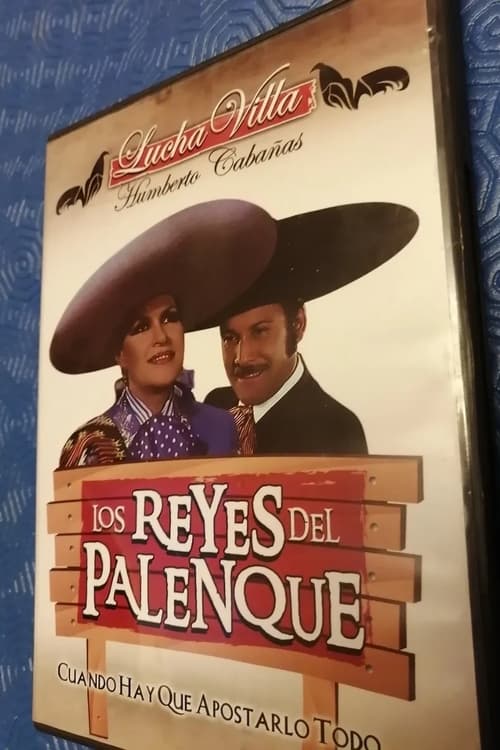
Los Reyes del Palenque
1979
No user ratings available yet
Representation score: 2.7 out of 10
Representation Score
Good
1993
Director
Sergio Andrade, Pedro Galindo III
Runtime
90 minutes
Average Rating
No ratings yetNew Showbiz Analysis
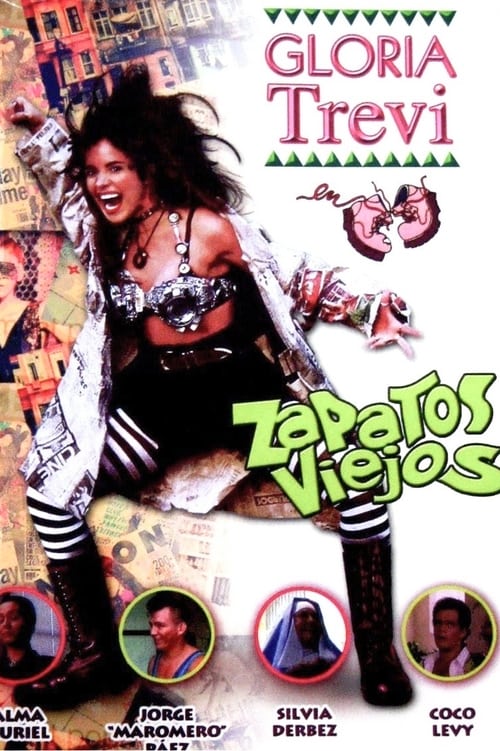
Zapatos viejos is a work of social realism that finds its strength in the ability to act of its female protagonist. By centering Gloria's transition from an abusive hospice environment to a life of street-level survival, the film challenges conventional depictions of female passivity. The film excels at critiquing systemic oppression and the failure of traditional caregiving institutions. It uses music as a powerful symbol of emotional truth and liberation for those living on the margins of society. However, the film lacks explicit markers of LGBTQ+ identities or specific depictions of neurodivergence or physical disability, remaining focused primarily on socioeconomic and gendered struggles.
Category Breakdown
The film does not explicitly depict LGBTQ+ identities or relationships. Two female characters share a strong bond while surviving on the streets, but there is no indication of queer intimacy.
Gloria's journey from forced servitude to self-directed survival challenges traditional gender roles. The narrative emphasizes female resilience and artistic expression as tools for reclaiming autonomy against systemic abuse.
As a Latin American production, the film centers non-Western perspectives and socioeconomic struggles. It challenges Western-centric storytelling by highlighting the lived experiences of the disenfranchised.
The story critiques social hierarchies by portraying caregiving institutions as sites of oppression. Music serves as a vital tool for liberation against rigid, abusive social structures.
The narrative explores the psychological impact of trauma and poverty. While specific disabilities are not detailed, Gloria's struggle is framed through survival and empowerment rather than mere inspiration.
Present on Screen
Limited or Absent
Official Synopsis
Young Gloria is abused by the Vitorina, hospice caretaker hosting it. She forces her to perform the heaviest tasks. Gloria is only happy in music class. When she grows decides to escape, and now she lives on the street with another girl, both singing in the trucks and try to survive.
1979

2018
1961
2008

2019
1950

1963

2016
No reviews yet. Be the first to share your thoughts on this movie!
Use the rating form above to leave a star rating and optional review.