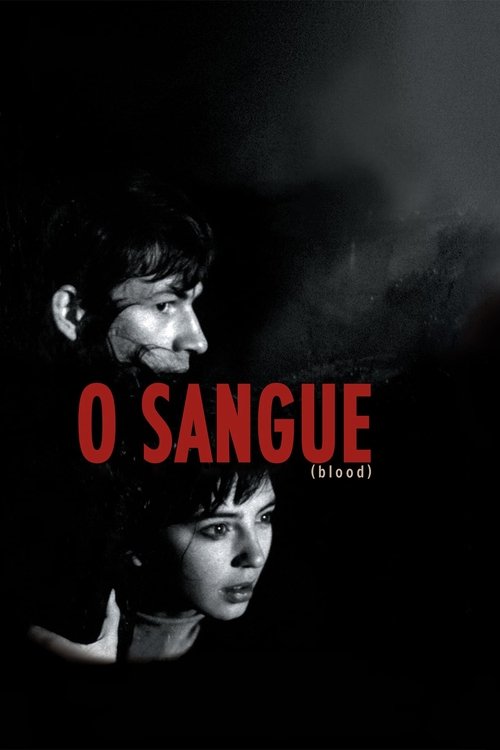
Blood
1989
No user ratings available yet
Representation score: 7.5 out of 10

Representation Score
Good
1975
TV-14Director
Lino Brocka
Runtime
127 minutes
Average Rating
No ratings yetNew Showbiz Analysis
Lino Brocka’s masterpiece is a landmark of social realism that challenges myths of urban progress. It succeeds by centering a post-colonial perspective and rejecting capitalist idealism in favor of a raw, unvarnished look at the Filipino working class. The film’s strength lies in its ability to frame social breakdown as a result of systemic failures rather than individual moral failings. By portraying the city as a predatory machine, it challenges conventional authority and traditional morality. However, the work remains limited by its focus on traditional heterosexual relationships and a lack of explicit representation for LGBTQ+ identities or neurodivergent characters.
Category Breakdown
The film focuses on traditional heterosexual relationships and does not include any explicit depictions of LGBTQ+ narratives or non-cisgender identities. The story centers on class struggles rather than exploring diverse sexual orientations or gender identities.
The narrative highlights the systemic vulnerability of women, particularly through the character Ligaya, who embodies the violence experienced by underrepresented women in predatory power structures.
The film features an entirely Filipino cast, asserting a post-colonial identity and avoiding a touristy portrayal of the country. It presents a raw depiction of the urban poor's struggle, focusing on the lives of the working class.
The film provides a sophisticated critique of capitalism in Manila. It portrays state and police authorities as predatory entities rather than protectors of the community, challenging the traditional notion of authority.
The film does not feature characters with specific disabilities. Instead, it uses physical exhaustion and malnutrition as metaphors for the systemic bodily trauma caused by poverty, illustrating the impact of economic hardship on individuals.
Present on Screen
Limited or Absent
Official Synopsis
Julio, a young fisherman from a provincial village, descends into social alienation as he arrives in Manila to search for his loved one.
1989
1995
1983

2016
1982

1976

2018

1979
No reviews yet. Be the first to share your thoughts on this movie!
Use the rating form above to leave a star rating and optional review.