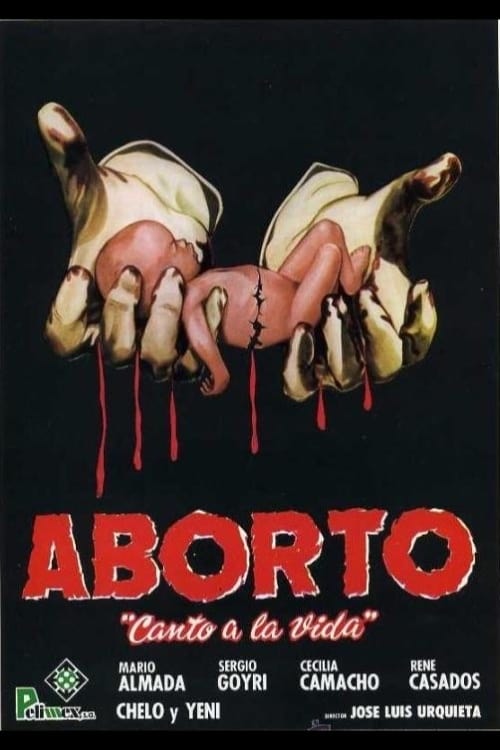
Abortion: A Song to Life
1983
No user ratings available yet
Representation score: 6.1 out of 10
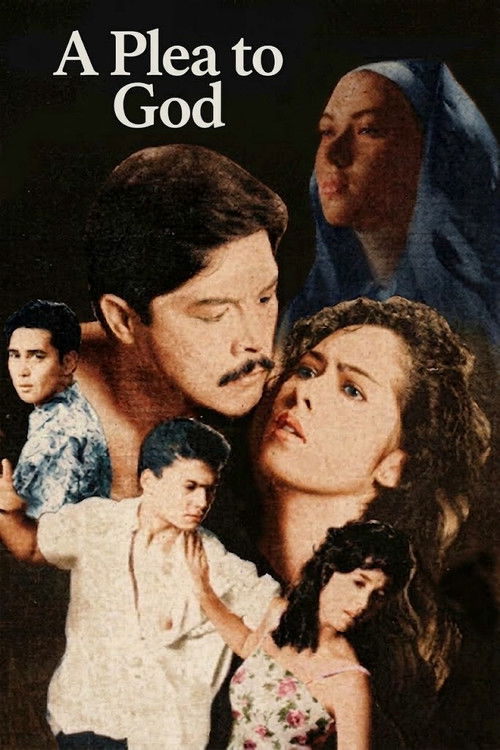
Representation Score
Good
1991
Director
Lino Brocka
Runtime
113 minutes
Average Rating
No ratings yetNew Showbiz Analysis
Lino Brocka’s direction brings a history of social critique to this drama, focusing on the struggles of underrepresented individuals. The film effectively deconstructs religious institutionalism and patriarchal norms through its central conflict. The narrative succeeds in providing a non-Western perspective, moving away from a Hollywood-centric viewpoint to explore domestic social complexities. It uses the protagonist's isolation to highlight systemic failures within the Church. However, the film lacks visible LGBTQ+ representation and provides no information regarding disability. The focus remains strictly on the intersection of gender, religion, and institutional oppression.
Category Breakdown
The film focuses on a heterosexual character's traumatic experience involving rape and pregnancy. There are no explicit LGBTQ+ characters or non-straight identities mentioned.
The movie centers on a woman's struggle against patriarchal and institutional control. It emphasizes the woman's ability to drive the story despite traditional expectations of passivity and submissiveness after a violation of her autonomy.
As a Filipino production, the film offers a non-Western perspective. It explores cultural identity and social standing within a Southeast Asian context.
The story critiques organized religious institutions by showing a Church that ostracizes a victim. This challenges the idea of religious structures as inherently benevolent or supportive.
There is no specific evidence regarding the portrayal of physical or neurodivergent disabilities. Therefore, no assessment of disability representation can be made.
Present on Screen
Limited or Absent
Official Synopsis
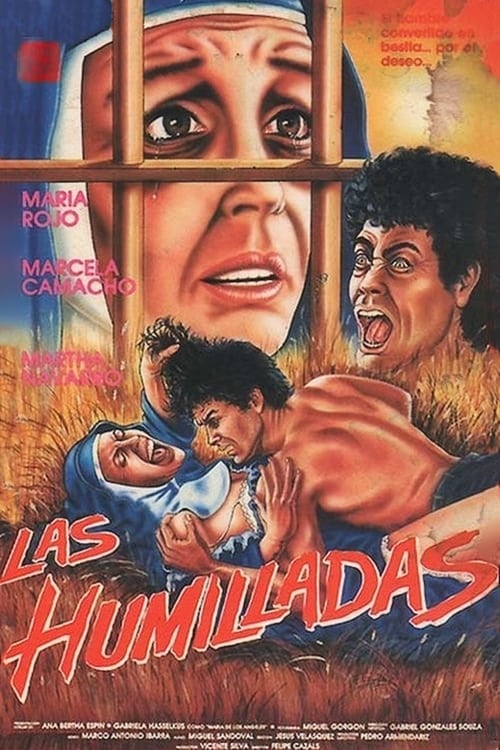
A nun is ostracized by her superiors after a brutal encounter with a rapist leaves her pregnant.
1983

1929
1984
1987
1986

1967
1976
1965
No reviews yet. Be the first to share your thoughts on this movie!
Use the rating form above to leave a star rating and optional review.