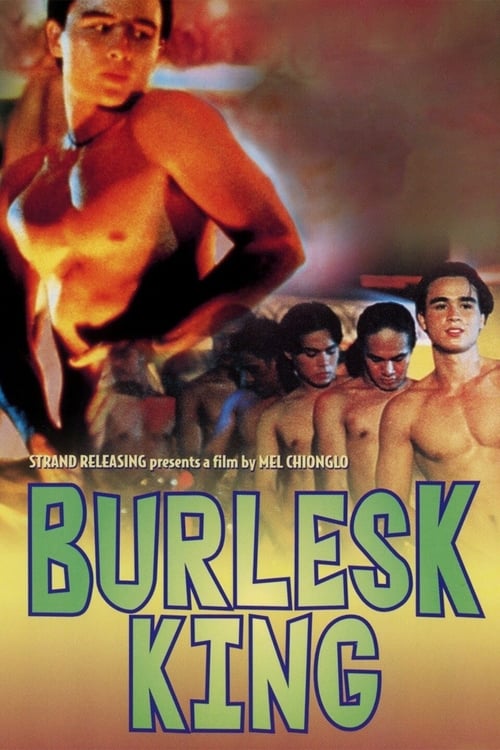
Burlesk King
1999
No user ratings available yet
Representation score: 7.1 out of 10
Representation Score
Good
1989
TV-MADirector
Lino Brocka
Runtime
136 minutes
Average Rating
No ratings yetNew Showbiz Analysis
Lino Brocka’s film offers a raw look at class and body politics in Manila. By focusing on the urban proletariat, it avoids Western stereotypes and highlights the systemic exploitation caused by global economic pressures. The film effectively challenges traditional gender roles and hierarchies, exploring how identity can become fluid within underrepresented communities. It also critiques capitalist structures and the commodification of the human body. While the film excels in cultural and racial authenticity, it lacks specific representation for disability or explicit LGBTQ+ romantic relationships. Its strength lies in its social realism and refusal to moralize the survival strategies of its characters.
Category Breakdown
The film examines the male erotic dance subculture, highlighting the fluidity of identity and masculinity. While it challenges traditional views, it doesn't have a strong focus on queer romantic relationships.
Julio navigates a hyper-masculine environment while also serving others, which challenges traditional ideas of male dominance and control.
The film centers on the lives of the Filipino urban working class in Manila, avoiding a Western perspective and focusing on the diverse, fragmented communities of the city.
The narrative critiques capitalism by showing the body as a commodity. It portrays sex work as a necessary survival tactic in a post-colonial, economically oppressive society.
The film does not prominently feature neurodivergence or physical disabilities, even though it focuses on the physical demands of labor.
Present on Screen
Limited or Absent
Official Synopsis
Pol moves to Manila for better opportunities after his American lover leaves. However, he gets drawn into the gritty world of gay prostitution and sexual slavery.
1999

1956

1985

1998
2008

1980

1976
2008
No reviews yet. Be the first to share your thoughts on this movie!
Use the rating form above to leave a star rating and optional review.