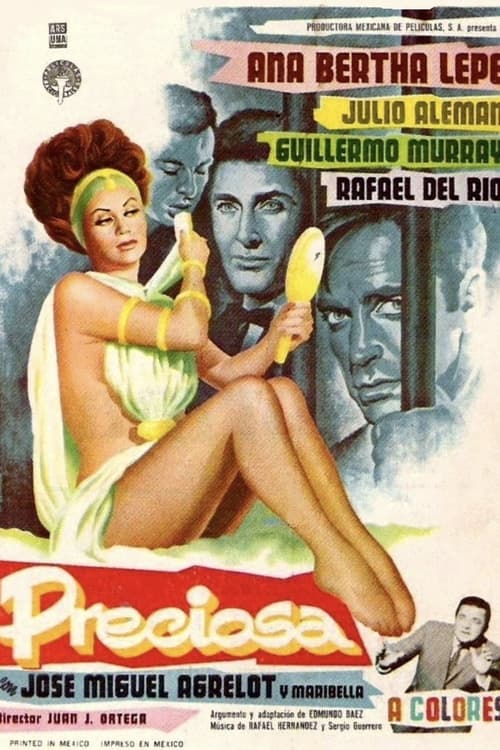
Preciosa
1965
No user ratings available yet
Representation score: 2.8 out of 10
Representation Score
Minimal
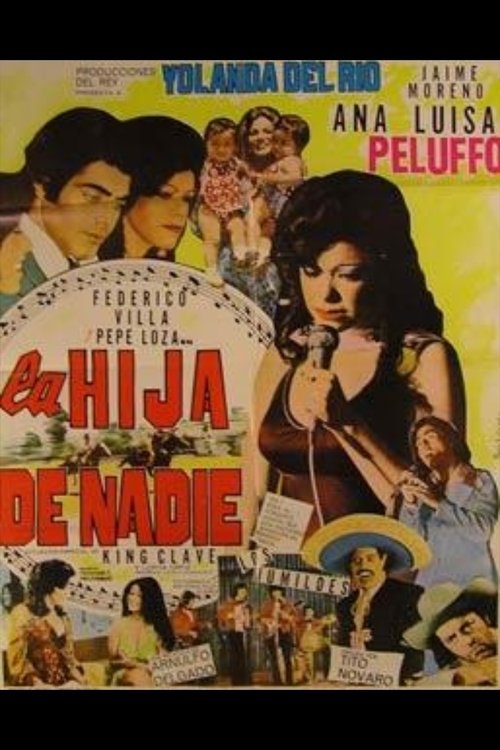
1979
TV-14Director
Tito Novaro
Runtime
95 minutes
Average Rating
No ratings yetNew Showbiz Analysis
La hija de nadie follows traditional cinematic structures from the late 1970s. While the cast includes predominantly Latin American actors, the film lacks a deeper exploration of identity and social critique. The production favors conventional melodramatic structures. Without specific details on character influence or challenging established hierarchies, the film remains rooted in the social norms of its time. Overall, the film serves as a typical romance and drama of its era. It offers ethnic representation through its cast but lacks the depth needed for a higher diversity rating.
Category Breakdown
The film does not include any characters with non-traditional gender identities or sexual orientations. There is no representation of LGBTQ+ individuals.
The female lead plays a central role in the story. However, the narrative seems to follow traditional gender roles and domestic struggles.
The cast is primarily made up of Latin American actors. However, there is no evidence of exploring multiple aspects of identity or challenging colonial power structures.
The film adheres to traditional moral and family structures typical of 1970s melodrama. It does not challenge Western institutional norms.
There is no information available about the inclusion of characters with visible or invisible disabilities.
Present on Screen
Limited or Absent
1965
1950
1980
1963
1974

1968

1960
1956
No reviews yet. Be the first to share your thoughts on this movie!
Use the rating form above to leave a star rating and optional review.