
The Earth Dies Screaming
1964
No user ratings available yet
Diversity score: 1.9 out of 10

1959
ApprovedDirector
Terence Fisher
Runtime
83 minutes
Average Rating
No ratings yetSynopsis
Dr. Bonner plans to live forever through periodic gland transplants from younger, healthier human victims. Bonner looks about 40; he's really 104 years old. But people are starting to get suspicious, and he may not make 200.
Overall Score
Limited
Category Breakdown
LGBTQ+ Representation
The film adheres to the heteronormative social structures typical of 1959. There is no evidence of LGBTQ+ characters or non-heteronormative narratives within the story.
Gender Representation
The narrative centers on a male scientist as the primary driver of agency. Female characters appear to serve as biological utility for the protagonist rather than independent actors.
Racial & Ethnic Diversity
The film reflects the homogeneous casting norms of 1950s British cinema. It maintains a Western, Anglo-centric perspective typical of the genre's historical constraints.
Religious & Cultural Diversity
The story explores the subversion of natural law through scientific transgression. It focuses on individual moral decay rather than broader institutional or anti-Western critiques.
Disability Representation
There is no evidence regarding the depiction of physical or neurodivergent disabilities in the narrative.
Strengths
Areas for Improvement
AI Analysis
This Hammer Horror classic is a product of its era, prioritizing Gothic tension and individualistic pursuit over social complexity. The narrative architecture focuses on the ethical violations of a single man seeking immortality, leaving little room for diverse perspectives. The film relies on conventional mid-century archetypes. It lacks the intersectional depth or intentional subversion of social norms found in modern cinema, instead reinforcing the period's standard social hierarchies. Ultimately, the work functions as a traditional genre piece. It explores the dark side of human ambition through a narrow, historically constrained lens.
1964

1974

1969
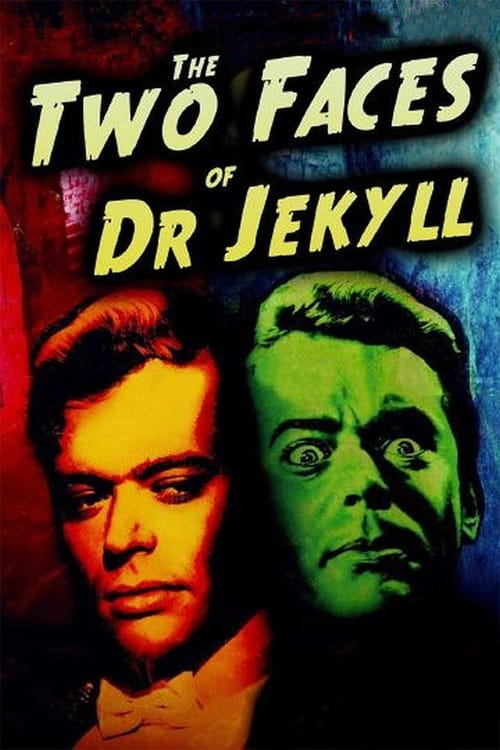
1960

1969

1941

1965

1978
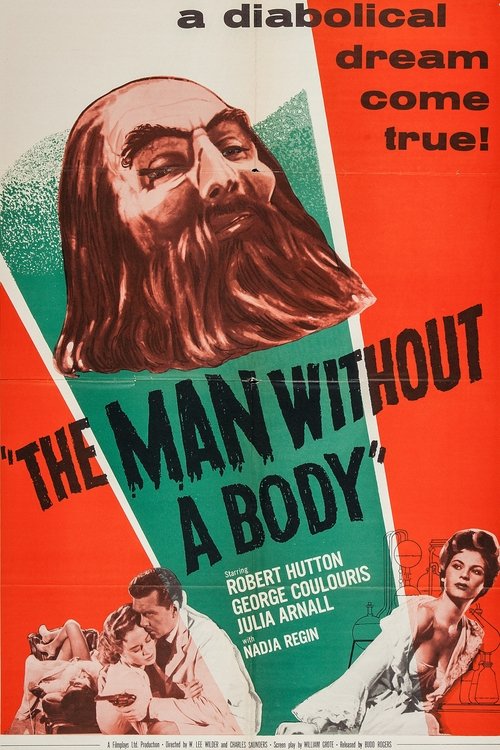
1957

1969

1989

1990
No reviews yet. Be the first to share your thoughts on this movie!
Use the rating form above to leave a star rating and optional review.