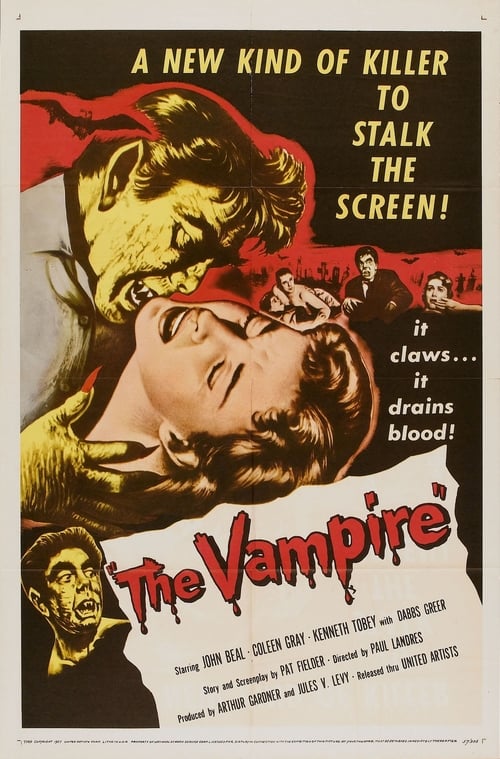
The Vampire
1957
No user ratings available yet
Representation score: 1.7 out of 10
Representation Score
Minimal
1958
ApprovedDirector
Henry Cass
Runtime
87 minutes
Average Rating
No ratings yetNew Showbiz Analysis
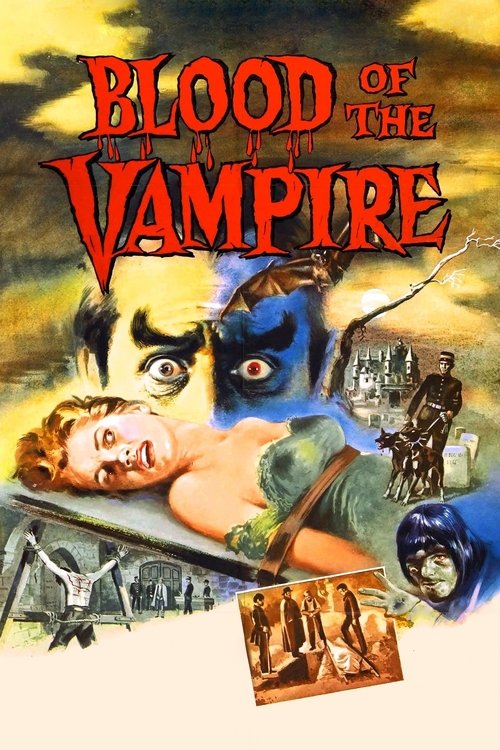
Blood of the Vampire is a typical mid-century Gothic horror film that upholds the social hierarchies of its time. The narrative revolves around male intellectual pursuits, particularly through the mad scientist archetype, while female characters are largely reactive or victims. Representation is limited and follows established period clichés. Disability is used as a tool for character subordination, and the cast lacks racial and ethnic diversity, reflecting the homogeneous production standards of 1958 British genre cinema. Ultimately, the film reinforces conventional social structures without challenging them.
Category Breakdown
There are no LGBTQ+ characters or explorations of queer relationships in the film.
Men play the key roles in the story, while women mostly react to events or serve as victims.
The cast appears ethnically uniform, with no non-Anglo-Saxon characters evident.
The story focuses on a traditional moral order and the dangers of scientific hubris, without challenging established Western institutions.
Physical disability is used as a narrative device to show subservience, rather than depicting a lived experience.
Present on Screen
Limited or Absent
Official Synopsis
A man and wife are terrorized by Mad Scientist Dr. Callistratus who was executed but has returned to life with a heart transplant. Along with his crippled assistant Carl, the 'anemic' Mad Scientist, believed to be a vampire, conducts blood deficiency research on the inmates of a prison hospital for the criminally insane to sustain his return to life.
1957

1974

1971
1969
1964
1960
1965

1958
No reviews yet. Be the first to share your thoughts on this movie!
Use the rating form above to leave a star rating and optional review.