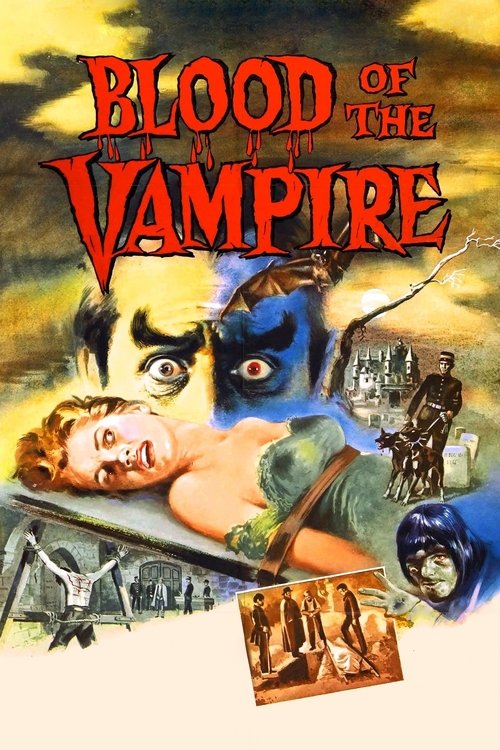
Blood of the Vampire
1958
No user ratings available yet
Representation score: 1.8 out of 10
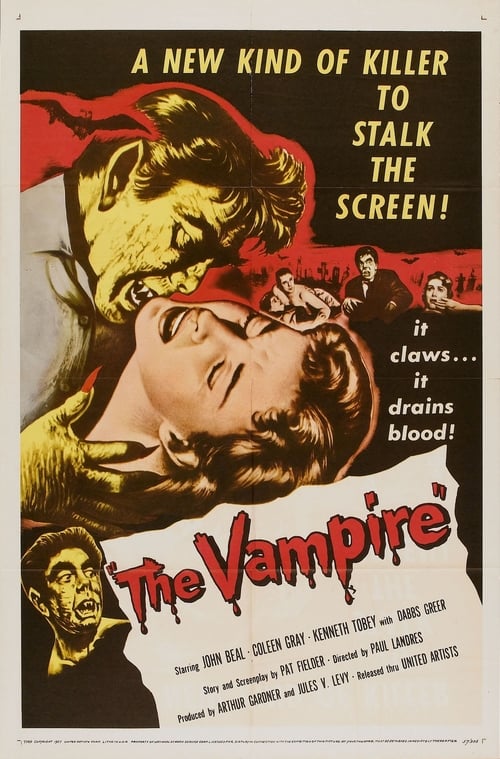
Representation Score
Minimal
1957
NRDirector
Paul Landres
Runtime
76 minutes
Average Rating
No ratings yetNew Showbiz Analysis
The Vampire is a classic example of 1950s genre filmmaking, emphasizing familiar clichés over complex social issues. It serves as a cautionary tale about unchecked science, using a black-and-white moral framework to reinforce societal norms. Representation is limited by the era's conventions. Authority and ability to act are primarily held by male characters, while the social landscape remains largely homogeneous and non-diverse. Ultimately, the film reinforces established norms rather than challenging them. It uses biological instability as a source of horror rather than exploring nuanced themes of identity or difference.
Category Breakdown
The film does not feature any LGBTQ+ characters or narratives. Character interactions follow strict heterosexual norms typical of the 1950s.
The narrative focuses on the male doctor, who holds most of the ability to act. Female characters play supporting roles, reacting to events rather than driving the plot.
The cast is predominantly white. There are no characters of color with significant roles or influence.
The story upholds traditional moral views and emphasizes the stability of the status quo. Scientific deviations are portrayed as catastrophic failures.
Physical changes are depicted through horror and fear. Loss of bodily autonomy is shown as a biological anomaly to be feared.
Present on Screen
Limited or Absent
Official Synopsis
A small town doctor mistakenly ingests an experimental drug made from the blood of vampire bats which transforms the kindly medic into a bloodthirsty monster.
1958
1960
1958
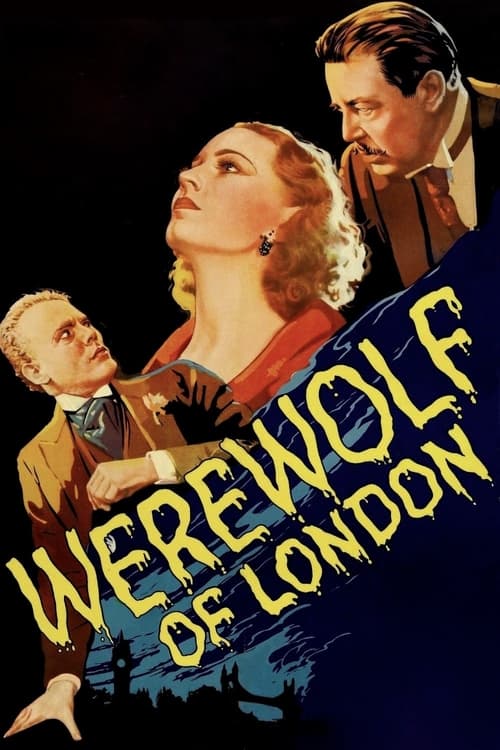
1935
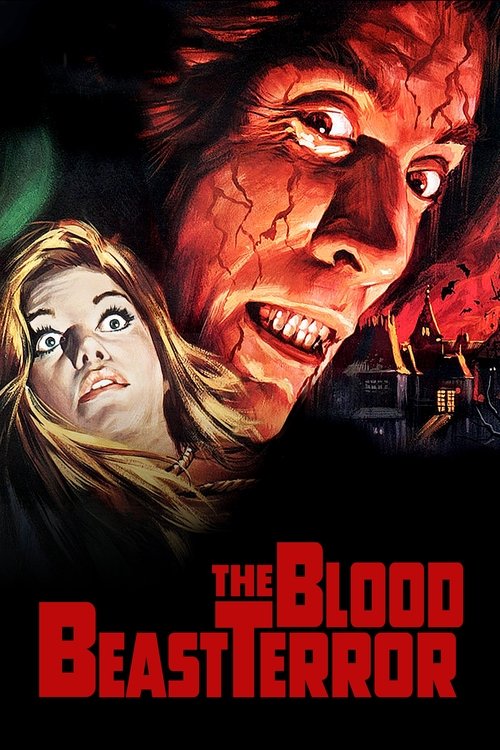
1968
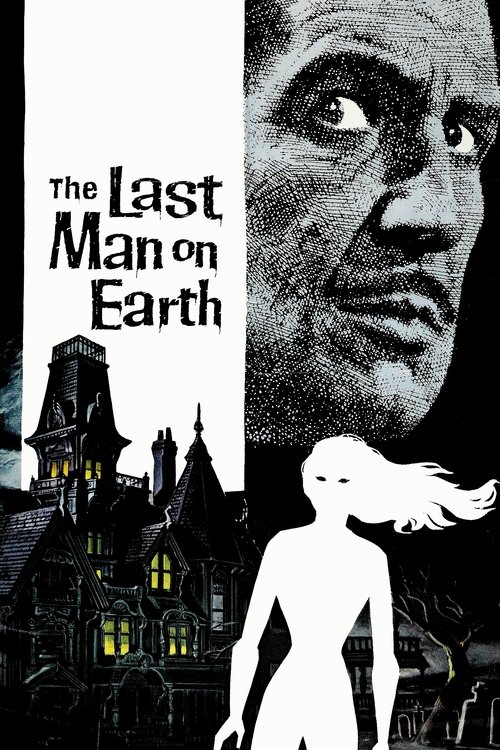
1964

1957
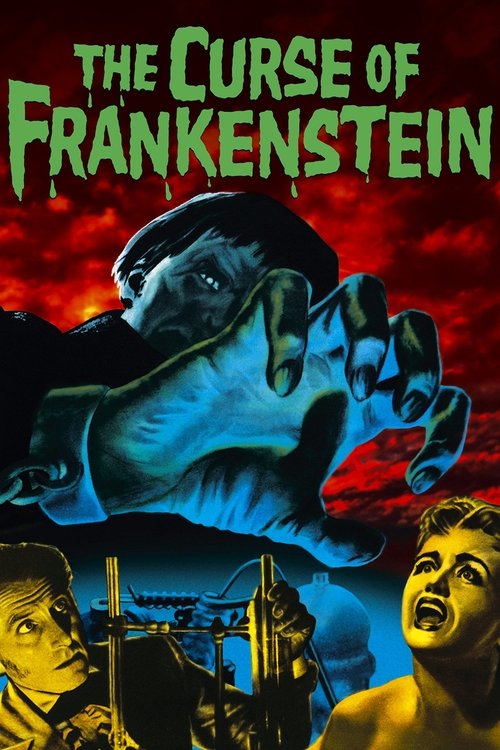
1957
No reviews yet. Be the first to share your thoughts on this movie!
Use the rating form above to leave a star rating and optional review.