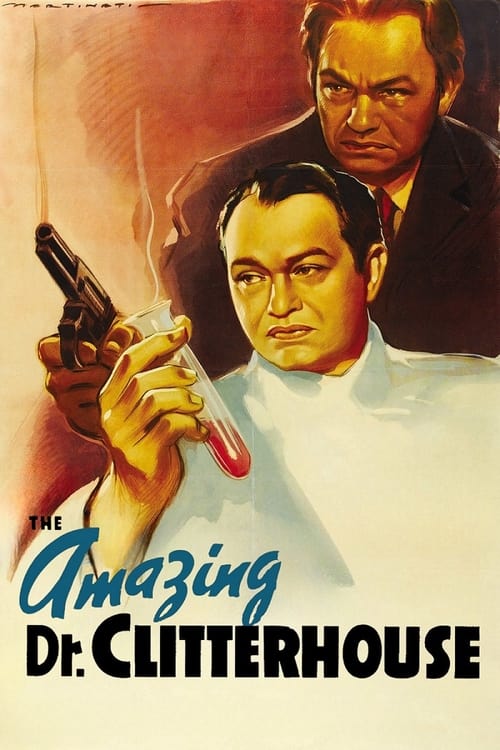
The Amazing Dr. Clitterhouse
1938
No user ratings available yet
Diversity score: 3.7 out of 10

1933
PassedDirector
Ray Enright
Runtime
68 minutes
Average Rating
No ratings yetSynopsis
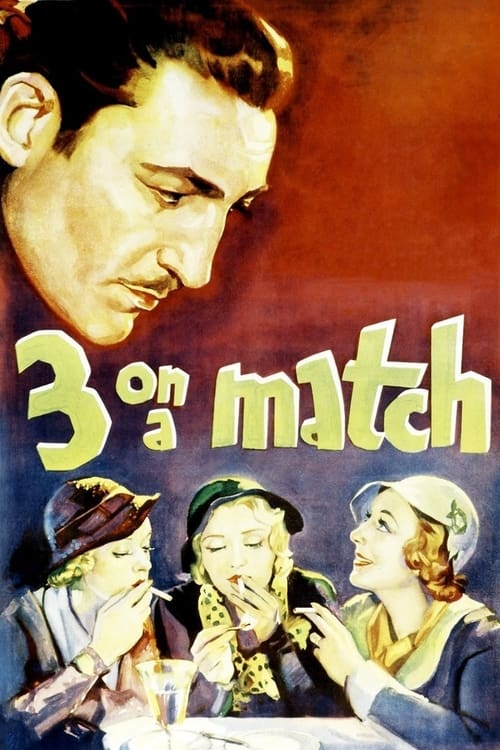
A Depression-downtrodden waif uses her brains instead of her body to rise from tyro con artist to crime boss.
Overall Score
Fair
Category Breakdown
LGBTQ+ Representation
The film lacks any visible non-cisnormative gender identities or same-sex intimacy. The narrative focuses strictly on heterosexual romantic dynamics and survival within a patriarchal criminal structure.
Gender Representation
Blondie disrupts 1930s hierarchies by using intellect and strategy to rise within a male-dominated underworld. She serves as a competent, primary driver of the plot rather than a submissive figure.
Racial & Ethnic Diversity
The cast reflects the homogeneous urban demographics typical of early 1930s studio productions. There is no evidence of significant racial blending or color-blind casting in the character arcs.
Religious & Cultural Diversity
The story explores moral relativism by framing crime as a pragmatic response to Depression-era socioeconomic pressures. It portrays the underworld as a space where individual agency outweighs legal institutions.
Disability Representation
There is no evidence of characters with visible or invisible disabilities being integrated into the narrative or used as meaningful character elements.
Strengths
Areas for Improvement
AI Analysis
Blondie Johnson stands out as a pre-Code subversion of gender norms, centering a woman's professional competence in a masculine sphere. The protagonist's ascent through merit and intellect provides a compelling disruption of standard 1930s expectations. However, the film lacks intersectional breadth. It offers almost no representation for LGBTQ+ individuals or people with disabilities, and the racial landscape remains homogeneous and typical of the era's studio filmmaking. Ultimately, the film's strength lies in its skeptical stance toward traditional social structures and its portrayal of female agency, even as it remains limited in its broader demographic diversity.
1938
1970
1943

1933
1932
1936

1942
1933
1950
1937

1948

1934
No reviews yet. Be the first to share your thoughts on this movie!
Use the rating form above to leave a star rating and optional review.