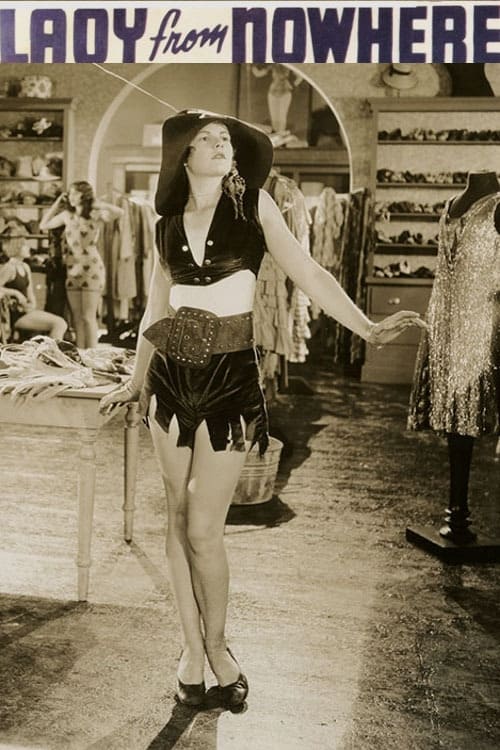
The Lady from Nowhere
1931
No user ratings available yet
Representation score: 0.6 out of 10
Representation Score
Limited
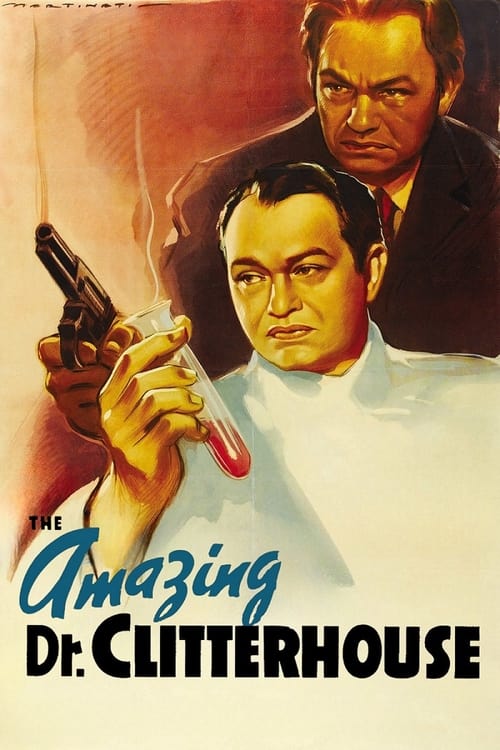
1938
ApprovedDirector
Anatole Litvak
Runtime
87 minutes
Average Rating
No ratings yetNew Showbiz Analysis
The film presents a striking contrast between its limited demographic scope and its complex character development. While it fails to offer racial or LGBTQ+ diversity, it excels in presenting a sophisticated female lead who operates who play a significant role in driving the story. The narrative's strength lies in its subversion of 1930s gender norms and its exploration of situational ethics. However, the lack of characters who reflect more than one aspect of diversity and the homogeneous social setting keeps the overall score low.
Category Breakdown
The film lacks any LGBTQ+ characters. Social dynamics remain focused on traditional romantic and power-based relationships of the 1930s.
Claudette Colbert's protagonist challenges the conventional gender roles as a highly intelligent and independent woman. She uses her intelligence and social skills to navigate male-dominated power structures, subverting the typical damsel-in-distress archetype.
The setting reflects the homogeneous, upper-class society of the era. There is no indication of racial blending or non-white majority casting within this glamorous, high-society environment.
The narrative embraces moral relativism by framing criminal behavior as a means for intellectual pursuit. While it questions moral absolutes, it does not explicitly critique Western institutions.
There are no prominent depictions of visible or invisible disabilities within the character details provided.
Present on Screen
Limited or Absent
Official Synopsis
A wealthy society doctor decides to research the medical aspects of criminal behaviour by becoming one himself. He joins a gang of thieves and proceeds to wrest leadership of the gang away from its extremely resentful leader.
1931

1959
1938
1960

1935
1964
1934

1941
No reviews yet. Be the first to share your thoughts on this movie!
Use the rating form above to leave a star rating and optional review.