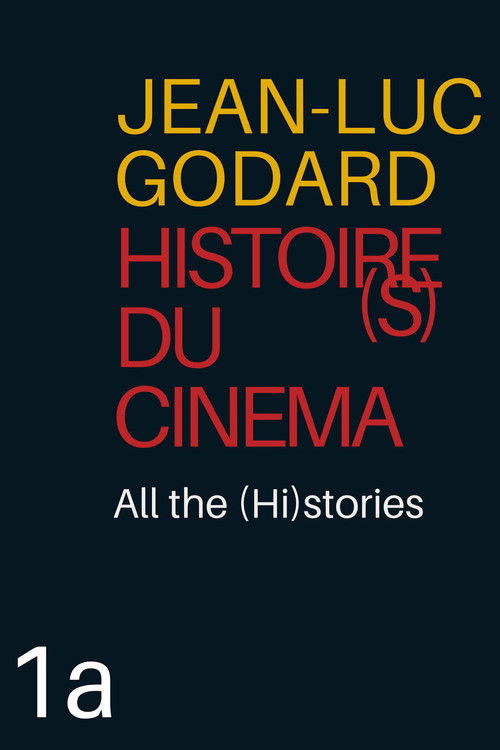
Histoire(s) du Cinéma 1a: All the (Hi)stories
1989
No user ratings available yet
Representation score: 9.3 out of 10
Representation Score
Excellent
1989
Director
Jean-Luc Godard
Runtime
42 minutes
Average Rating
No ratings yetNew Showbiz Analysis
Godard’s monumental collage serves as a critical examination of how media shapes identity and power. Instead of adhering to a conventional narrative, the film employs a postmodernist montage to dismantle the structures—such as capitalism, colonialism, and patriarchy—that cinema has traditionally supported. The work stands out for its intellectual exploration of Western institutions and its ability to present a fragmented, globalized view of history. However, the non-narrative, essayistic nature of the film restricts the ability to act of certain groups. While diverse identities are present in the archive, they often lack the individual character development typical of traditional cinema.
Category Breakdown
The film incorporates archival fragments that explore non-straight relationships and identities. Although it doesn't have a central queer protagonist, the montage disrupts traditional historical narratives by integrating various visual identities.
The film critiques the construction of gendered images throughout history. By challenging traditional masculine leadership and Hollywood clichés, it portrays gender as a fluid, constructed element of the medium.
The work employs a post-colonial structure, contrasting Western achievements with colonial history. It challenges Anglo-Saxon dominance by highlighting global struggles and diverse ethnic identities through international archives.
The film uses a postmodernist framework to critique capitalism, religion, and patriotism. It questions singular truths in favor of a fragmented, subjective understanding of history and power.
Disability is shown as part of the historical landscape within archival footage. While the film avoids 'inspiration porn,' the non-narrative format lacks characters with specific, ability to act-driven disability narratives.
Present on Screen
Limited or Absent
Official Synopsis
A very personal look at the history of cinema directed, written and edited by Jean-Luc Godard in his Swiss residence in Rolle for ten years (1988-98); a monumental collage, constructed from film fragments, texts and quotations, photos and paintings, music and sound, and diverse readings; a critical, beautiful and melancholic vision of cinematographic art.
1989
1983
2006
2008
2006

2004
2006
2006
No reviews yet. Be the first to share your thoughts on this movie!
Use the rating form above to leave a star rating and optional review.