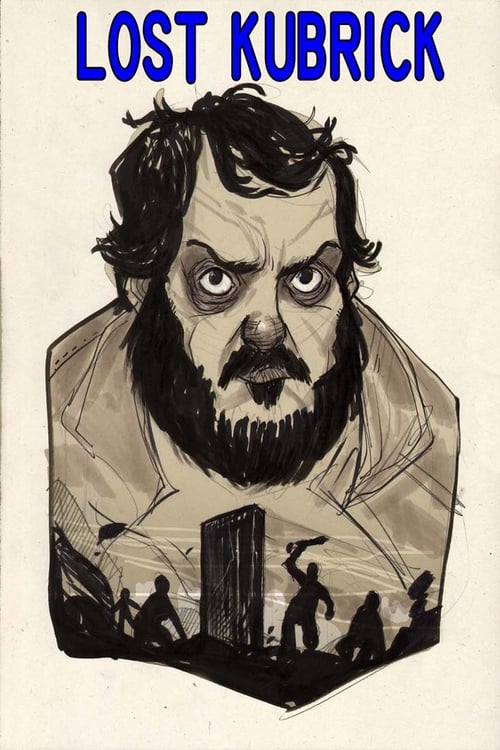
Lost Kubrick: The Unfinished Films of Stanley Kubrick
2007
No user ratings available yet
Diversity score: 2.3 out of 10

1965
TV-PGDirector
John Spotton
Runtime
55 minutes
Average Rating
No ratings yetSynopsis
In the fall of 1964, just over a year before his death, Buster Keaton traveled to Canada to make The Railrodder, a short subject that now enjoys a small cult following. Documenting this mobile production in fascinating and unexpected detail, Buster Keaton Rides Again offers a rare glimpse of the comedy legend’s temperament, philosophies, hobbies, marriage (his third), and the occasionally combative creative process behind the scenes. An intimate look at one of cinema’s most enduring legends.
Overall Score
Minimal
Category Breakdown
LGBTQ+ Representation
The documentary focuses on Keaton’s personal life and his third marriage. It contains no evidence of non-cisnormative identities or narratives that critique heteronormativity.
Gender Representation
The film explores Keaton’s marriage and personal temperament. It centers on patriarchal professional structures without subverting gender hierarchies or portraying traditional masculinity as inept.
Racial & Ethnic Diversity
As a biographical study of a Western cinematic legend, the film reflects the demographic homogeneity of its era. There is no evidence of diverse ensemble dynamics.
Religious & Cultural Diversity
The film operates within a traditional biographical framework celebrating a Western icon. It documents professional hobbies and creative processes rather than anti-institutional narratives.
Disability Representation
The documentary explores Keaton’s temperament and personal life. However, it lacks specific evidence regarding the portrayal of neurodivergence or physical disability as a central driver.
Strengths
Areas for Improvement
AI Analysis
Buster Keaton Rides Again serves as a historical biographical document focused on the final creative period of a singular comedy icon. Because the narrative is structured around Keaton’s personal philosophies and the production of The Railrodder, it lacks the machinery to engage with systemic character-driven representation. The film adheres to traditional biographical structures, prioritizing archival preservation and the documentation of a legendary figure's temperament. Consequently, it does not attempt to disrupt conventional social or identity-based hierarchies. Ultimately, the work functions as an intimate look at a specific historical individual rather than a vehicle for exploring diverse social identities or subverting mid-century norms.
2007
2016
1936
2001
1950
1989
1968
1951
1963
1998
1982

2004
No reviews yet. Be the first to share your thoughts on this movie!
Use the rating form above to leave a star rating and optional review.