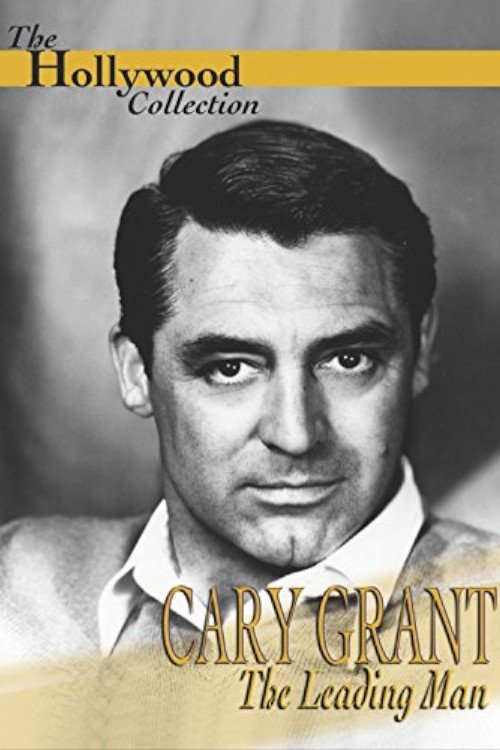
Cary Grant: A Celebration of a Leading Man
1988
No user ratings available yet
Representation score: 1.3 out of 10
Representation Score
Minimal
1968
GRuntime
52 minutes
Average Rating
No ratings yetNew Showbiz Analysis
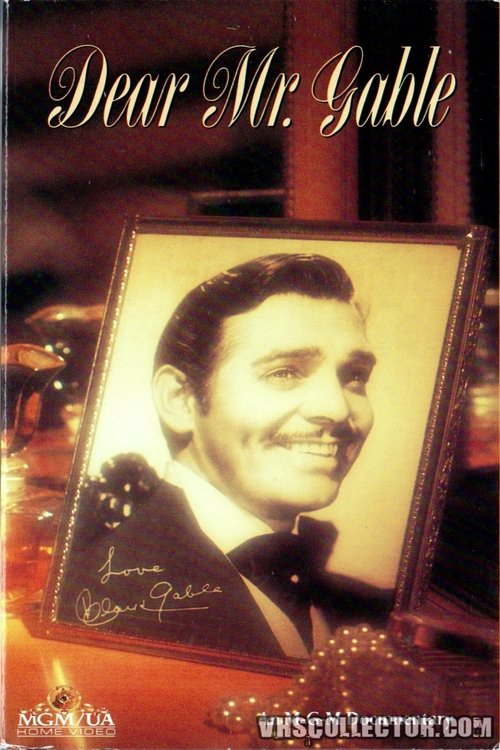
Dear Mr. Gable is a traditional biographical documentary that prioritizes the legacy of a singular, dominant cultural figure. Produced by MGM in 1968, it adheres to the celebratory frameworks typical of the era, focusing on the career and personal milestones of Clark Gable. The film lacks complexity in its representation of multiple aspects of identity, instead reinforcing the social hierarchies and demographic homogeneity of the mid-20th century studio system. The narrative structure is built around a patriarchal viewpoint, centering on a white male icon and his conventional romantic history. Ultimately, the documentary serves as a reverent look at Hollywood history, emphasizing established institutional values rather than providing a diverse or critical perspective on the era's social structures.
Category Breakdown
The documentary focuses on Clark Gable's conventional romantic life and his marriage to Carole Lombard. It offers no representation of non-straight identities or critiques of the assumption that everyone is straight.
The narrative centers on a male icon, framing women primarily through their relationships with him. Even significant figures like Lombard are viewed through a patriarchal lens.
The film reflects the demographic homogeneity of the 1968 studio system. It focuses on a white Hollywood legend without including perspectives from people of other races.
This retrospective celebrates traditional Western notions of stardom and legacy. It reinforces the values of Hollywood's Golden Age rather than offering cultural critique.
There is no information available regarding the portrayal of individuals with disabilities in this documentary.
Present on Screen
Limited or Absent
Official Synopsis
Burgess Meredith narrates this insightful MGM-produced documentary about the life and career of Hollywood legend Clark Gable, from his childhood in Ohio, to his star status in Hollywood, and to his romantic life off-screen, including his marriage to Carole Lombard. The film incorporates classic film footage of Gable with interviews of people from his past, including an old classmate from his school days, a former sweetheart, and his press agent. Another treat is the rare home movie footage of Gable and Lombard on a camping trip.
1988
2015
2005
1992
2017
2004

1987
1966
No reviews yet. Be the first to share your thoughts on this movie!
Use the rating form above to leave a star rating and optional review.