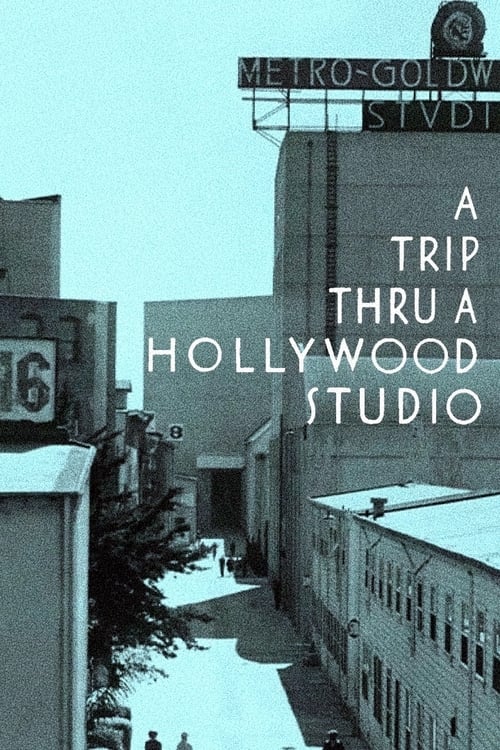
A Trip Thru a Hollywood Studio
1935
No user ratings available yet
Representation score: 0.3 out of 10

Representation Score
Minimal
1951
ApprovedDirector
Richard L. Bare
Runtime
9 minutes
Average Rating
No ratings yetNew Showbiz Analysis
Screen Director serves as a technical guide to the mid-century Hollywood studio system. It aims to explain the filmmaking process through a procedural lens, emphasizing hierarchy and organized labor. Since the film’s goal is to affirm established industrial norms, it does not aim to challenge social structures. The representation reflects the systemic constraints and traditional professional hierarchies of 1951. As a result, the film does not intentionally address demographic diversity, presenting a standardized view of production that aligns with the era’s social landscape.
Category Breakdown
The film does not include any LGBTQ+ characters or stories. It follows the assumption that everyone is straight or cisgender, typical of the 1951 studio era.
Women play roles such as actors and wardrobe designers. However, leadership and control remain centered around male directors and producers.
The cast and crew are reflective of the homogeneous demographics of the early 1950s. There is no indication of significant non-white involvement in technical roles.
The documentary highlights Western industrial professionalism and the capitalist structure of the studio system. It does not question these established institutions.
There is no mention of characters or crew members dealing with visible or invisible disabilities. The focus remains solely on the professional aspects of filmmaking.
Present on Screen
Limited or Absent
Official Synopsis
A behind-the-scenes look at all the responsibilities (and headaches) a director assumes when making a motion picture.
1935

2004
1940

2015
1958

1927
1925
1935
No reviews yet. Be the first to share your thoughts on this movie!
Use the rating form above to leave a star rating and optional review.