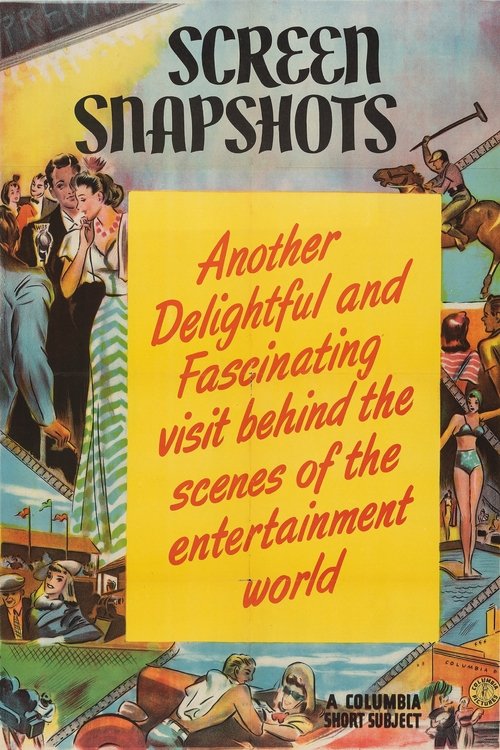
Screen Snapshots: Series 16, No. 12
1937
No user ratings available yet
Representation score: 0.3 out of 10
Representation Score
Minimal
1936
ApprovedDirector
Ralph Staub
Runtime
10 minutes
Average Rating
No ratings yetNew Showbiz Analysis
This newsreel-style documentary provides a glimpse into the private lives of Hollywood figures. It serves as a historical artifact of celebrity culture rather than a scripted narrative with character development. The film does not have the structure to engage in intentional social commentary. Instead, it documents the existing social hierarchies and demographic compositions of the 1936 Hollywood elite without attempting to disrupt them. Ultimately, the work mirrors the status quo of its era, reflecting the homogeneous demographic standards of the mid-1930s.
Category Breakdown
The footage includes brief, observational clips of Hollywood celebrities. There are no depictions of non-traditional gender identities or same-sex relationships.
Prominent female figures like Bette Davis are featured. However, the footage adheres to traditional mid-century representations of femininity through portraits and social club visits.
Subjects like Ken Maynard and Bette Davis represent the dominant Anglo-Saxon casting trends of the studio era. The film lacks significant racial blending or non-white representation.
The film celebrates Western celebrity culture and the prestige of Hollywood institutions. It reinforces traditional social structures without challenging them.
The footage focuses on able-bodied celebrities in active social environments. There is no visible representation of physical or neurodivergent identities.
Present on Screen
Limited or Absent
Official Synopsis
Viewers are provided a visit to Ken Maynard's private circus; Bette Davis poses for her portrait; Frank McHugh plays with his children; a visit to the West Side Tennis Club affords glimpses of many stars.
1937

1938
1939

1935

1949
1938

1945

1935
No reviews yet. Be the first to share your thoughts on this movie!
Use the rating form above to leave a star rating and optional review.