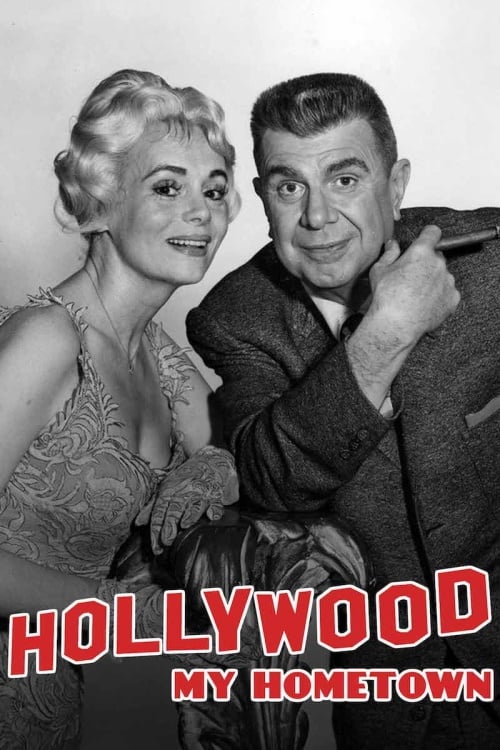
Hollywood My Home Town
1965
No user ratings available yet
Representation score: 1.9 out of 10
Representation Score
Minimal
1963
NRDirector
Loring d'Usseau, Rudy Behlmer
Runtime
50 minutes
Average Rating
No ratings yetNew Showbiz Analysis
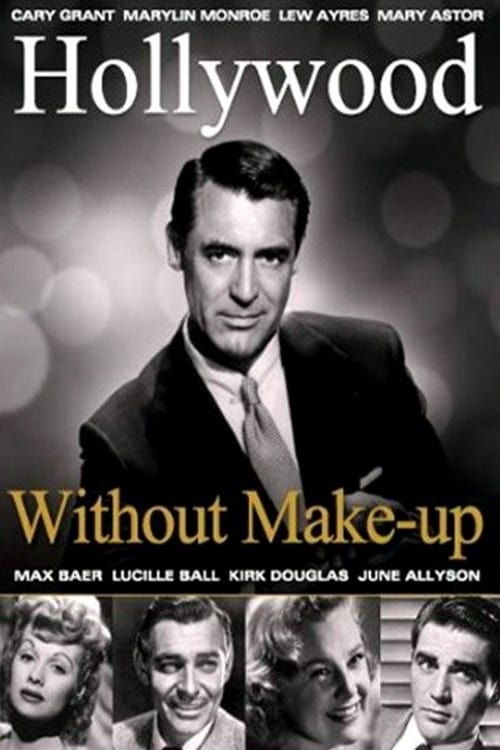
Hollywood Without Make-Up serves as a technical and historical survey of the Golden Age rather than a narrative film. Because it relies on archival footage and home movies, it lacks the scripted structure necessary to explore complex character arcs or social issues. The documentary reflects the era's traditional hierarchies and demographic constraints without attempting to critique or disrupt them. Ultimately, the film preserves the industry mechanics of its time.
Category Breakdown
The documentary focuses on technical production processes and makeup evolution. It contains no evidence of LGBTQ+ characters or non-cisgender identities.
The film captures the traditional gender hierarchies of the studio system era. While women are visible in makeup and production roles, the depictions remain observational.
The archival footage reflects the homogeneous casting practices typical of the Golden Age. There is no evidence of actively leading characters of color or diverse representation.
The film maintains a neutral, technical stance on historical industry achievements. It does not engage in the deconstruction of traditional Western institutions or capitalism.
The footage focuses strictly on the aesthetics of stardom and technical production. There is no evidence of characters with disabilities portrayed with ability to act.
Present on Screen
Limited or Absent
Official Synopsis
A collection of behind the scenes and home movies from the golden age of Hollywood.
1965
1995
1953

2016
1967
1935
1996
2002
No reviews yet. Be the first to share your thoughts on this movie!
Use the rating form above to leave a star rating and optional review.