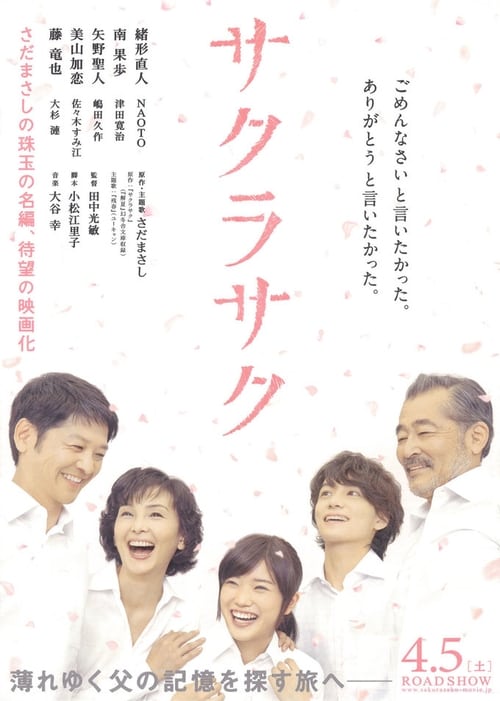
Blossoms Bloom
2014
No user ratings available yet
Representation score: 6.7 out of 10
Representation Score
Excellent
2012
Director
Masato Harada
Runtime
119 minutes
Average Rating
No ratings yetNew Showbiz Analysis
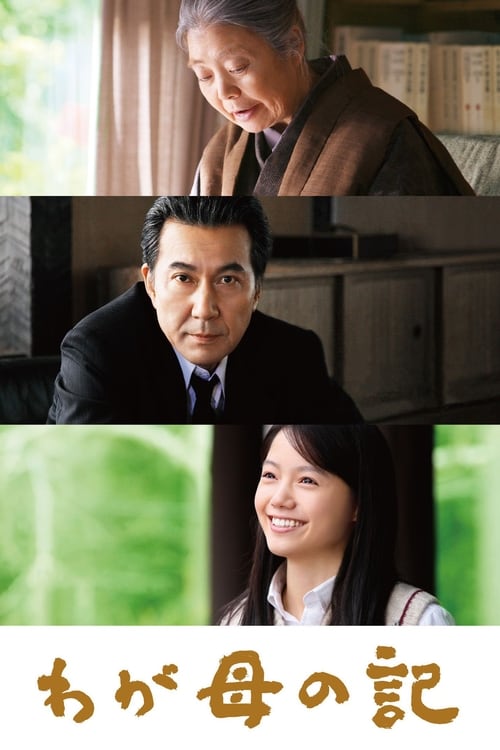
Chronicle of My Mother is a sophisticated character study that avoids the typical clichés of family dramas. It excels by portraying complex, flawed individuals rather than idealized figures. The film’s strength lies in its challenge to traditional gender roles and its nuanced portrayal of dementia. It handles dementia with dignity and a focus on real-life experiences. However, the narrative remains narrow, focusing on a homogeneous Japanese family unit and lacking representation of LGBTQ+ identities or diverse ethnic backgrounds.
Category Breakdown
The film centers on traditional family structures and biological mothers, lacking characters who identify outside of the cisgender norm.
The narrative challenges traditional gender roles by highlighting the independence and intelligence of women. It presents a woman defined by her own choices rather than by domestic duties.
The cast primarily represents Japanese culture, offering a deep, localized portrayal of Japanese identity. However, it lacks diverse ethnic representation, focusing on a single cultural background.
The film dismantles idealized family narratives, showing relationships marked by resentment and moral complexity. It emphasizes personal truth over strict social or religious norms.
Dementia plays a key role in character development, avoiding simplistic storytelling. The film portrays cognitive decline with dignity, focusing on the real-life experiences of those affected.
Present on Screen
Limited or Absent
Official Synopsis
Best-selling novelist Kosaku Igami has made a career out of using his family as fodder for his novels, much to their dismay. When his mother, the spirited family matriarch, is diagnosed with dementia, Igami must come to terms with the toll his own behavior has taken on his increasingly distant family and resolve his own long-simmering resentments. Evocative of classic Ozu, this gorgeously wrought epic family portrait explores the tenderness and trappings of familial bonds.
2014

2016
2022

2008
2020
2018

2005
2017
No reviews yet. Be the first to share your thoughts on this movie!
Use the rating form above to leave a star rating and optional review.