
Sammy and Rosie Get Laid
1987
No user ratings available yet
Diversity score: 5.6 out of 10

1970
Director
Satyajit Ray
Runtime
117 minutes
Average Rating
No ratings yetSynopsis
Four friends from Calcutta who have very different personalities make a holiday excursion into the country, to a tiny village in the state of Bihar where they set themselves up in a bungalow. A series of minor events, all connected to their respective reactions to their new environment, reveals their characters more deeply.
Overall Score
Fair
Category Breakdown
LGBTQ+ Representation
The film explores desire and loneliness through four urban men. While it avoids reductive stereotypes, it does not explicitly center on queer identities or non-cisnormative subplots.
Gender Representation
The narrative focuses on a male ensemble, with women often appearing as catalysts for character shifts. It avoids traditional tropes by highlighting the emotional instability of its male protagonists.
Racial & Ethnic Diversity
The film centers an Indian cast, avoiding Western-centric exoticism. It uses the contrast between Calcutta and rural Bihar to explore regional identity and local social structures.
Religious & Cultural Diversity
The story challenges the perceived superiority of Westernized urban lifestyles. It uses a rural setting to deconstruct social etiquette and the friction of class expectations.
Disability Representation
There is no central depiction of physical or neurodivergent disability. Instead, the film focuses on psychological states like alienation and social anxiety to drive character agency.
Strengths
Areas for Improvement
AI Analysis
Satyajit Ray’s film is a sophisticated study of the human condition that moves beyond simple travelogue tropes. It succeeds by critiquing urban hegemony and embracing moral ambiguity rather than relying on explicit identity politics. The work excels in its cultural authenticity and its ability to deconstruct social hierarchies. By placing urban intellectuals in a rural landscape, the film highlights the tension between individual desires and collective social fabrics. However, the film remains limited in its explicit representation of LGBTQ+ identities and disability. It functions primarily within a mid-century framework that prioritizes psychological subtext over overt identity-based narratives.
1987

2014

2003

1980

2000
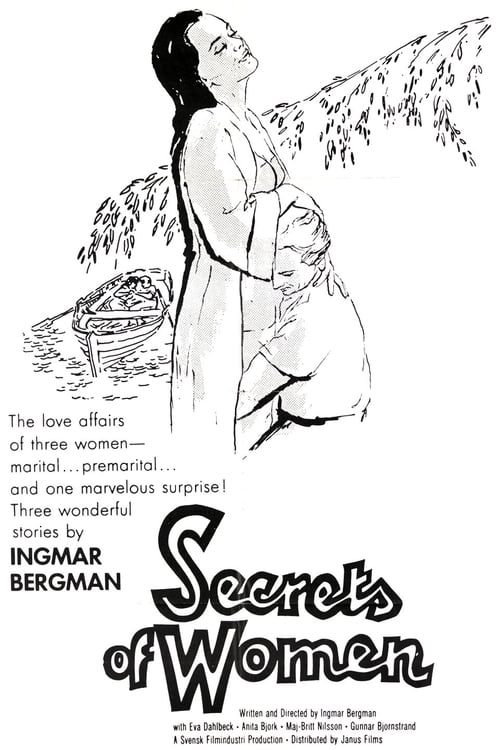
1952
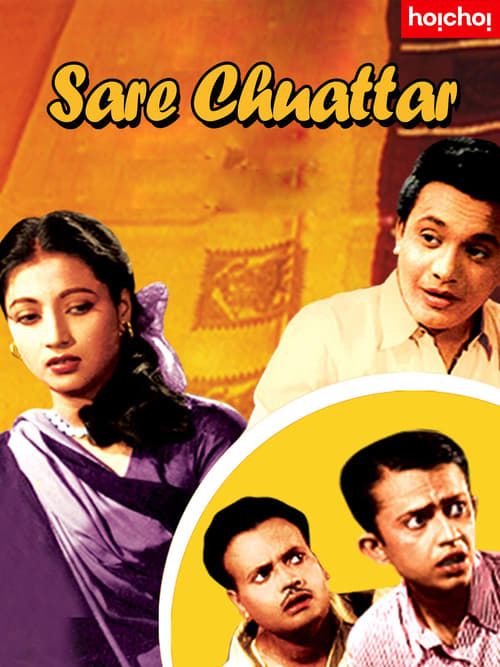
1953

2011

1962
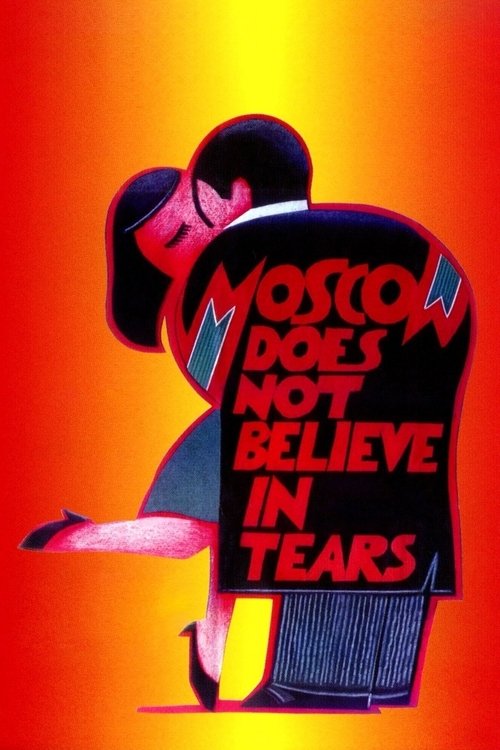
1980

1994

1990
No reviews yet. Be the first to share your thoughts on this movie!
Use the rating form above to leave a star rating and optional review.