Red Silk
1999
No user ratings available yet
Representation score: 4.9 out of 10
Representation Score
Fair
1975
Director
Claude Makovski, Nelly Kaplan
Runtime
105 minutes
Average Rating
No ratings yetNew Showbiz Analysis
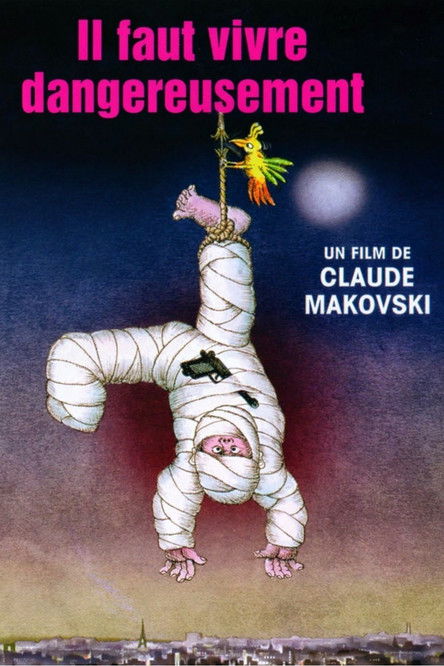
One Must Live Dangerously stands out for its subversion of traditional gender roles, driven by Nelly Kaplan’s aim to challenge bourgeois conventions. Female protagonists are given significant narrative ability to act, actively resisting patriarchal expectations and domesticity. However, the film’s historical and geographic context limits its representation of racial and LGBTQ+ diversity, which remains rooted in a white, straight-centered French setting. Ultimately, the film critiques conservative social orders while focusing on rebellion against restrictive institutions.
Category Breakdown
The film emphasizes heterosexual liberation and empowerment within romantic relationships. It does not include explicit representations of LGBTQ+ narratives or non-binary gender identities.
The narrative excels at overturning traditional gender hierarchies by focusing on female protagonists who reject submissive roles and act as agents of social change.
The cast is predominantly white and European, reflecting the film's 1975 French setting. There is no indication of diverse ethnic backgrounds among the actors.
The film provides a nuanced critique of traditional Western institutions and social norms. It portrays the rejection of communal norms as a form of personal liberation.
There are no prominent depictions of physical or cognitive disabilities that serve as central plot drivers or character studies.
Present on Screen
Limited or Absent
Official Synopsis
Richard is a private detective. He makes a good money from marital infidelity: the deceived husband and wife generously paid him for proof of their infidelity "halves"...
1999
1969
1977
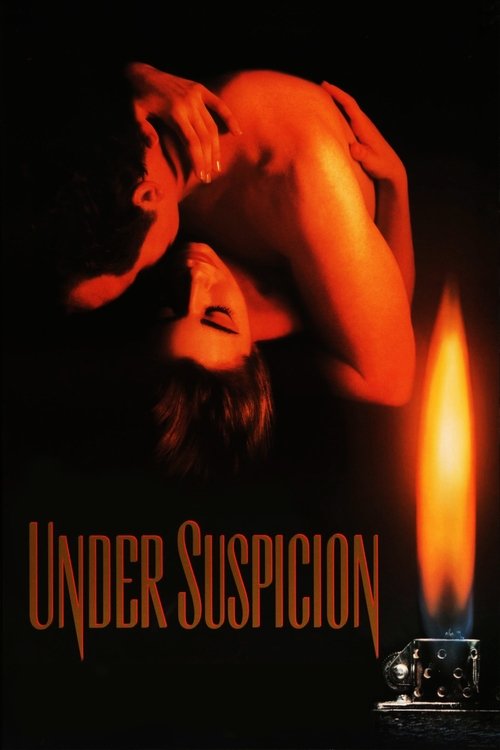
1991
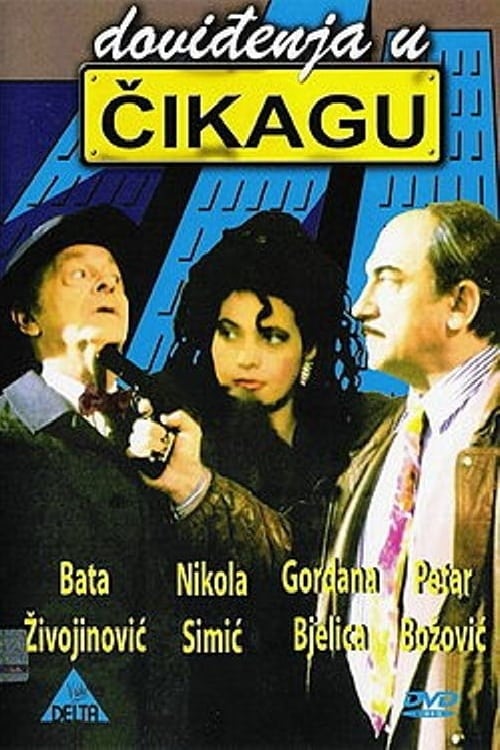
1996
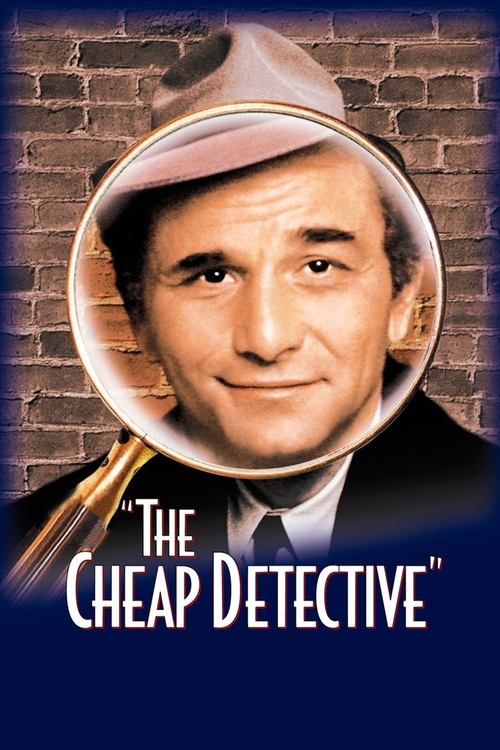
1978
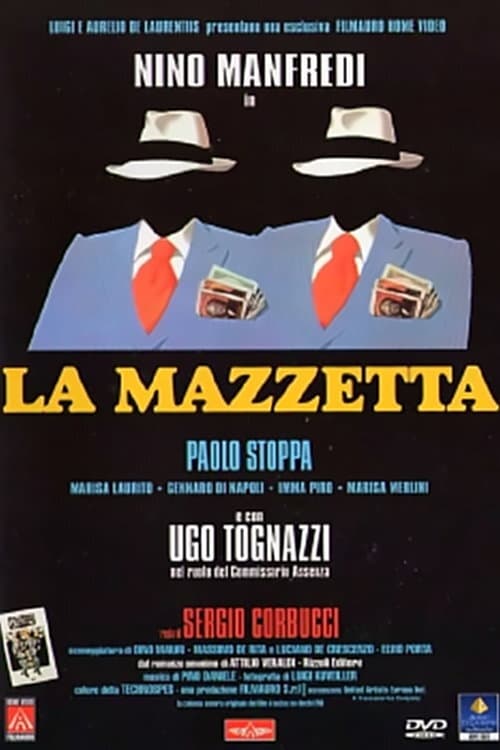
1978
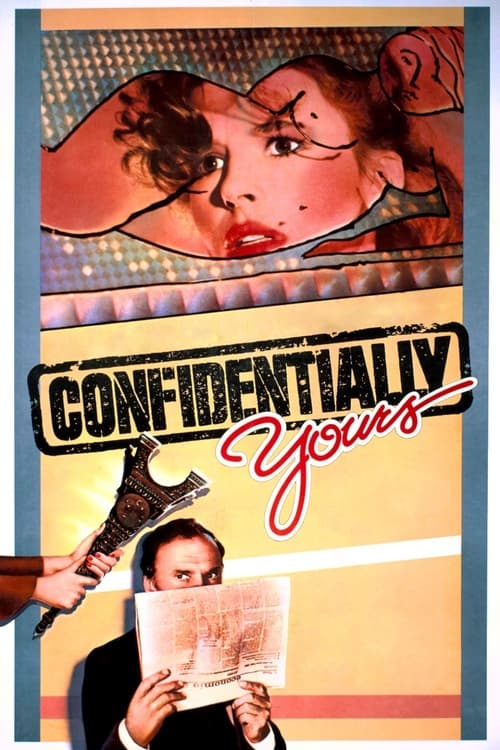
1983
No reviews yet. Be the first to share your thoughts on this movie!
Use the rating form above to leave a star rating and optional review.