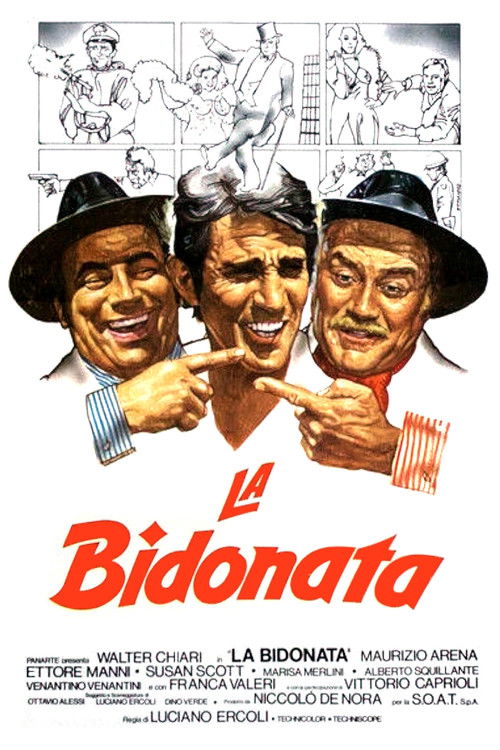
The Rip-Off
1977
No user ratings available yet
Diversity score: 3.1 out of 10
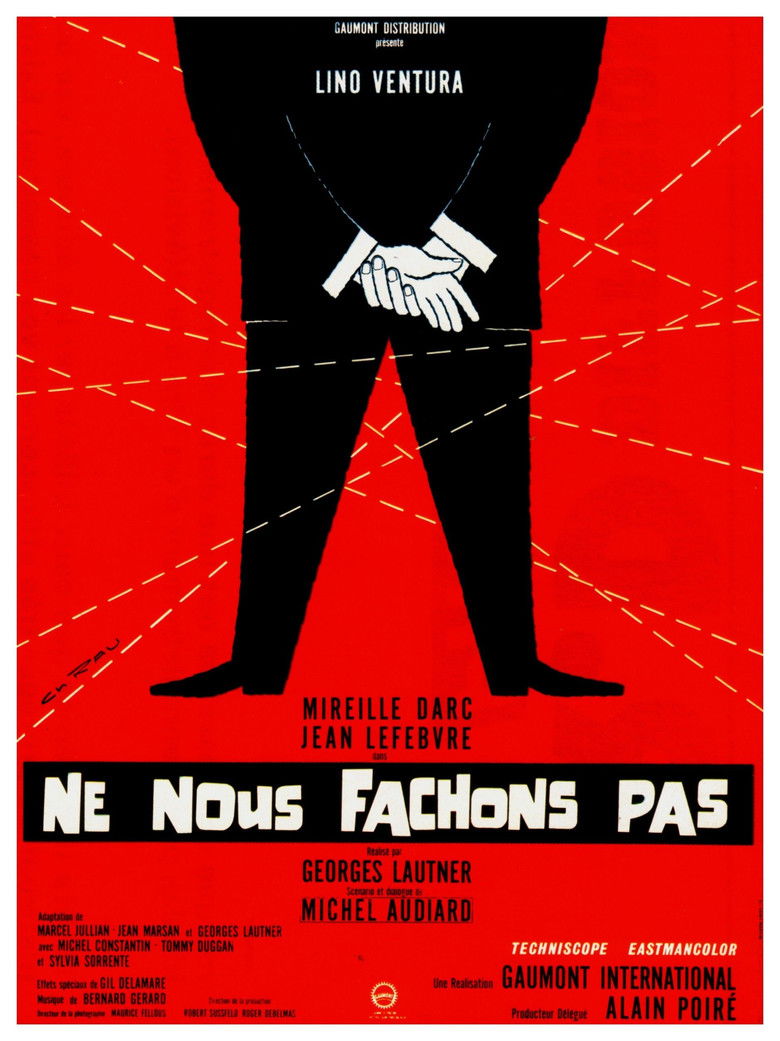
1966
Director
Georges Lautner
Runtime
100 minutes
Average Rating
No ratings yetSynopsis
One-time gangster Antoine is enjoying retirement on the coast, now managing a boating club. He receives a visit from a former accomplice who asks for a loan. The money will be repaid by a crook who is now in hiding; Antoine intends to recover his money.
Overall Score
Limited
Category Breakdown
LGBTQ+ Representation
The film centers on a male-dominated criminal underworld. There is no evidence of non-heteronormative identities or critiques of heteronormativity.
Gender Representation
The narrative architecture focuses on interactions between male protagonists. It follows traditional mid-century depictions of gendered power dynamics and masculine hierarchies.
Racial & Ethnic Diversity
The setting suggests a localized French narrative. There is no indication of a diverse cast or the use of race-bent casting.
Religious & Cultural Diversity
The story explores situational ethics within the crime genre. It follows standard genre conventions rather than critiquing Western institutions.
Disability Representation
The film provides no information regarding the portrayal of physical or neurodivergent characters.
Strengths
Areas for Improvement
AI Analysis
Let's Not Get Angry is a crime comedy deeply rooted in the traditional cinematic conventions of 1966. The plot revolves around a retired gangster and his former accomplice, prioritizing a masculine-centric narrative of debt and criminal agency. The film operates within established genre tropes of the era, focusing on a localized French subculture. This narrow focus limits the presence of diverse identities or intersectional perspectives. Ultimately, the work adheres to the social structures of its time, offering little subversion of dominant cultural hierarchies or gendered power dynamics.
1977
1976
1968
1954
1961
1969
1977

1966
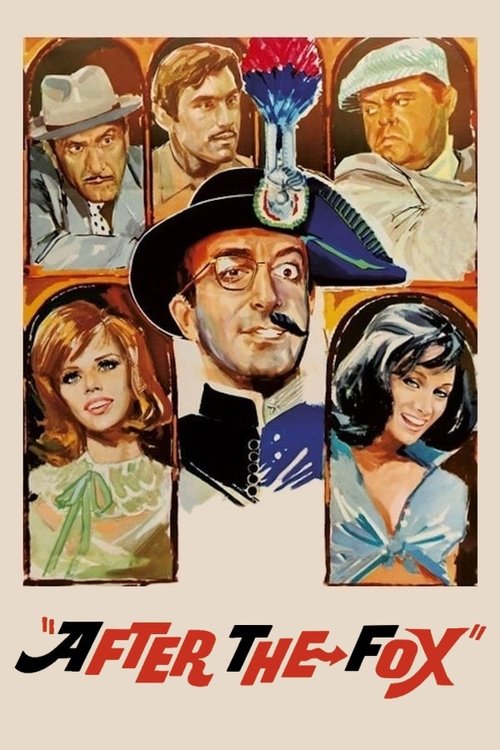
1966
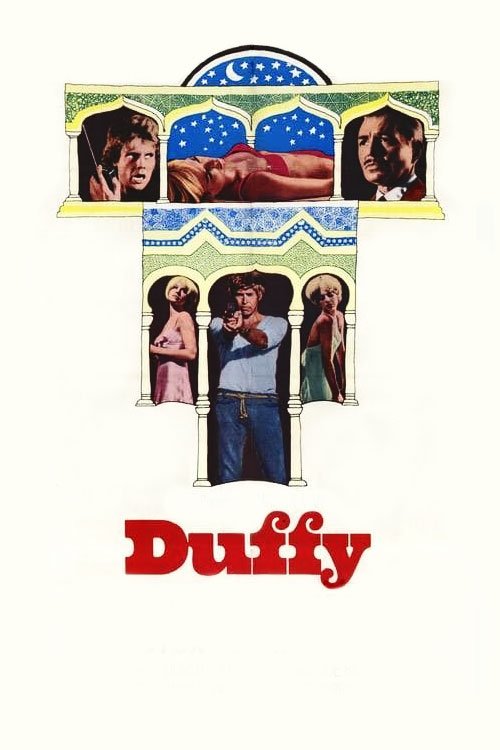
1968
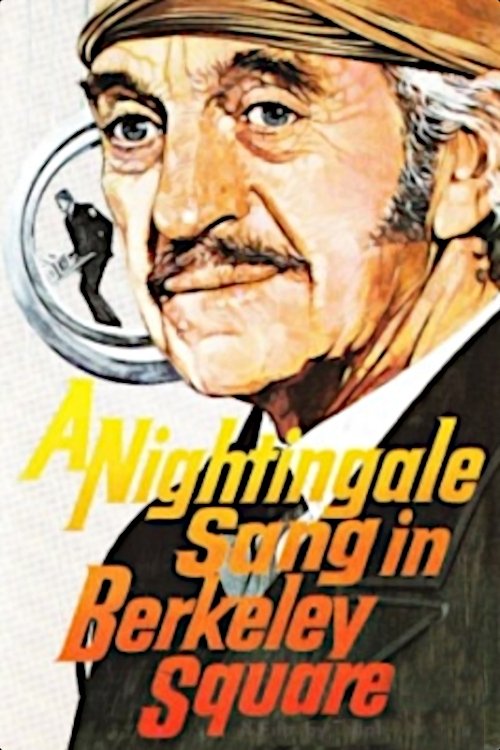
1980
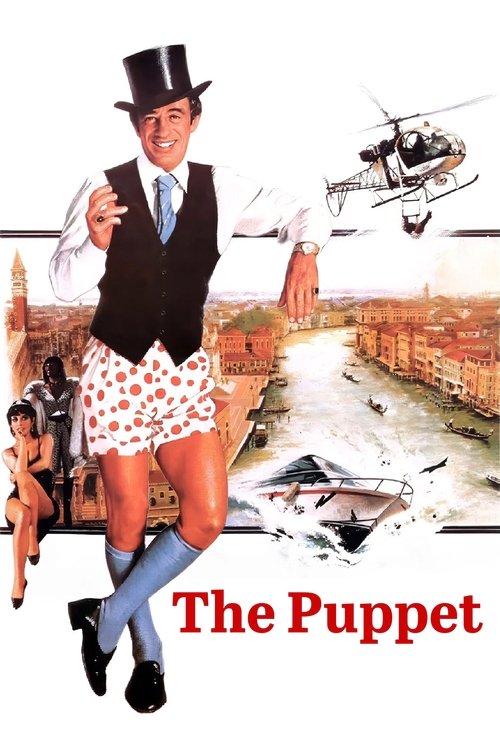
1980
No reviews yet. Be the first to share your thoughts on this movie!
Use the rating form above to leave a star rating and optional review.