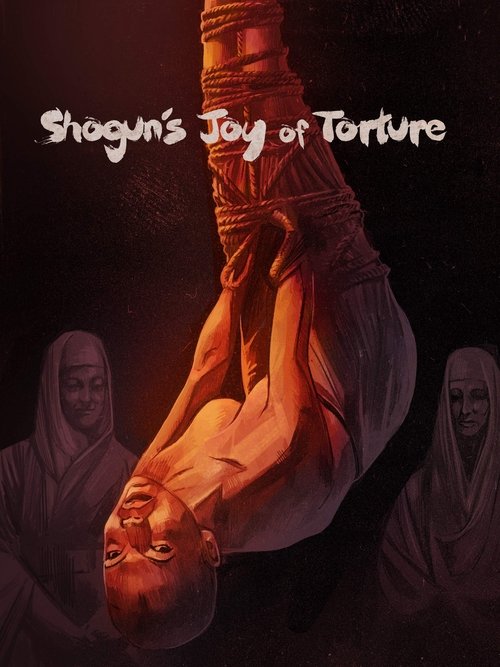
Shogun's Joy of Torture
1968
No user ratings available yet
Representation score: 5.2 out of 10
Representation Score
Good
1994
Director
Masaru Tsushima
Runtime
76 minutes
Average Rating
No ratings yetNew Showbiz Analysis
The film offers a powerful critique of historical power structures by centering female experiences within a framework of systemic oppression. It successfully disrupts conventional historical dramas by prioritizing the victims of institutional cruelty over the glorification of feudal order. However, the work remains limited by its adherence to period-accurate ethnic homogeneity and its use of physical trauma as a genre device. The lack of LGBTQ+ representation and the functional use of disability as a horror element prevent a more complex multi-layered approach.
Category Breakdown
The film does not include explicit LGBTQ+ characters or representations of non-straight relationships. The story focuses on the legal and physical subjugation of women within a strict social structure.
The film challenges traditional hierarchies by centering its narrative on the systemic oppression of women. It shifts the focus from patriarchal leadership to the lived experiences of underrepresented women.
Given its Edo-period setting, the cast is ethnically uniform. The film maintains a traditional demographic profile consistent with the historical context of Japan.
The narrative criticizes traditional institutions by depicting feudalism and state-sanctioned violence as inherently oppressive. It portrays the legal system as a primary antagonist rather than a source of order.
Physical trauma and bodily impairment serve mainly as horror elements. There is no indication that characters with disabilities are given real power or empowerment.
Present on Screen
Limited or Absent
Official Synopsis
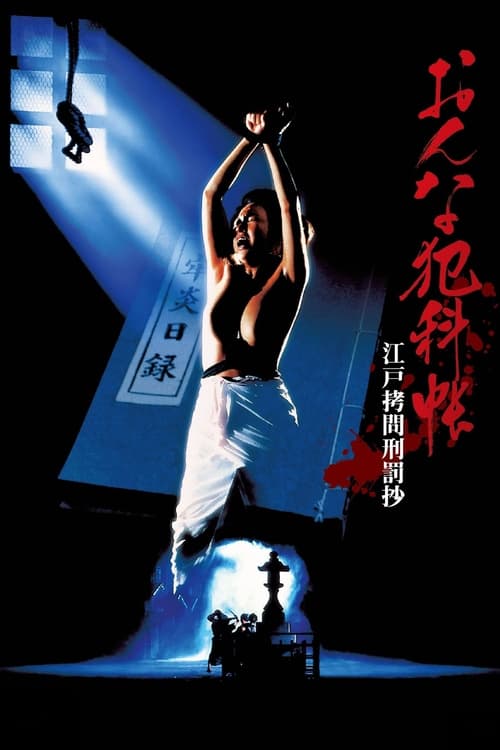
This story is based on the historical record of tortures in the Samurai era of Japan.
1968
1995
1976

1969
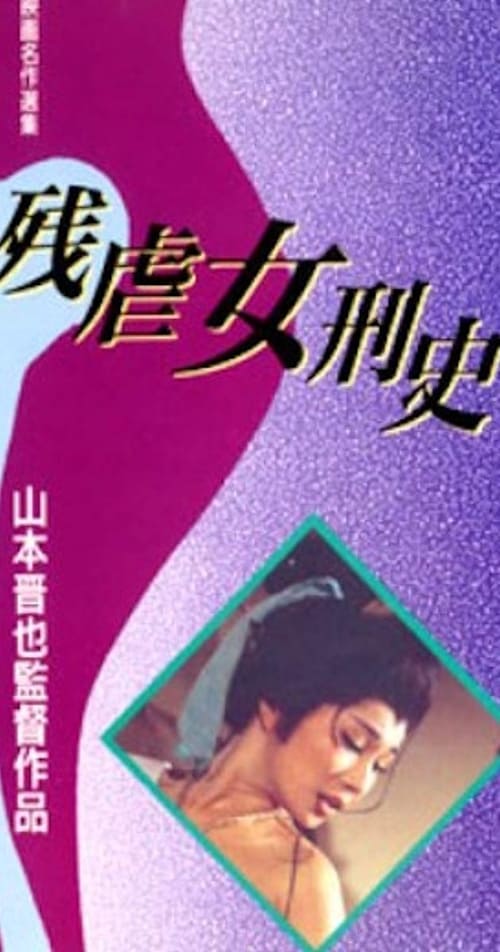
1976
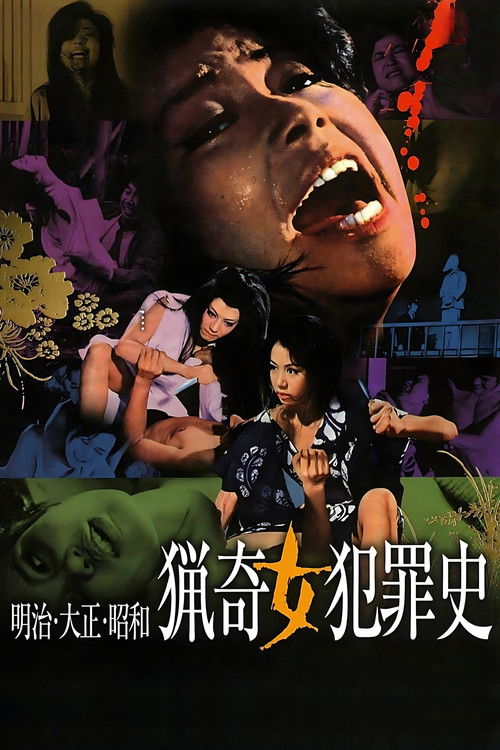
1969
No reviews yet. Be the first to share your thoughts on this movie!
Use the rating form above to leave a star rating and optional review.