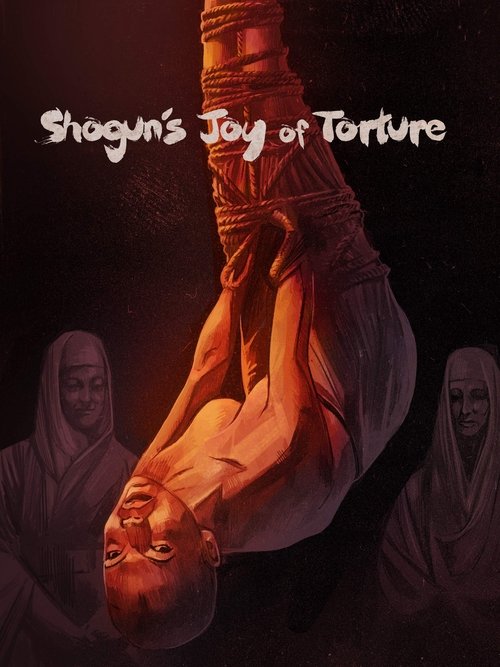
Shogun's Joy of Torture
1968
No user ratings available yet
Representation score: 5.2 out of 10

Representation Score
Minimal
1976
Director
Shinya Yamamoto
Runtime
65 minutes
Average Rating
No ratings yetNew Showbiz Analysis
Shinya Yamamoto’s anthology explores the intersection of social morality and corporal punishment. While the film offers high visibility for female characters, the narrative structure centers on the policing of their sexuality through extreme punishment. The film reinforces patriarchal anxieties by framing female autonomy as a transgression deserving of violence. It prioritizes the enforcement of social codes over the subversion of traditional hierarchies. Ultimately, the work functions as a study of disciplinary consequences rather than a nuanced exploration of identity or ability to act.
Category Breakdown
The film focuses on punishing women deemed promiscuous. There is no specific portrayal of queer identities or same-sex intimacy with significant roles.
Female characters are highly visible throughout the film. However, they primarily function as recipients of systemic violence rather than autonomous agents.
As a 1976 Japanese production, the cast and setting appear ethnically homogeneous. No cross-cultural casting or non-Japanese character arcs are evident.
The narrative explores the tension between individual behavior and institutional morality. It operates within a framework of strict social consequence and regulation.
The film provides no specific evidence regarding the inclusion of characters with visible or invisible disabilities.
Present on Screen
Limited or Absent
Official Synopsis
Short stories dealing with extreme punishment towards promiscuous women.
1968

1969
1994
1978

1976
1988
1969
1990
No reviews yet. Be the first to share your thoughts on this movie!
Use the rating form above to leave a star rating and optional review.