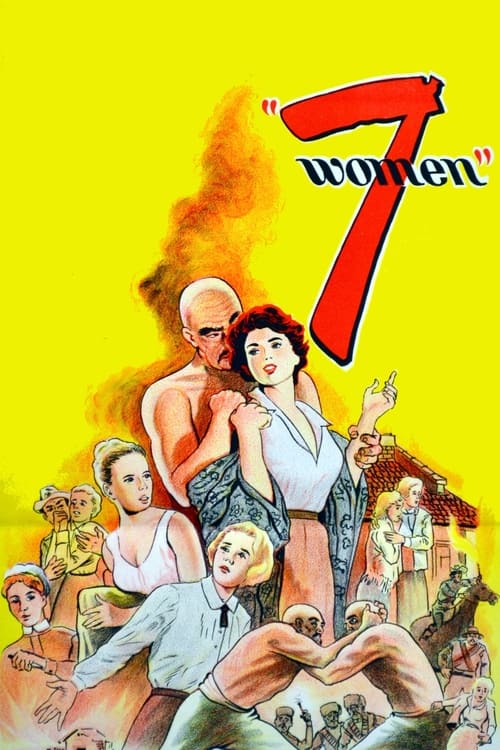
7 Women
1965
No user ratings available yet
Diversity score: 3.6 out of 10
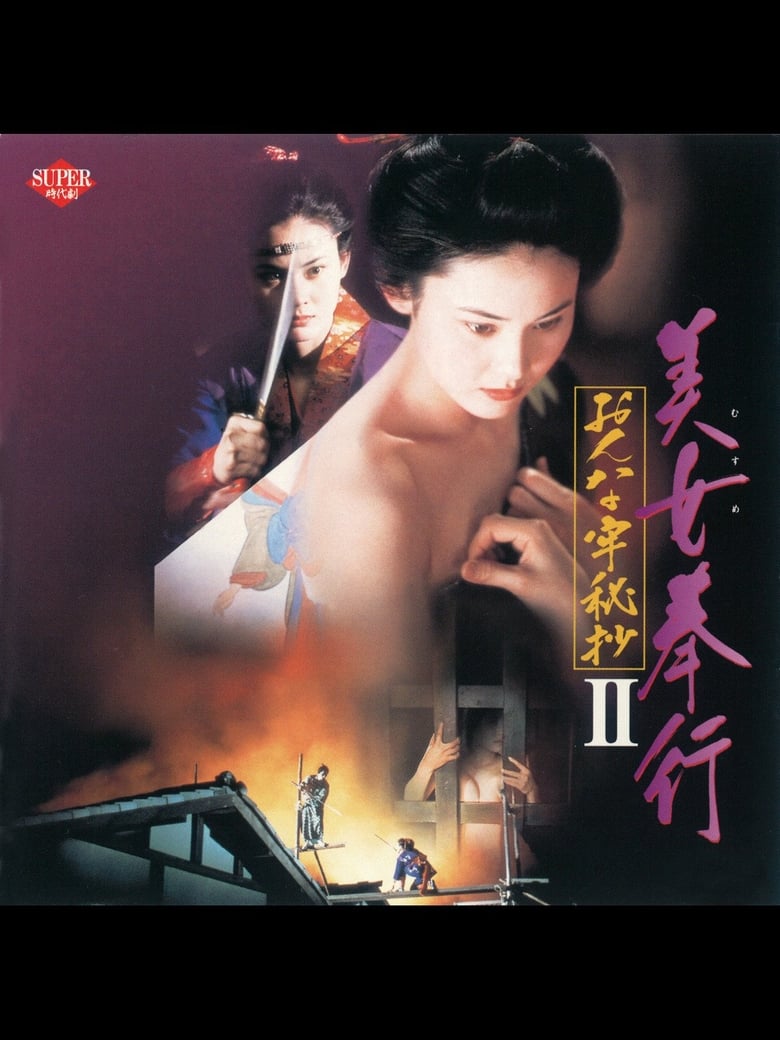
1995
Director
Toru Harada
Runtime
79 minutes
Average Rating
No ratings yetOverall Score
Limited
Category Breakdown
LGBTQ+ Representation
The film contains no evidence of non-cisnormative identities. There are no narratives present that critique heteronormativity.
Gender Representation
The story centers on a female magistrate, providing a focal point for female agency. This role suggests a departure from traditional patriarchal structures within the legal framework.
Racial & Ethnic Diversity
As a Japanese historical production, the cast is expected to be ethnically homogeneous. The narrative focuses on a singular cultural identity rather than a multi-ethnic approach.
Religious & Cultural Diversity
The film operates within traditional Japanese historical values. It emphasizes social stability and institutional roles rather than offering secularist or anti-Western critiques.
Disability Representation
There is no information regarding the portrayal of physical disabilities, neurodivergence, or mental health conditions in this work.
Strengths
Areas for Improvement
AI Analysis
Magistrate Woman Prison Collection II is a historical jidaigeki that adheres strictly to the conventions of its genre. While the central premise offers a degree of gender inclusion by placing a woman in a position of judicial authority, the film lacks broader intersectional depth. The production focuses on maintaining social order and traditional hierarchies. This emphasis on historical stability results in a narrative that lacks diverse representation across racial, disability, and LGBTQ+ spectrums. Ultimately, the film serves as a period drama centered on a specific cultural identity, providing moderate gender agency but minimal systemic disruption or social critique.
1965

1974
1989

1922
1961

1963

1941
1973

2013

2005

2002
1954
No reviews yet. Be the first to share your thoughts on this movie!
Use the rating form above to leave a star rating and optional review.