Shogun's Joy of Torture
1968
No user ratings available yet
Representation score: 5.2 out of 10
Representation Score
Excellent
1969
Director
Teruo Ishii
Runtime
92 minutes
Average Rating
No ratings yetNew Showbiz Analysis
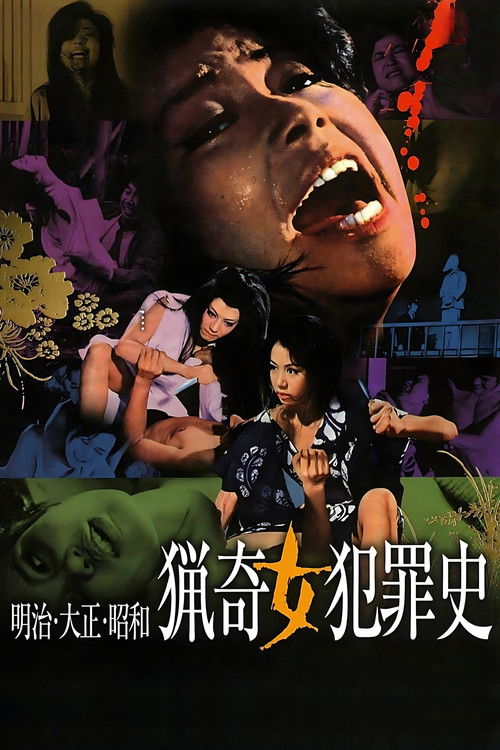
Teruo Ishii’s anthology is a striking subversion of the traditional crime genre. By centering female perpetrators across the Meiji, Taisho, and Showa eras, the film replaces male-driven justice with female-driven chaos. This shift provides a rare look at women possessing extreme, albeit criminal, ability to act. However, the film's approach to psychological states is more sensational than empathetic. Mental instability is used primarily as a tool for horror and thriller elements. Additionally, the historical focus results in a lack of racial and multi-layered diversity. Ultimately, the work succeeds as a disruption of gender hierarchies. It trades conventional morality for a dark exploration of obsession, making it a significant departure from the cinematic norms of 1969.
Category Breakdown
Sada Abe's portrayal challenges the norm by depicting obsessive intimacy framed through criminality, which questions the assumption that everyone is straight or cisgender.
Women are shown as the main drivers of violent action rather than victims. The film breaks down submissive stereotypes by giving female characters extreme autonomy and dominance.
The cast is ethnically uniform, reflecting the specific historical periods of Japan. The story lacks diverse racial representation within its period setting.
The film focuses on the breakdown of social stability and traditional morality. It emphasizes a secular, psychological perspective on obsession over religious or patriotic duty.
Mental instability is a key plot driver. However, these portrayals tend towards sensational horror rather than providing nuanced character studies of neurodivergent individuals.
Present on Screen
Limited or Absent
Official Synopsis
Discover 4 famous Japanese murderers: Takahashi Oden, the last woman beheaded in Japan, Sada Abe, a crazy lover, Kunihiko Kodaira, a rapist-killer and finally, the Toyokaku case, a woman who did everything to own a hotel.
1968
1978

1960
1979
1995

2011
1994

1976
No reviews yet. Be the first to share your thoughts on this movie!
Use the rating form above to leave a star rating and optional review.