
Inspector Lavardin
1986
No user ratings available yet
Representation score: 1.7 out of 10
Representation Score
Fair
1987
Director
Pierre Granier-Deferre
Runtime
102 minutes
Average Rating
No ratings yetNew Showbiz Analysis
Widow's Walk is a character-driven psychological crime drama that shifts the focus away from standard masculine investigative clichés. By centering the emotional weight on female characters, it offers a more nuanced perspective compared to typical procedurals of its era. However, the film is deeply rooted in the demographic and social norms of 1980s France. It lacks diversity in terms of race and LGBTQ+ representation, maintaining a homogeneous social landscape. Ultimately, while the film provides a sophisticated look at grief and community tension, it relies on dated clichés, such as the 'village idiot,' which limits its progressive impact.
Category Breakdown
The film adheres to traditional social norms, focusing on conventional interpersonal relationships. There is no depiction of diverse gender identities or stories that challenge the assumption that everyone is straight or cisgender.
Female characters play a significant role in driving the story's emotional and psychological core. While men lead the investigation, the narrative centers on the female perspectives and their grief.
The setting mirrors the demographic makeup of a regional French resort. The cast lacks diversity in terms of race, aligning with the historical and geographic context of the location.
The story explores local social structures and secular grief rather than religious morality. It functions as a character study within a traditional social ecosystem, rather than a subversive one.
The inclusion of a 'village idiot' risks using neurodivergence as a mere plot device. This element leans toward traditional cinematic shorthand rather than nuanced representation.
Present on Screen
Limited or Absent
Official Synopsis
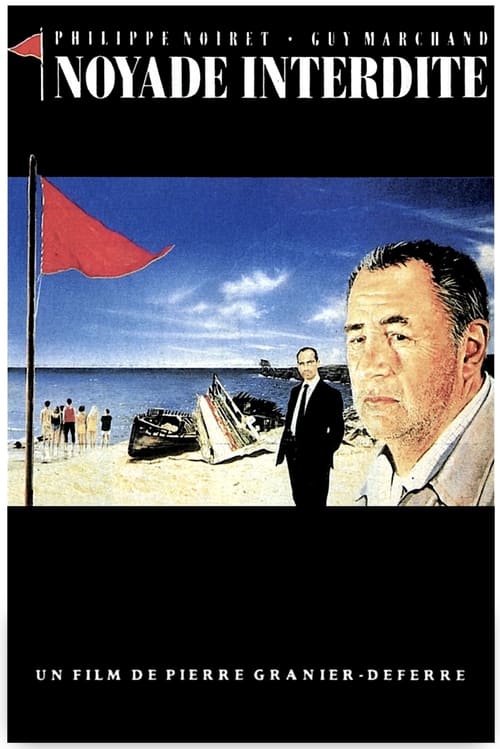
Molinat is assigned to the case of a man found with a bullet in his ear on the shore of a little Atlantic coast resort he knows well. Indeed, he used to live there before his wife disappeared at sea, never to be found again. As the ocean rejects a new corpse everyday, the mystery thickens and the list of potential suspects grows longer. This slows Molinat's progress as much as the cumbersome Leroyer, sent in to spy on him and hopefully impede his progress. The tension mounts and the ring involving the three young ladies in the grey mansion, the village idiot and the real estate agent starts spinning out of control.
1986

1983
1986

2019
1971
1975
1948
1966
No reviews yet. Be the first to share your thoughts on this movie!
Use the rating form above to leave a star rating and optional review.