
The Young Tycoon
1978
No user ratings available yet
Diversity score: 3.2 out of 10
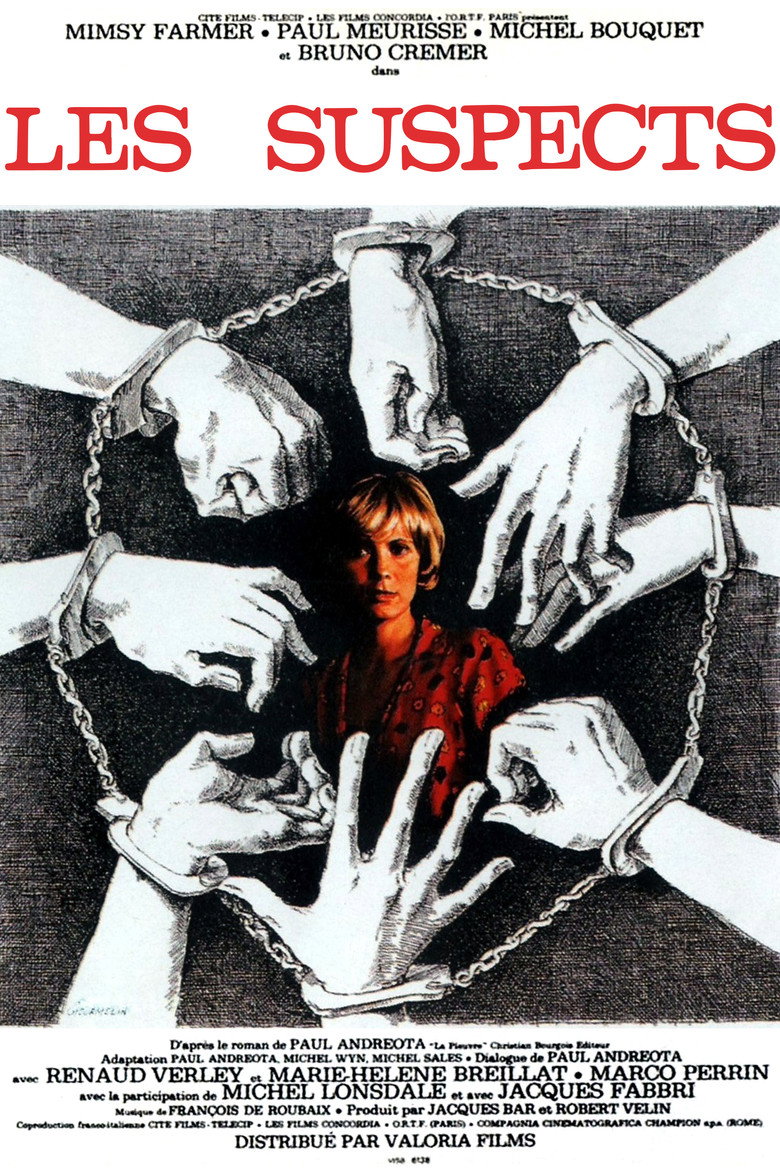
1974
PGDirector
Michel Wyn
Runtime
90 minutes
Average Rating
No ratings yetSynopsis
In the south of France, the body of a 22-year-old American tourist, Candice Strasberg, is discovered in the middle of the scrubland. Two days of rain prior to the discovery of the body made it difficult to collect evidence at the scene, as the rain had washed away the footprints. Using the victim’s diary, the police are attempting to piece together her movements. The investigation is entrusted to Gaston Delarue, the public prosecutor of Tarascon; Gérard Souffries, the investigating judge; Commissioner Bonetti of the Marseille police; and Divisional Commissioner Bretonnet of the Paris police. Among the six suspects is Bernard Vauquier, the son of the President of the Senate. The investigation proves to be as complicated as it is sensitive. But who murdered or killed Candice Strasberg? Screenplay adapted from ‘La Pieuvre’, a novel by Paul Andreota, published in 1970.
Overall Score
Limited
Category Breakdown
LGBTQ+ Representation
The film lacks LGBTQ+ characters or non-cisnormative identities. The narrative adheres to the traditional social frameworks of the 1970s without exploring queer perspectives.
Gender Representation
Agency is centered on a male police inspector who drives the investigation. The female victim serves primarily as a plot catalyst rather than a character with independent agency.
Racial & Ethnic Diversity
While the American tourist adds an international element, the cast appears to reflect a relatively homogeneous social landscape. There is no evidence of a multicultural ensemble.
Religious & Cultural Diversity
The story follows a standard investigative logic focused on restoring order. It does not engage with secularism, anti-capitalist themes, or the deconstruction of Western institutions.
Disability Representation
There is no mention of characters with visible or invisible disabilities within the narrative or available data.
Strengths
Areas for Improvement
AI Analysis
The Suspects operates as a conventional 1970s crime procedural, prioritizing the mechanics of a murder investigation over social or identity-based exploration. The film follows established genre tropes, focusing on individual culpability and the restoration of legal order. Narrative agency is heavily gendered, with the male inspector performing the intellectual labor of the plot. The lack of diverse casting or intersectional themes keeps the film within the narrow social boundaries of its era.
1978
1949
1961
2013
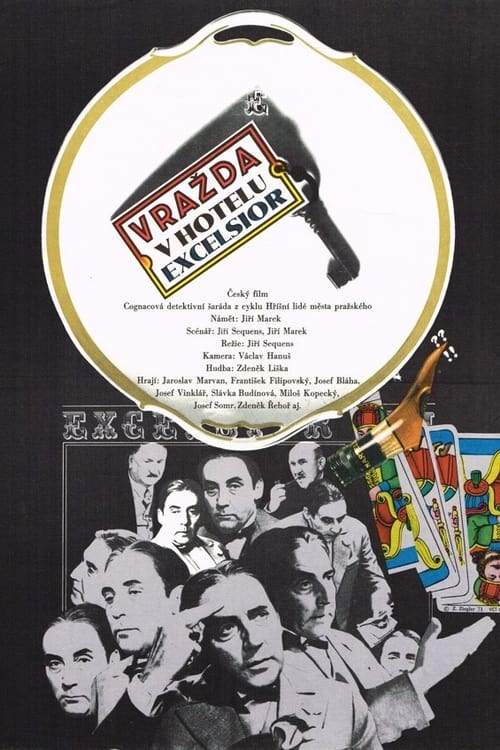
1971
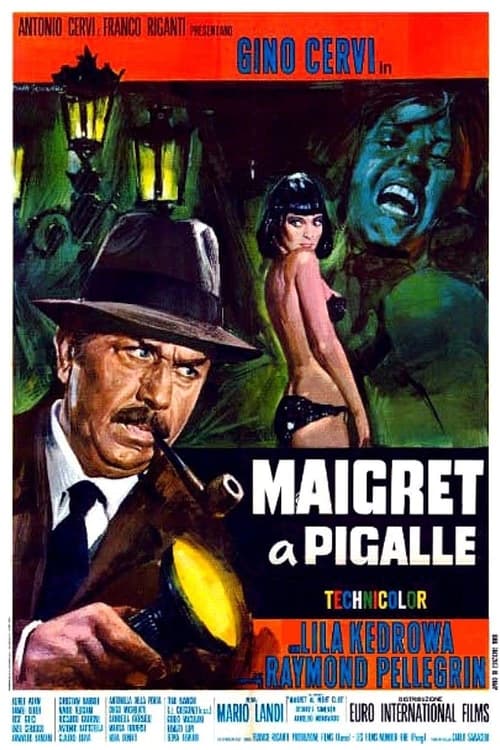
1966
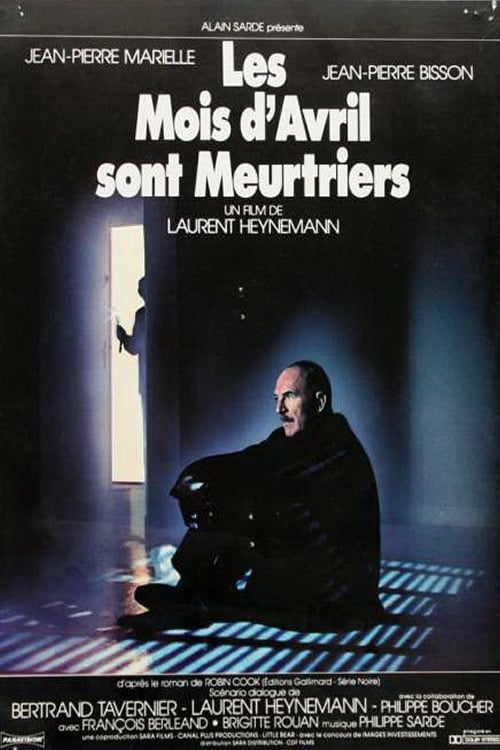
1987
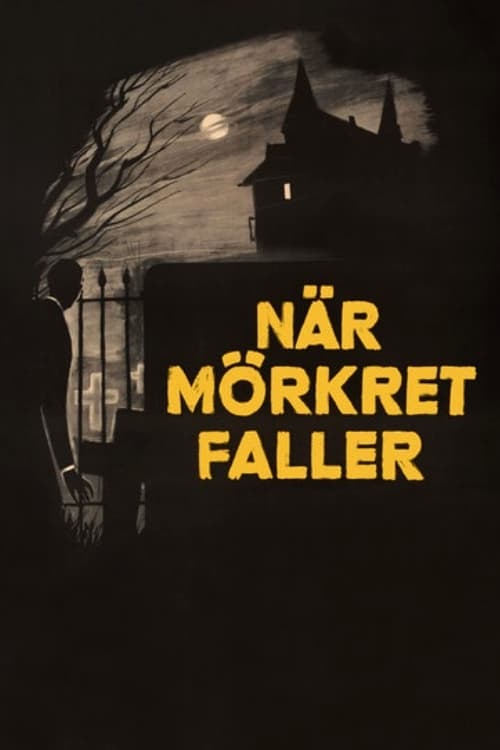
1960
1966
1985
1987

1962
No reviews yet. Be the first to share your thoughts on this movie!
Use the rating form above to leave a star rating and optional review.