
A Crime
1993
No user ratings available yet
Diversity score: 1.4 out of 10
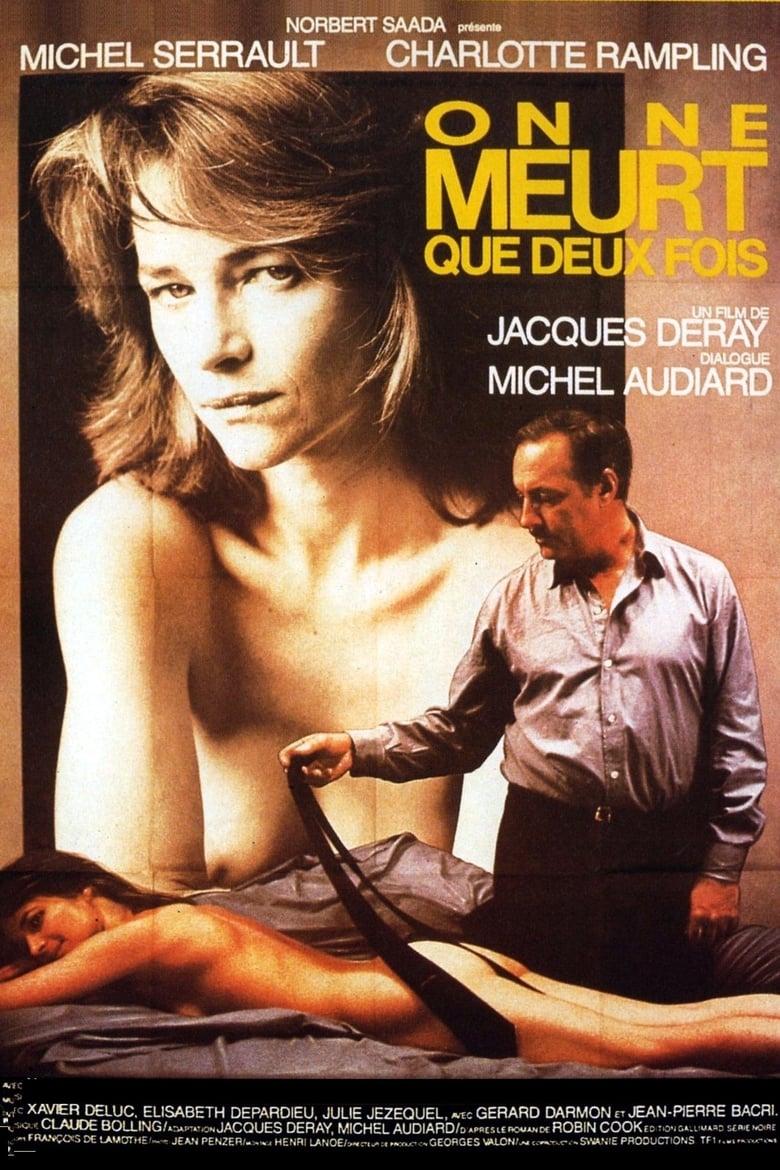
1985
Director
Jacques Deray
Runtime
106 minutes
Average Rating
No ratings yetSynopsis
Police Inspector Staniland is investigating the death of a pianist. While conducting his investigation and looking through the victim's apartment, he meets Barbara, the mistress of the murder victim. Barbara confesses to the crime, but Staniland, based on his observations and experience, does not believe her. He then sets out to find the truth.
Overall Score
Limited
Category Breakdown
LGBTQ+ Representation
The film lacks LGBTQ+ characters or depictions of same-sex intimacy. The narrative remains strictly within heteronormative social structures without subverting gender identity.
Gender Representation
The story is heavily male-centric, focusing on the conflict between the inspector and the criminal. Female characters, such as the mistress, serve primarily as catalysts for the male protagonist's investigation.
Racial & Ethnic Diversity
The cast is predominantly white and European, reflecting the specific setting of 1980s French crime thrillers. There is no evidence of diverse casting or intentional racial blending.
Religious & Cultural Diversity
The film explores moral relativism through professional codes rather than systemic critiques. It maintains a traditional respect for authority and does not challenge established Western institutions.
Disability Representation
There are no visible or invisible disabilities portrayed within the primary cast. Disability is not utilized as a narrative device or tool for character development.
Strengths
Areas for Improvement
AI Analysis
He Died with His Eyes Open is a character-driven procedural that prioritizes genre tropes over social exploration. The narrative architecture centers on the psychological friction and professional obsession of its male protagonists, adhering to the cinematic conventions of the 1980s. The film reinforces traditional social hierarchies and gender roles. While it offers a nuanced look at the ethics of professionalism, it does so within a homogeneous framework that lacks intersectional representation or systemic critique. Ultimately, the work functions as a standard neo-noir that focuses on individualistic conflict rather than challenging established racial, gendered, or social norms.
1993
1966
1987

1975
1961
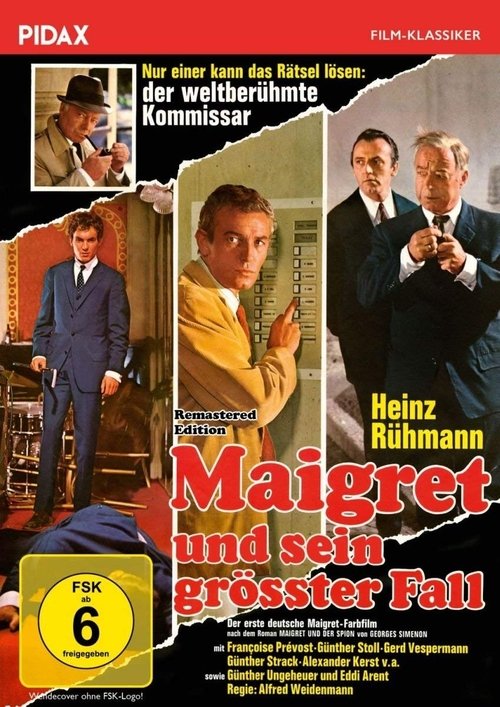
1966
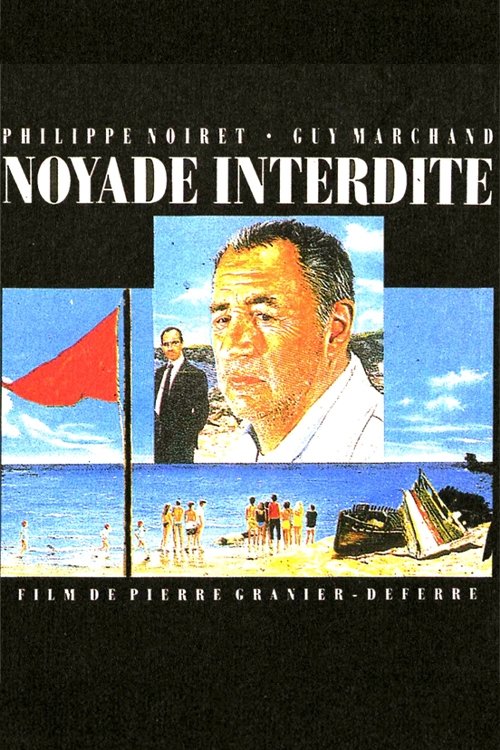
1987
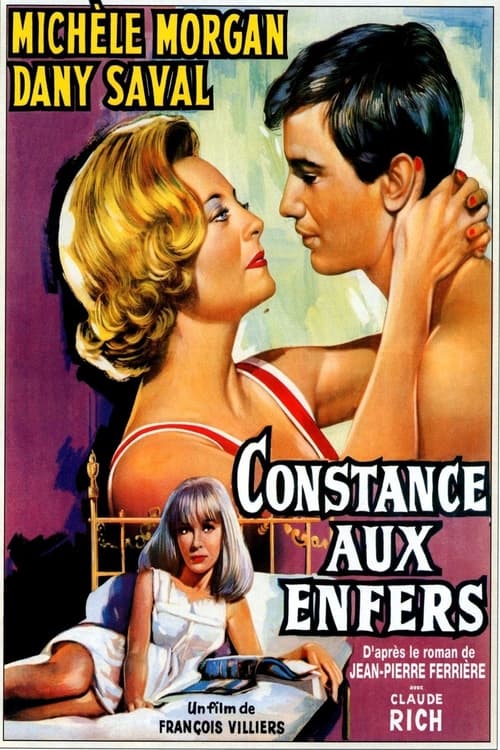
1964
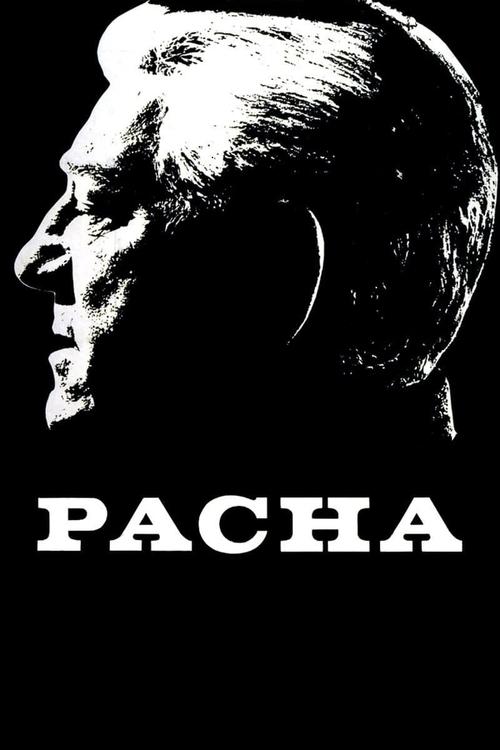
1968

1974
1975
1975
No reviews yet. Be the first to share your thoughts on this movie!
Use the rating form above to leave a star rating and optional review.