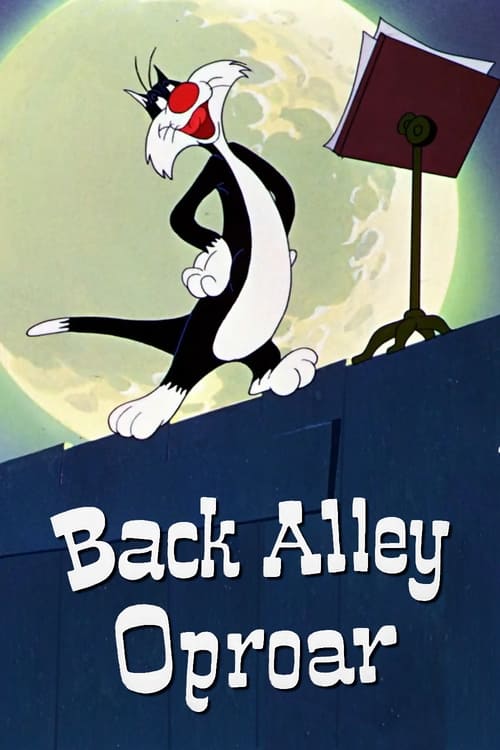
Back Alley Oproar
1948
No user ratings available yet
Representation score: 0.5 out of 10
Representation Score
Minimal
1946
ApprovedDirector
Friz Freleng
Runtime
8 minutes
Average Rating
No ratings yetNew Showbiz Analysis
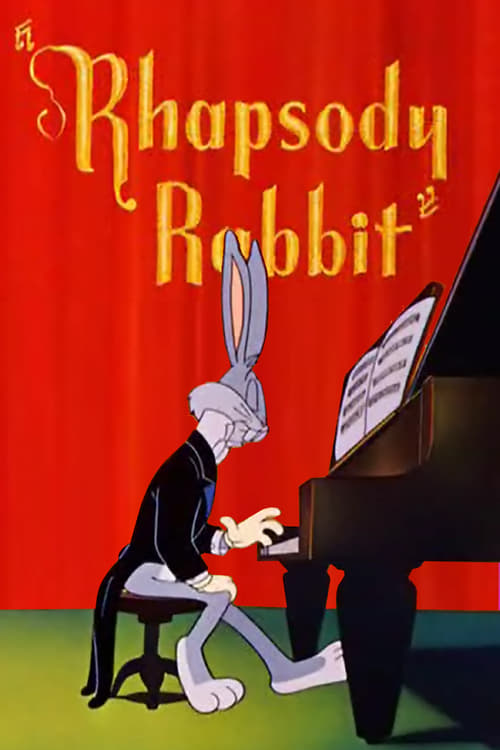
Rhapsody Rabbit is a classic example of mid-century animation that prioritizes musical timing and physical comedy over social commentary. The film adheres to a traditional comedic structure that respects established orders, such as the pursuit of classical music mastery. Since the narrative is built around the tension between a protagonist and a disruptive force, it lacks the depth needed for identity-driven storytelling. The cast is limited to anthropomorphic animals in a stylized setting. Ultimately, the film serves as a baseline example of traditionalist animation from the mid-twentieth century, focusing on escapism through classical motifs without challenging social hierarchies or incorporating progressive representation.
Category Breakdown
The film does not depict any non-straight relationships or include any queer subtext. The story revolves around the interactions between a rabbit and a mouse.
The short features a small cast centered on a male character. There are no female characters, resulting in a story focused solely on slapstick humor without any gender diversity.
The setting is a stylized, pastoral environment with anthropomorphic animals. The film does not address racial or ethnic themes or use metaphorical diversity.
The narrative centers on the celebration of Western classical music. It reinforces traditional Western cultural values by emphasizing the mastery of high art.
The film does not show any physical, sensory, or neurodivergent disabilities. The characters' actions are driven by slapstick humor rather than experiences related to disabilities or health conditions.
Present on Screen
Limited or Absent
Official Synopsis
When Bugs Bunny attempts to perform Liszt's Second Hungarian Rhapsody, he is troubled by a mouse.
1948
1942
1949
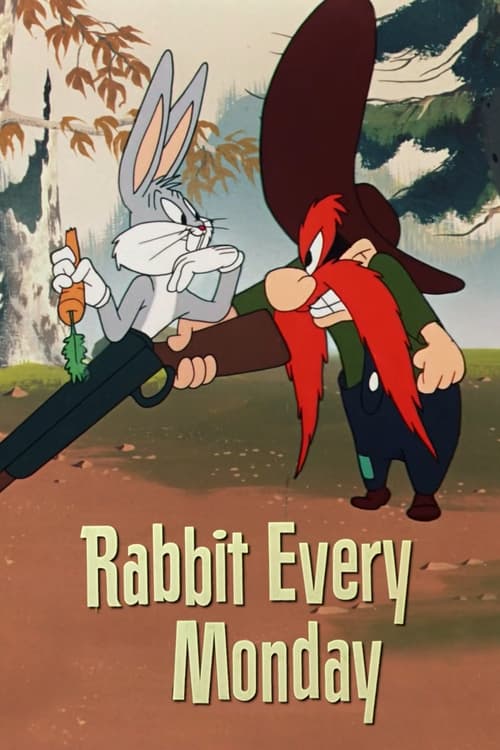
1951
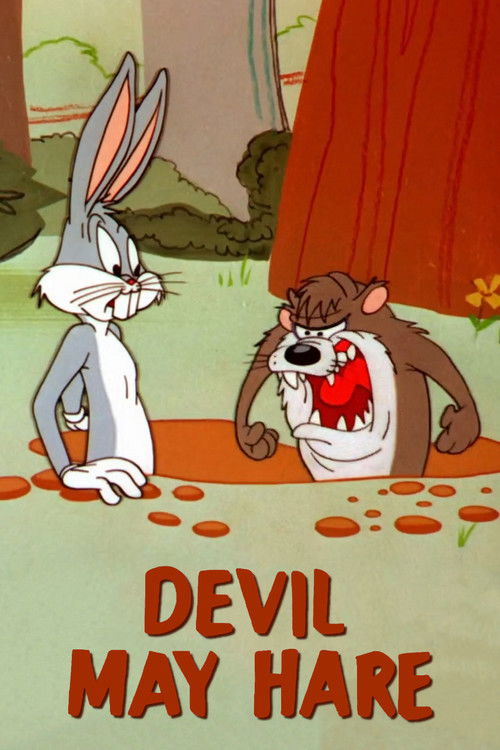
1954
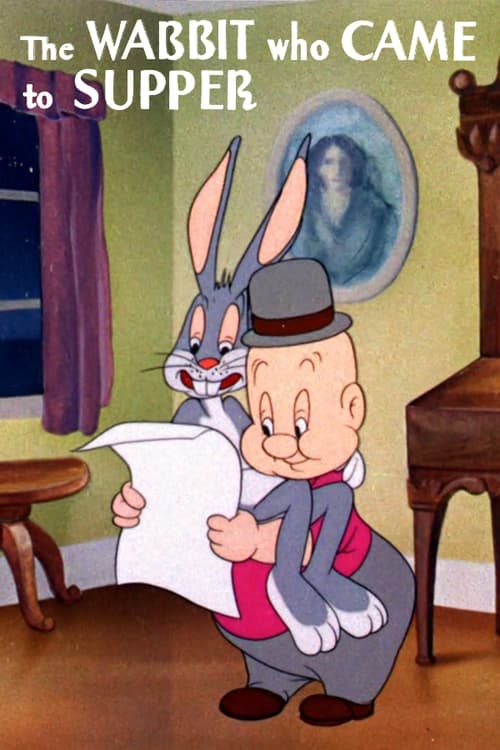
1942
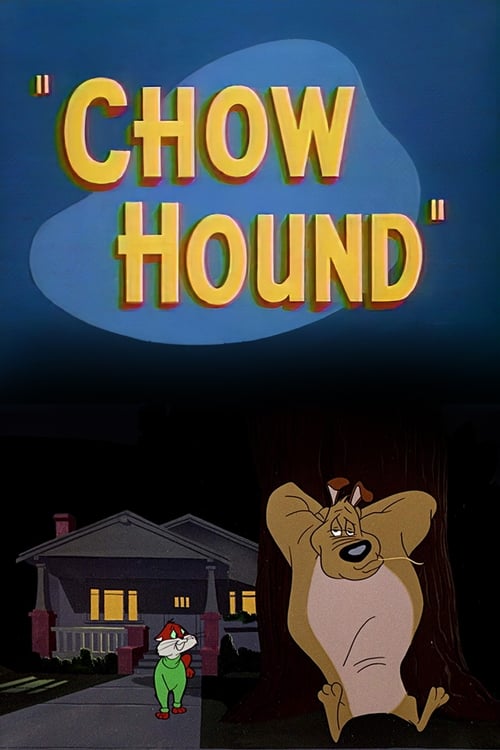
1951
1953
No reviews yet. Be the first to share your thoughts on this movie!
Use the rating form above to leave a star rating and optional review.