
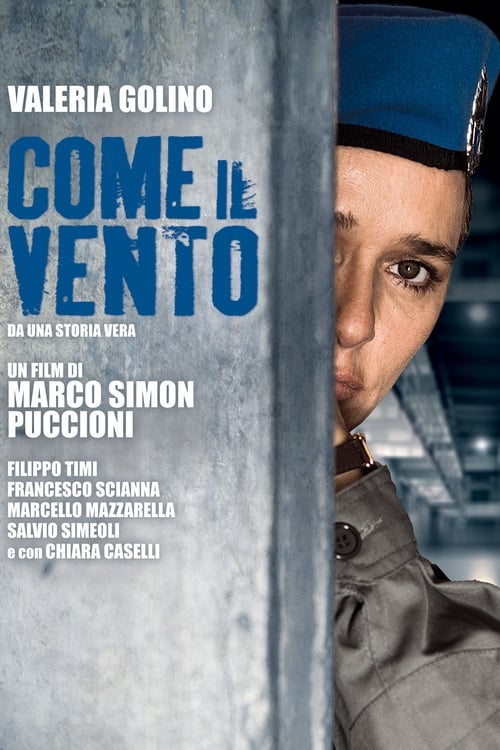
La madre
2013
No user ratings available yet
Representation score: 4.0 out of 10
Representation Score
Good
2013
Director
Marco S. Puccioni
Runtime
110 minutes
Average Rating
No ratings yetNew Showbiz Analysis
Like the Wind is a focused psychological drama that prioritizes individual character depth over broad systemic critique. It challenges gender hierarchies by placing a woman in a high-stakes, traditionally patriarchal institutional role. However, the film lacks significant engagement with multi-layered issues. The narrative appears narrow, focusing on a specific biography without evidence of racial diversity or explicit LGBTQ+ representation. While the exploration of mental health through the protagonist's suicide offers potential for disability discourse, the film's overall impact is limited by its lack of broader social inclusivity.
Category Breakdown
The film does not include any explicit references to queer identities or romantic arcs involving LGBTQ+ characters. There is no clear indication of inclusive queer representation.
The film focuses on a woman in a position of significant structural power as a jail director. This disrupts the stereotype of female passivity and highlights her professional ability to act.
There is no evidence of a diverse or non-white cast within the narrative. The film focuses on a specific individual's biography without incorporating racial diversity or multi-layered casting.
The film explores the psychological toll of leadership and a departure from traditional moralistic storytelling. It offers a complex, subjective look at morality rather than a singular social ideal.
The film explores mental health and invisible disabilities through the theme of suicide. However, it is unclear whether these themes are handled with ability to act or used as a tragic plot device.
Present on Screen
Limited or Absent
Official Synopsis
The last few years in the life of Armida Miserere, female jail director who committed suicide.
2013
1961

2023

2018

2025
2013
2015
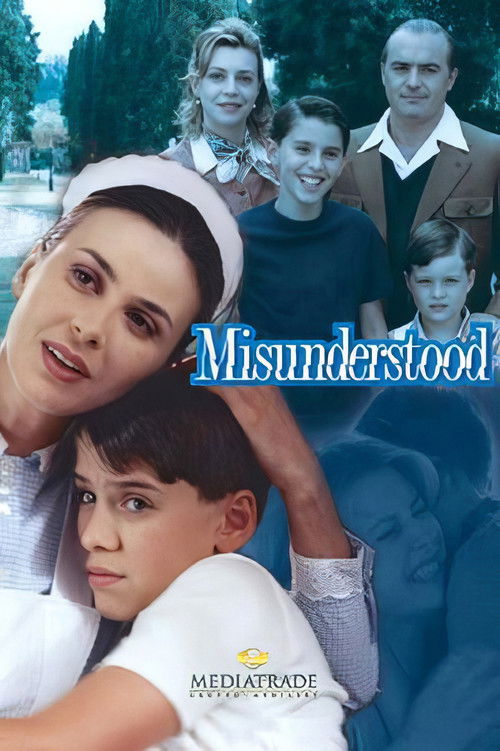
1998
No reviews yet. Be the first to share your thoughts on this movie!
Use the rating form above to leave a star rating and optional review.