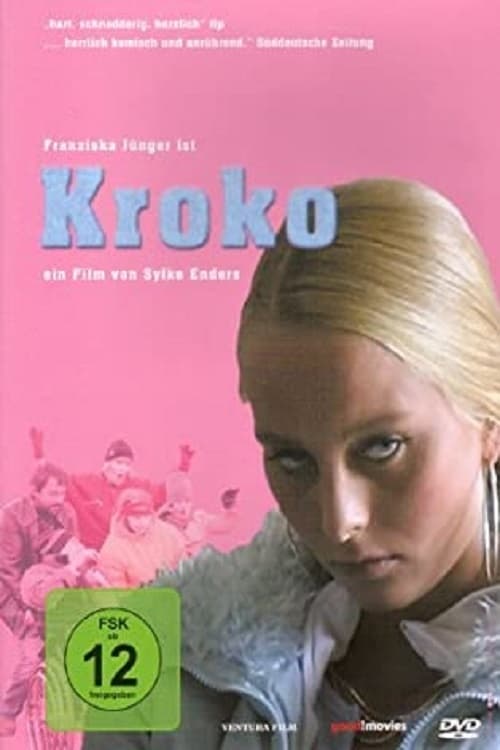
Kroko
2003
No user ratings available yet
Representation score: 8.1 out of 10
Representation Score
Fair
2005
Director
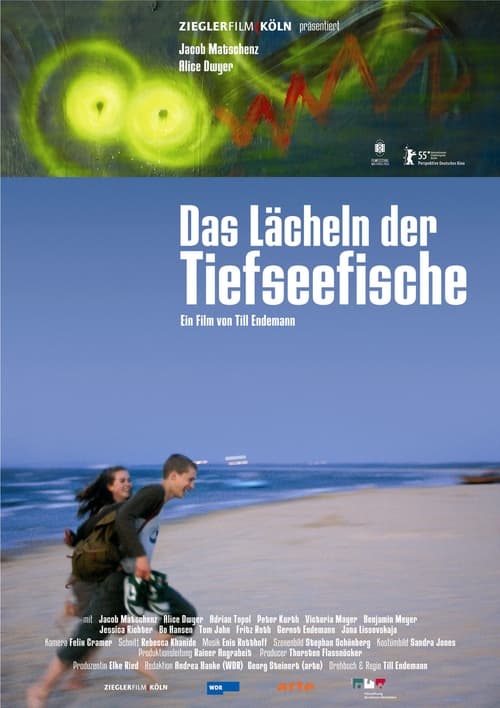
Till Endemann
Runtime
88 minutes
Average Rating
No ratings yetNew Showbiz Analysis
This film operates as a gritty social realist drama that dismantles the traditional family structure in favor of a critical portrayal. It resists the glorification of patriarchal roles, instead depicting the male authority figure as unstable and dysfunctional. However, the narrative lacks significant markers of diversity. It primarily focuses on a homogeneous demographic, offering limited representation regarding race, LGBTQ+ identities, or explicit disability involvement. Ultimately, the film's strength lies in its social critique of systemic struggles and domestic dysfunction rather than its engagement with diverse identity issues.
Category Breakdown
The film centers around heterosexual relationships and does not include any clear examples of LGBTQ+ narratives or non-straight identities within the main storyline.
The movie highlights the breakdown of traditional patriarchal structures through a troubled, alcoholic father. Female characters such as Annika mainly serve as catalysts for the male protagonist's journey.
The story unfolds on a German island and seems to revolve around a homogeneous community. There is no indication of a multi-ethnic cast or diverse representation.
The film challenges idealized family portrayals by showing a household marked by poverty and addiction. It questions the stability of capitalist systems through themes of survival and informal economies.
There is no direct mention of physical or cognitive disabilities. While the film touches on the impact of addiction, it does not provide characters with disabilities a significant role in driving the story.
Present on Screen
Limited or Absent
Official Synopsis
Malte, who is almost 18, lives with his alcoholic father in a dilapidated house on the island of Usedom. His mother died a few years ago and his sister has moved away. The household budget is empty, but Malte has a dream: to get his driver's license and then run away. Malte tries to fulfill his dream with various jobs and cigarette smuggling, and just when the teenager has got used to his living situation, his missing sister and son Lukas turn up on Usedom again. From now on, Malte is also supposed to look after his little nephew, although he would much rather spend his free time with pretty Annika, who is on vacation on the Baltic island.
2003
2014

2005

2000

2006
2007
2010
2005
No reviews yet. Be the first to share your thoughts on this movie!
Use the rating form above to leave a star rating and optional review.