Alice in the Cities
1974
No user ratings available yet
Representation score: 4.3 out of 10
Representation Score
Fair
1975
NRDirector
Wim Wenders
Runtime
105 minutes
Average Rating
No ratings yetNew Showbiz Analysis
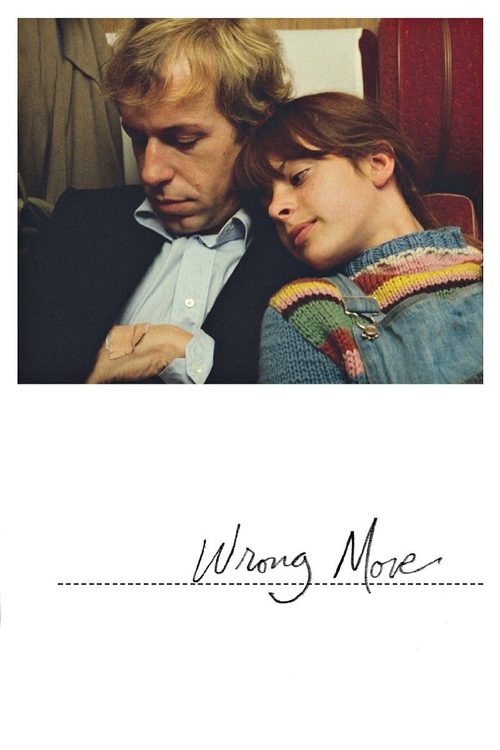
Wrong Move is a deep exploration of alienation and the loss of meaning in post-war West Germany. It emphasizes existential atmosphere and psychological fragmentation over conventional narrative structure. While the film offers a sophisticated critique of consumerist emptiness and the erosion of social structures, it lacks broad diversity. The focus remains on individual despair rather than systemic identity dynamics. Ultimately, the work stands as a masterpiece of New German Cinema, delving into the individual's drift within a spiritually barren modern landscape.
Category Breakdown
The film does not include explicit LGBTQ+ characters or challenge the assumption that everyone is straight. The story focuses on the protagonist's emotional numbness and existential questions rather than identity-specific issues.
Female characters such as Mignon are secondary to the protagonist's isolation. The film fails the Bechdel test, focusing instead on the protagonist's inner world and the breakdown of interpersonal connections.
The setting depicts a predominantly white European social circle. There is no intentional inclusion of non-Anglo-Saxon identities in the main roles.
Wenders critically examines Western modernity and consumerist emptiness. The film dismantles the perceived stability of Western institutions and traditional social structures.
Mignon is shown as mute, highlighting communication barriers. This trait serves as a narrative tool to emphasize the breakdown of communication rather than exploring the character's ability to make choices.
Present on Screen
Limited or Absent
Official Synopsis
Six days in the life of Wilhelm: a detached man without qualities. He wants to write, so his mother gives him a ticket to Bonn, telling him to live. On the train he meets an older man, an athlete in the 1936 Olympics, and his mute teen companion, Mignon. She's an acrobat in market squares for spare change.
1974
1976
1975

1994
1972
1977
1970
1986
No reviews yet. Be the first to share your thoughts on this movie!
Use the rating form above to leave a star rating and optional review.