Lehmanns Erzählungen
1975
No user ratings available yet
Representation score: 4.6 out of 10
Representation Score
Fair
1970
Not RatedDirector
Rainer Werner Fassbinder, Michael Fengler
Runtime
84 minutes
Average Rating
No ratings yetNew Showbiz Analysis
Fassbinder’s work functions as a radical deconstruction of social order. While the film lacks traditional demographic markers like racial or LGBTQ+ representation, it provides a sophisticated critique of the capitalist urban structure and the perceived emptiness of consumerist stability. The film's strength lies in its ability to challenge the sanctity of the nuclear family and Western social institutions. It replaces conventional social cohesion with a nihilistic exploration of how systemic alienation drives an individual toward psychological fragmentation. However, the film remains demographically narrow. The focus on a specific German social stratum and the treatment of mental health as a symptom of environment rather than a character study limits its breadth of representation.
Category Breakdown
The film centers on the isolation of a traditional family unit and offers little visibility for LGBTQ+ characters or non-traditional gender expressions.
The narrative breaks down the traditional nuclear family structure, avoiding the cliché of the stable husband and instead focusing on a psychologically fractured male protagonist and an ambitious wife.
The story is a claustrophobic look at a specific urban German social class. It lacks significant racial or ethnic diversity, reflecting the era's demographic uniformity.
The film excels in critiquing Western institutional stability and the middle-class dream. It portrays the capitalist urban environment as a sterile, alienating force.
Psychological instability is explored as a symptom of broader societal issues. The film leans toward existential despair rather than a detailed examination of neurodivergence or lived experience.
Present on Screen
Limited or Absent
Official Synopsis
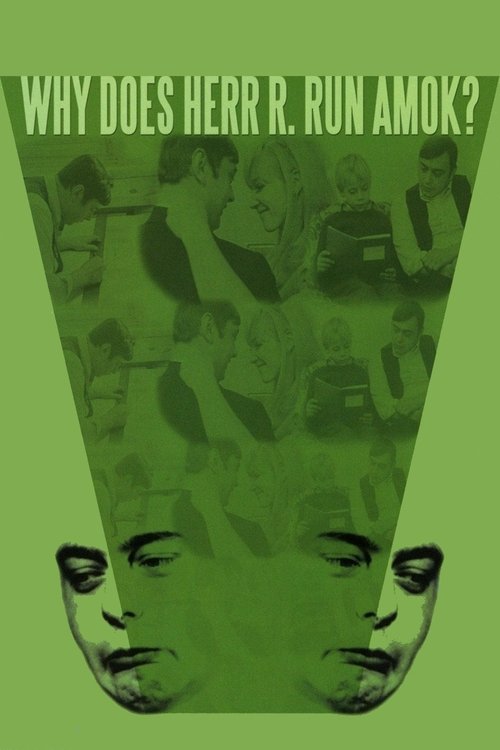
Technical draftsman Herr R. is a dependable guy. He gets along with his colleagues although his boss wants him to go beyond technical cleanliness to problem solving. He's a dutiful husband; his wife's a social climber and pressures him to seek a promotion, but they also share sweet moments. He's a caring father, helping his son with homework. His parents visit; his mother criticizes his wife. Old schoolmates drop by, as do neighbours. Some comment on his wife's expensive tastes. His promotion may be a long shot, especially after he gives a dull and tipsy toast at an office dinner. But why would Herr R. run amok?
1975

1977

1975
1980
1980
1977
1969
1975
No reviews yet. Be the first to share your thoughts on this movie!
Use the rating form above to leave a star rating and optional review.