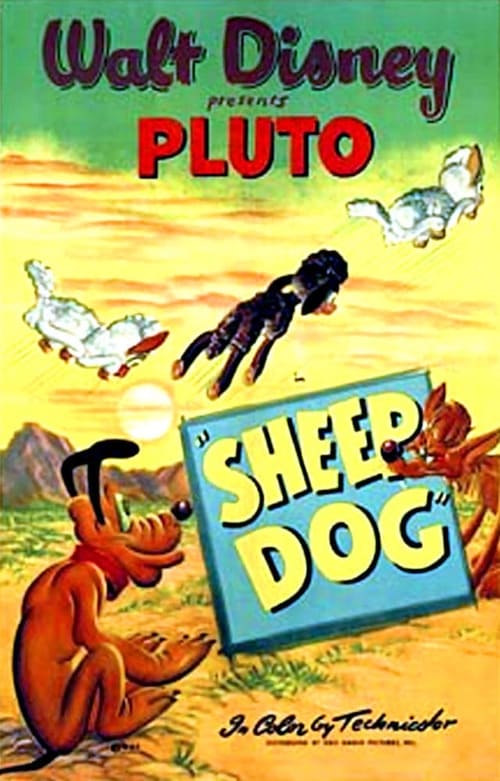
Sheep Dog
1949
No user ratings available yet
Representation score: 0.4 out of 10
Representation Score
Minimal
1950
NRDirector
Charles August Nichols
Runtime
6 minutes
Average Rating
No ratings yetNew Showbiz Analysis
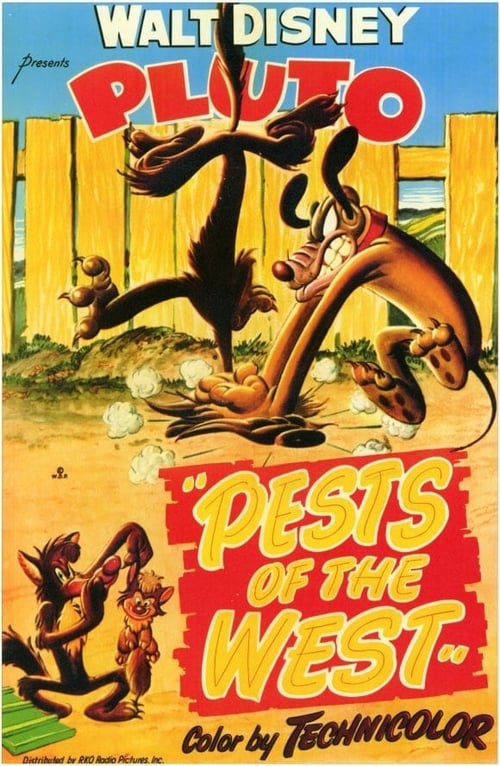
Pests of the West is a conventional mid-century animated short that relies heavily on established biological and familial clichés. The narrative structure prioritizes traditional hierarchies, focusing on the conflict between disruptors and the preservation of order. The film lacks the intentionality required to challenge or subvert the social norms of its era. By centering on a patriarchal coyote lineage and anthropomorphic animal metaphors, it avoids complex social or cultural representation. Ultimately, the work functions as a standard fable-based production, adhering to the narrow gendered and cultural frameworks typical of 1950s animation.
Category Breakdown
The story focuses on a biological father-son relationship and does not include any LGBTQ+ identities or queer narratives.
The story centers around a patriarchal lineage between a father and son, reinforcing traditional masculine archetypes. Female characters are absent, emphasizing a male-dominated narrative.
The film uses anthropomorphic animals to represent characters, avoiding human diversity. There is no evidence of intentional racial blending or disruption of casting norms.
The film follows a traditional morality structure regarding property and boundaries, reinforcing established order rather than critiquing Western institutions.
There is no evidence of characters navigating physical or neurodivergent disabilities within the story.
Present on Screen
Limited or Absent
Official Synopsis
Father and son coyotes try to sneak into a henhouse that Pluto is guarding.
1949
1950
1945
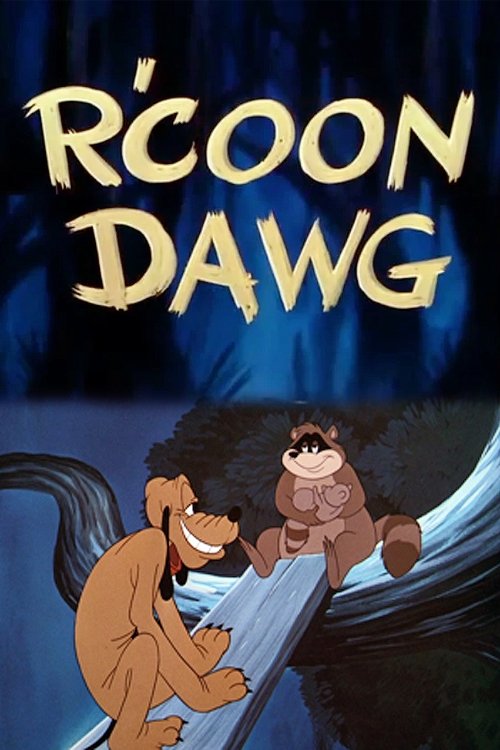
1951
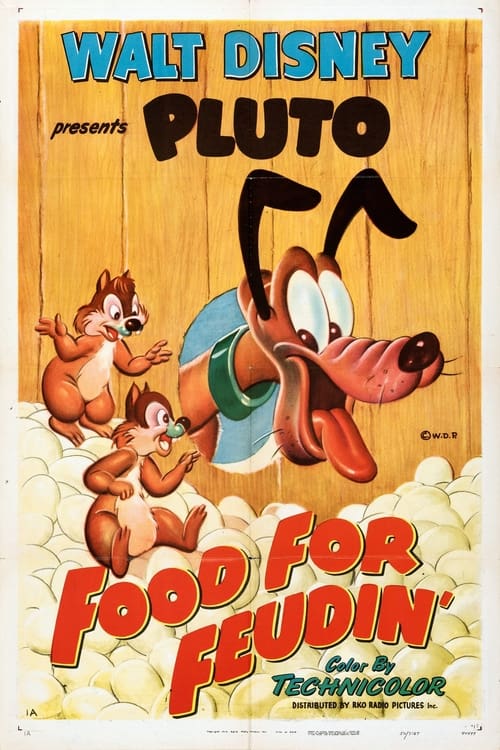
1950
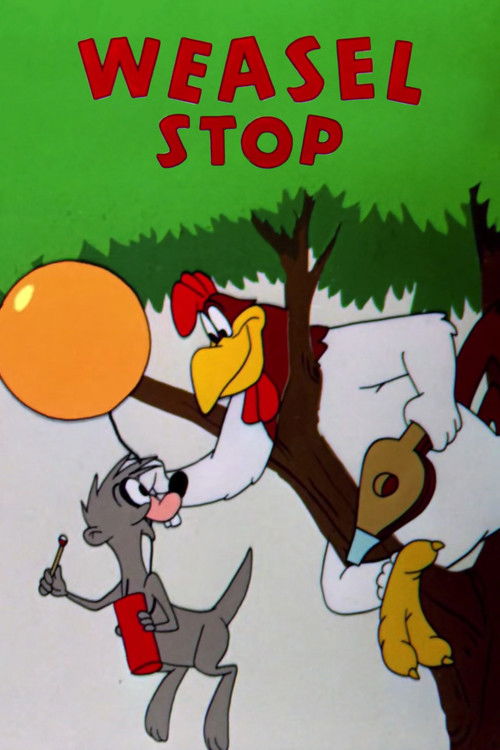
1956
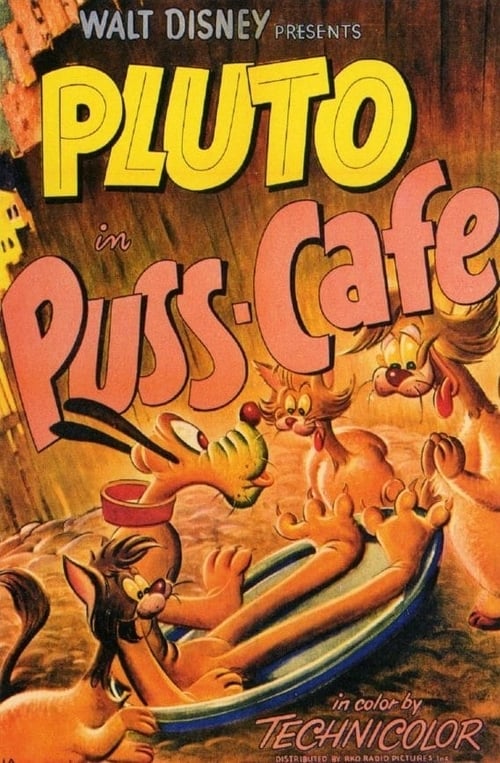
1950
1948
No reviews yet. Be the first to share your thoughts on this movie!
Use the rating form above to leave a star rating and optional review.