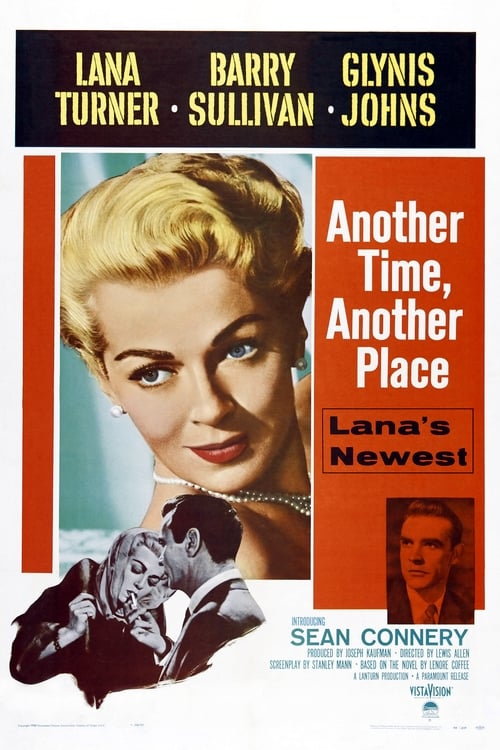
Another Time, Another Place
1958
No user ratings available yet
Representation score: 3.4 out of 10
Representation Score
Minimal
1956
NRDirector
Jerry Hopper
Runtime
96 minutes
Average Rating
No ratings yetNew Showbiz Analysis
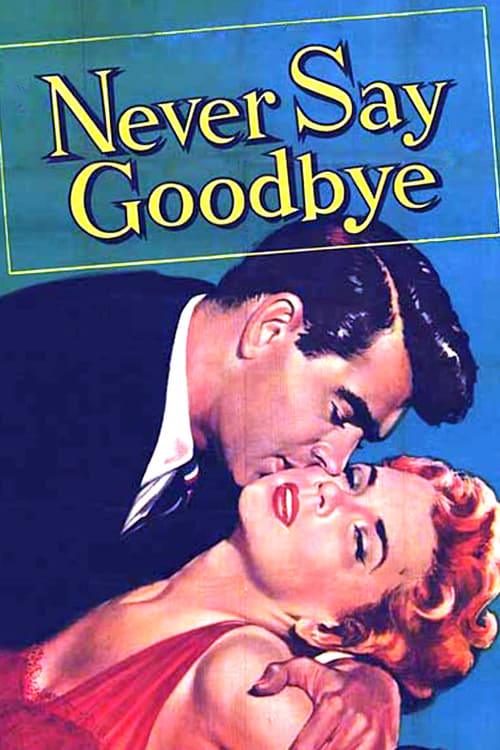
Never Say Goodbye is a classic mid-century melodrama that focuses on individual emotional arcs rather than exploring systemic identity issues. The plot revolves around a surgeon's wartime experiences and a complex romantic relationship, staying within traditional interpersonal conflicts. Douglas Sirk's involvement hints at potential stylistic commentary on social hierarchies, but the film adheres to the conventional values of its time. It functions as a typical post-war drama without a strong focus on social critique. Overall, the film lacks the intentionality needed to disrupt the demographic status quo, reflecting the era's emphasis on domestic stability and the European-American experience during the post-war period.
Category Breakdown
The film follows the typical romantic standards of mid-century melodramas, with no representation of LGBTQ+ identities or narratives that challenge traditional romantic structures.
The female lead serves as the emotional center, but her role is defined by her relationships with men. The story focuses on emotional reconciliation rather than challenging patriarchal norms.
The cast is predominantly made up of actors from similar backgrounds, reflecting the cinematic norms of 1956. International settings are used primarily for wartime context rather than to explore diverse backgrounds.
The narrative centers on traditional Western values, emphasizing personal morality and the preservation of the family unit. It does not critique Western institutions or religious practices.
There is no significant evidence of physical or neurodivergent disability representation within the film's narrative or character arcs.
Present on Screen
Limited or Absent
Official Synopsis
In present-day U.S., Dr. Michael Parker, a prominent surgeon, unexpectedly runs into his German-born wife whom he thought was dead. Victor, an artist and his "dead" wife's now boyfriend, berates Dr. Parker for "killing" her. The bulk of the story flashes back to Austria during World War II as we learn how Dr. Parker met and married his wife, and the one mistake that may have cost him his family.
1958

1955
1946
1958

1950

1952
1946

1948
No reviews yet. Be the first to share your thoughts on this movie!
Use the rating form above to leave a star rating and optional review.