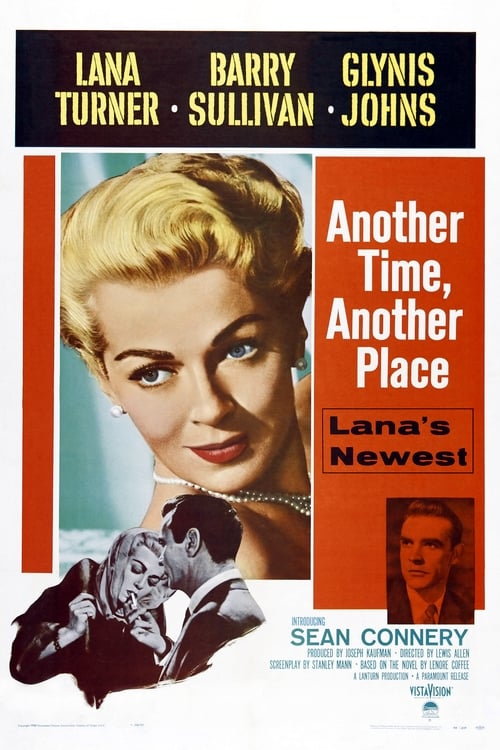
Another Time, Another Place
1958
No user ratings available yet
Representation score: 3.4 out of 10
Representation Score
Limited
1954
NRDirector
Richard Brooks
Runtime
116 minutes
Average Rating
No ratings yetNew Showbiz Analysis
This mid-century melodrama emphasizes individual emotional journeys over systemic or characters who reflect more than one aspect of diversity. While it delves deeply into the female protagonist's psychological development, the narrative remains confined within the social and racial hierarchies of the 1950s. The film's representation is heavily focused on a white, heterosexual perspective, reinforcing a homogeneous Western context. It offers limited engagement with diverse ethnic or cultural identities. Though it addresses the internal struggles of trauma, it frames these as personal challenges rather than broader disability or neurodivergent experiences. It primarily serves as a traditional character study within a conventional social framework.
Category Breakdown
The film does not include any LGBTQ+ characters or non-cisgender identities. The romantic storyline focuses solely on the central heterosexual relationship.
The female lead plays a significant role in navigating her grief, challenging passive female stereotypes. Male characters serve as catalysts, but the protagonist's psychological journey breaks away from traditional female roles.
The cast is predominantly white, reflecting a homogeneous Western society in post-war Paris. The story lacks racial diversity and does not engage with non-Anglo-Saxon perspectives.
The story adheres to a conventional moral framework centered around the family unit. It upholds traditional mid-century social values without critiquing Western institutions.
The film examines the psychological impact of trauma and grief as invisible mental health issues. However, it does not represent physical or neurodivergent disabilities.
Present on Screen
Limited or Absent
Official Synopsis
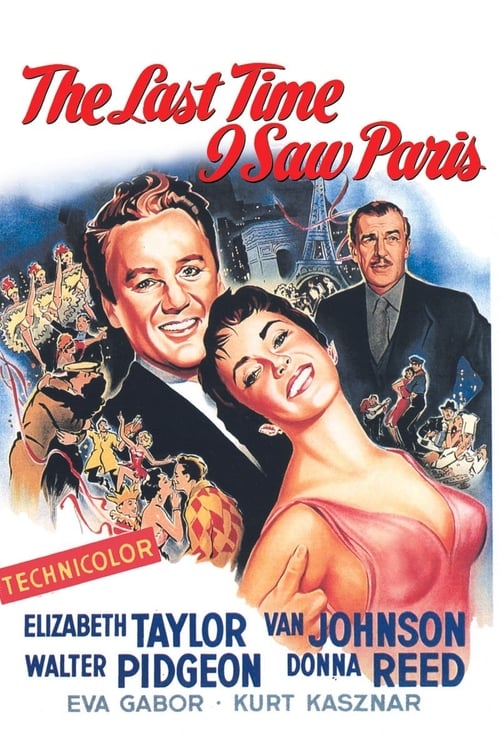
Reporter Charles Wills, in Paris to cover the end of World War II, falls for the beautiful Helen Ellswirth following a brief flirtation with her sister, Marion. After he and Helen marry, Charles pursues his novelistic ambition while supporting his new bride with a deadening job at a newspaper wire service. But when an old investment suddenly makes the family wealthy, their marriage begins to unravel — until a sudden tragedy changes everything.
1958

1954
1955

1948

1949
1952

1950
1939
No reviews yet. Be the first to share your thoughts on this movie!
Use the rating form above to leave a star rating and optional review.