Back Street
1961
No user ratings available yet
Diversity score: 2.3 out of 10
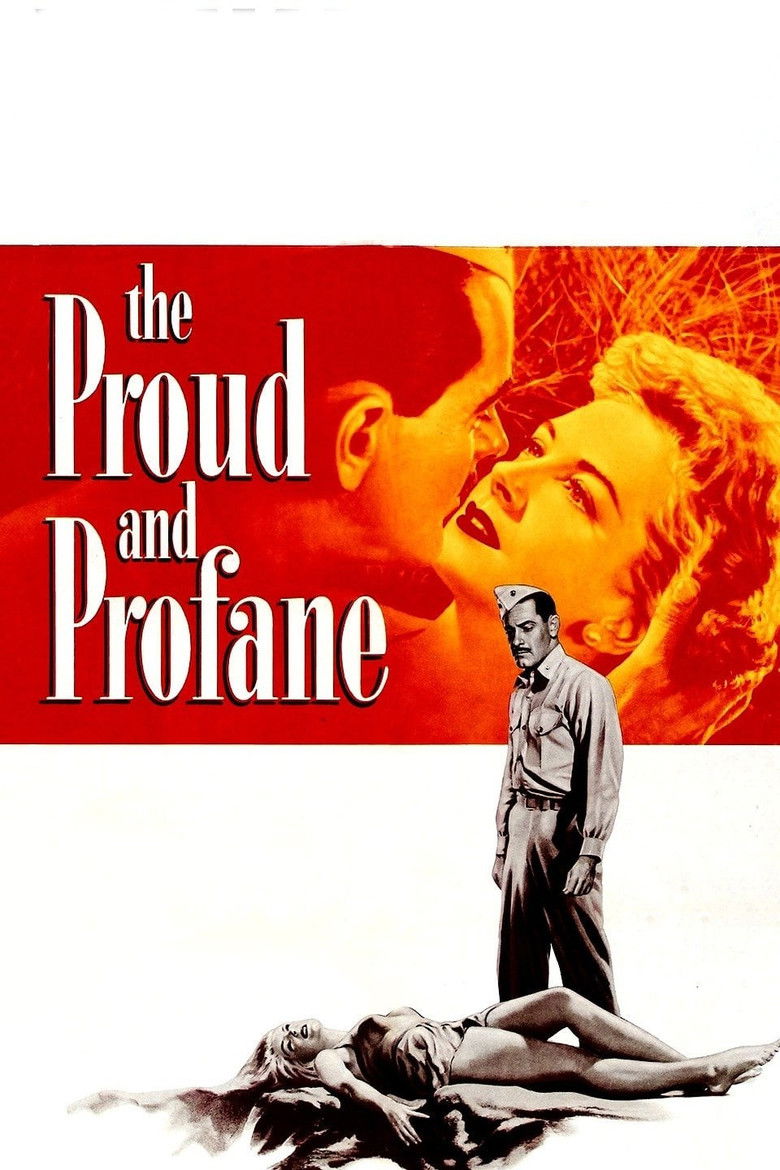
1956
NRDirector
George Seaton
Runtime
111 minutes
Average Rating
No ratings yetSynopsis
In this romantic drama, beautiful Red Cross volunteer Lee Ashley arrives on the South Pacific island of New Caledonia to learn more about the circumstances surrounding the death of her husband, Howard, in the Battle of Guadalcanal. There, Ashley falls for the gruff, seductive Marine Lt. Col. Colin Buck, but struggle and tragedy follow when the widow learns about the reality of Buck's life back home.
Overall Score
Limited
Category Breakdown
LGBTQ+ Representation
The film adheres strictly to 1950s heteronormative standards. There is no presence of non-cisnormative identities or same-sex intimacy, focusing entirely on the heterosexual romance.
Gender Representation
Lee Ashley demonstrates significant agency by actively investigating her husband's death. While she navigates complex emotional landscapes, the story remains anchored in mid-century gender hierarchies and military-driven conflicts.
Racial & Ethnic Diversity
Despite its South Pacific setting, the cast is predominantly white. The narrative focuses on American military personnel, leaving indigenous characters without agency or meaningful integration into the story.
Religious & Cultural Diversity
The film operates within a conventional Western framework centered on personal integrity. It lacks a critique of Western institutions, focusing instead on individual moral struggles and wartime service.
Disability Representation
There is no discernible representation of physical, sensory, or neurodivergent disabilities. Characters are portrayed through the lens of standard physical capability typical of mid-century romantic dramas.
Strengths
Areas for Improvement
AI Analysis
The Proud and Profane is a mid-century character study that prioritizes individual morality over systemic critique. While it offers a nuanced look at female agency through Lee Ashley, it remains a product of its era's social constraints. The film's primary weakness lies in its lack of intersectional depth. The South Pacific setting is underutilized, resulting in a predominantly white cast and a narrative that ignores the local cultural landscape. Ultimately, the film reinforces traditional social norms. It provides a focused romantic drama but fails to challenge the racial or institutional status quo of the 1950s.
1961
1933
1958
1955
2001
1947

1934
1956
2003
1954
1919
1957
No reviews yet. Be the first to share your thoughts on this movie!
Use the rating form above to leave a star rating and optional review.