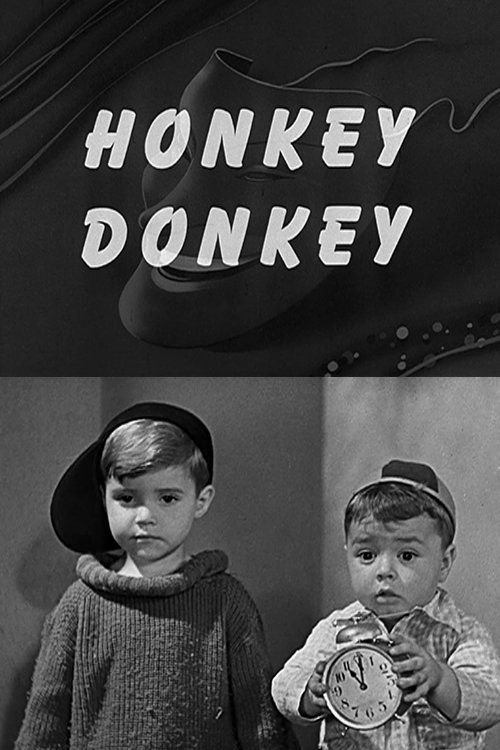
Honky Donkey
1934
No user ratings available yet
Representation score: 0.4 out of 10
Representation Score
Minimal
1935
ApprovedDirector
John Waters
Runtime
9 minutes
Average Rating
No ratings yetNew Showbiz Analysis
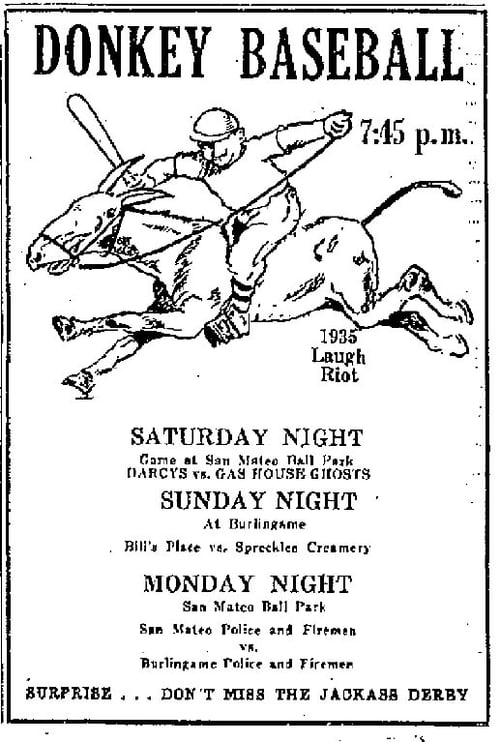
Donkey Baseball serves as a brief historical document of a 1930s novelty sport rather than a deep narrative exploration. Since the film concentrates on a specific sporting event, it lacks the necessary character development and thematic complexity to examine overlapping aspects of diversity or challenge societal norms. Additionally, there are notable inaccuracies in the biographical information about the director. The film incorrectly attributes the direction to John Waters in 1935, despite Waters being born in 1946. This inconsistency raises questions about the accuracy of the film's cataloging, making it difficult to assess its intentions regarding diversity. Overall, the film fails to provide any concrete data on the representation of underrepresented groups, leading to a lack of diversity metrics.
Category Breakdown
The film doesn't include any LGBTQ+ identities or intimate relationships. The focus on the sport of donkey baseball doesn't provide any context for discussing sexual orientation.
The movie doesn't explore gender roles or the impact of female characters. There's no indication of challenging traditional gender norms.
The film centers solely on the sport of donkey baseball. Without knowing the cast makeup, there's no evidence of non-white or non-Anglo-Saxon representation.
The film documents a historical trend without delving into deeper cultural themes. It doesn't address anti-capitalist messages or the dismantling of Western institutions.
There's no mention of characters with visible or invisible disabilities. The film also doesn't show any neurodivergent representation.
Present on Screen
Limited or Absent
Official Synopsis
This short film highlights the odd 1930s fad of playing baseball while riding donkeys.
1934
1937
1947
1951
1949
1941
1954
1939
No reviews yet. Be the first to share your thoughts on this movie!
Use the rating form above to leave a star rating and optional review.