
Booby Hatched
1944
No user ratings available yet
Diversity score: 2.7 out of 10
1938
NRDirector
Frank Tashlin
Runtime
6 minutes
Average Rating
No ratings yetSynopsis
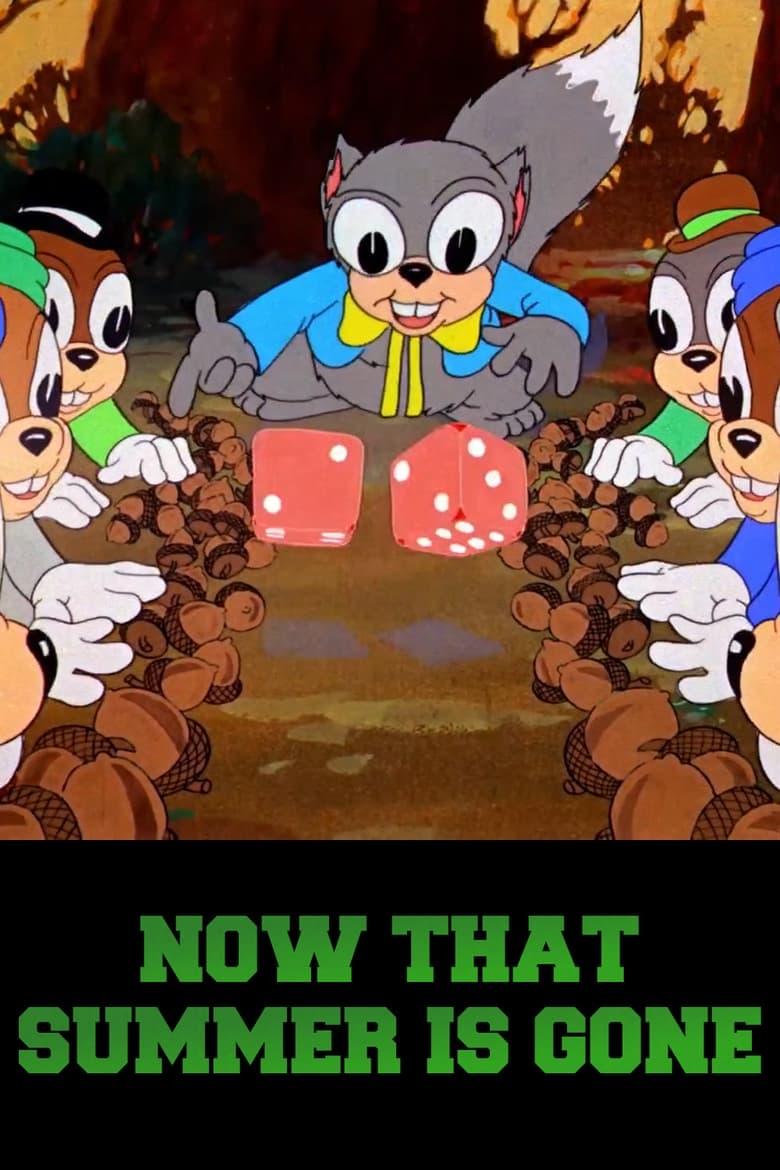
Summer is gone, and throughout the forest young squirrels are working hard gathering acorns for the long cold winter ahead. But one such squirrel has a better idea: winning acorns by shooting dice.
Overall Score
Minimal
Category Breakdown
LGBTQ+ Representation
The film focuses on a seasonal struggle for survival among squirrels. There is no evidence of non-cisnormative identities or narratives critiquing heteronormativity.
Gender Representation
The protagonists are identified only as young squirrels. The story lacks specific gendered character arcs or any subversion of gender hierarchies.
Racial & Ethnic Diversity
As an animated short featuring animal characters, the work does not engage with human racial or ethnic dynamics. The setting precludes traditional racial representation.
Religious & Cultural Diversity
The narrative reinforces traditional values of industry and preparation. It functions as a cautionary tale regarding anti-social behavior and communal survival.
Disability Representation
There is no evidence of characters with physical or neurodivergent disabilities. The synopsis provides no indication of how such traits are handled.
Strengths
Areas for Improvement
AI Analysis
This animated short operates within a traditional fable-like structure, using anthropomorphic animals to explore the tension between communal labor and individualistic gambling. The narrative is built on a clear moral dichotomy: the virtue of hard work versus the vice of high-risk behavior. Because the characters are non-human and the setting is a naturalistic forest, the film lacks the framework for intersectional identity politics. It does not engage with human social hierarchies or complex social representation. Ultimately, the film adheres to the standard comedic and moral tropes of 1930s animation, prioritizing a simple cautionary lesson over diverse character perspectives.
1944
1955
1952
1935
1946
1936
1948
1949
1951
1935
1943
1970
No reviews yet. Be the first to share your thoughts on this movie!
Use the rating form above to leave a star rating and optional review.