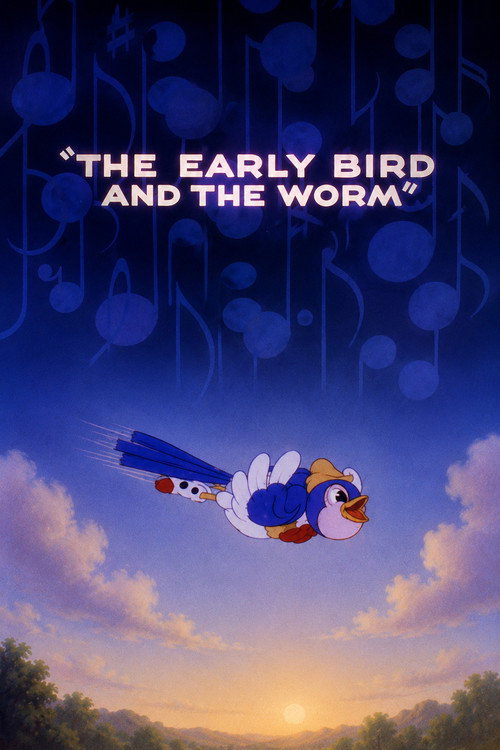
The Early Bird and the Worm
1936
No user ratings available yet
Representation score: 1.1 out of 10
No Poster Available
Representation Score
Minimal
1935
ApprovedDirector
Rudolf Ising
Runtime
9 minutes
Average Rating
No ratings yetNew Showbiz Analysis
Barnyard Babies is a classic example of 1930s short-form animation, focusing on slapstick humor and situational comedy. The narrative revolves around a predictable competitive framework centered on a baby contest in a rural setting. The film adheres strictly to the established social and narrative conventions of its time. It uses anthropomorphic animal archetypes to create a simple, repetitive plot without delving into complex social identities or systemic critiques. Ultimately, the work lacks intentional characters who reflect more than one aspect of diversity. It serves as a standard genre piece that reinforces traditional hierarchies and pastoral norms without challenging them.
Category Breakdown
The film does not include any representation of LGBTQ+ identities or same-sex relationships. The storyline focuses on traditional animal roles within a farm setting.
The story relies on traditional gender roles, depicting a rooster and a hen. These roles reinforce the era's typical gender expectations without challenging them.
As an animated film featuring animals, there is no depiction of human racial diversity. The characters are designed in a homogeneous style typical of 1930s animation, without diverse representation.
The story adheres to traditional Western comedic styles set in a rural environment. It upholds conventional social norms without offering any cultural critique or institutional analysis.
There is no indication of characters having visible or invisible disabilities. The film does not address neurodivergence or physical impairments.
Present on Screen
Limited or Absent
Official Synopsis
There is a baby contest going on in the barn, but the rooster and hen haven't hatched their brood yet.
1936

1937
1962
1938
1936
1935
1942
1944
No reviews yet. Be the first to share your thoughts on this movie!
Use the rating form above to leave a star rating and optional review.