Dark Horse
1992
No user ratings available yet
Representation score: 1.8 out of 10
Representation Score
Good
1989
Director
Erik Clausen
Runtime
85 minutes
Average Rating
No ratings yetNew Showbiz Analysis
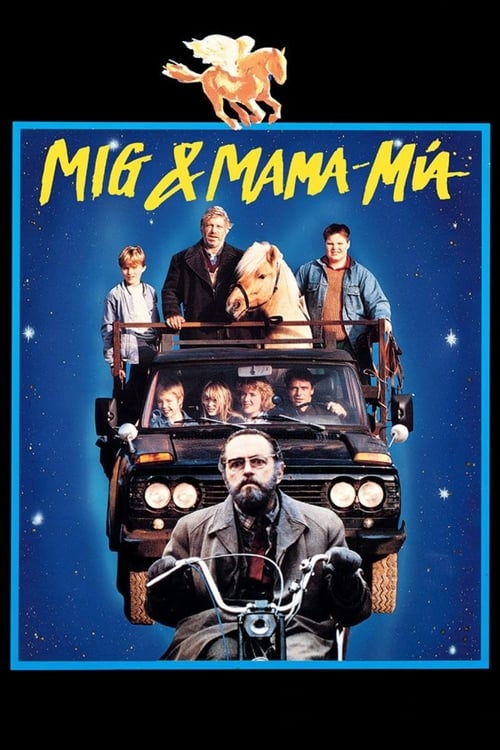
Tarzan Mama Mia uses social realism to challenge polished family genre expectations. By centering a child's ability to act and emphasizing community strength, the film disrupts traditional hierarchies. The story shifts the intellectual weight from the father to the female protagonist, Rikke, providing a refreshing perspective on gender roles. While the film lacks explicit LGBTQ+ or specific disability identities, its focus on a underrepresented urban community offers a departure from mainstream, idealized narratives.
Category Breakdown
The film does not include explicit LGBTQ+ characters or identities. The story focuses on a child and her father, maintaining a traditional family structure.
Eleven-year-old Rikke drives the narrative through her initiative and management of the prize. Her father is portrayed as a passive consumer, challenging traditional patriarchal roles.
Set in a slum neighborhood, the film explores diverse socioeconomic backgrounds. This urban, working-class setting contrasts with the homogeneous, upper-class depictions typical of mainstream family cinema.
The narrative emphasizes community mobilization and collective problem-solving over corporate logic. It values unconventional social structures over idealized middle-class stability.
No specific disabilities are mentioned. However, the focus on coping within a underrepresented urban environment suggests potential for nuanced human experiences.
Present on Screen
Limited or Absent
Official Synopsis
Eleven-year old Rikke lives alone with her father, whose only interest in life seems to be the soccer matches which appear on his television. Not surprisingly, Rikke is somewhat bored. She enters a contest put on by a cereal company which has as its grand prize a horse. Since she lives in the city in a second floor apartment, it never occurred to her that she might win, but win she does. The horse ("Mama-Mia") duly appears, and she and the members of her slum neighborhood come together to cope with the situation in a delightful way.
1992

1945
2012
2018
1995
2015
2010
1996
No reviews yet. Be the first to share your thoughts on this movie!
Use the rating form above to leave a star rating and optional review.