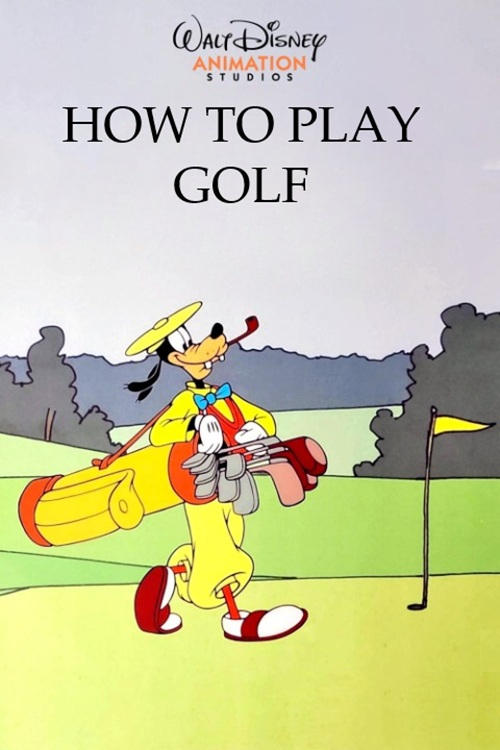
How to Play Golf
1944
No user ratings available yet
Representation score: 1.6 out of 10

Representation Score
Minimal
1942
NRDirector
Jack Kinney
Runtime
8 minutes
Average Rating
No ratings yetNew Showbiz Analysis
How to Play Baseball is a product of its time, emphasizing slapstick humor and the physical mechanics of baseball over social complexity. The narrative revolves around Goofy's comedic interactions and the subversion of physics during a baseball game. Since the film focuses on a single anthropomorphic character, it fails to offer broad representation. It adheres to the demographic and gender norms typical of mainstream American animation in the early 1940s. Ultimately, the work serves as a light-hearted engagement with established cultural archetypes. It does not aim to challenge social hierarchies or provide perspectives that reflect multiple aspects of identity.
Category Breakdown
The film does not include any LGBTQ+ characters or themes. The story focuses solely on baseball mechanics and the protagonist's humorous interactions.
The story centers on a single male character engaged in athletic activities. It lacks female characters or gender-specific storylines, reflecting the male-centric comedy norms of the 1940s.
The production mirrors the demographic uniformity of 1942 animation. There is no indication of a diverse cast or intentional blending of racial identities.
The film celebrates baseball as a quintessential American pastime. It upholds traditional views of sports and leisure without providing critical or cultural insights.
The film does not feature any characters with visible or invisible disabilities. The comedy relies on exaggerated cartoon physics rather than representing neurodivergence or physical impairment.
Present on Screen
Limited or Absent
Official Synopsis
Goofy shows us the national pastime. After a brief overview, we have a demonstration of the many possible pitches. On to the World Series, where we go through an eventful inning, culminating in a baseball that disintegrates when being hit.
1944
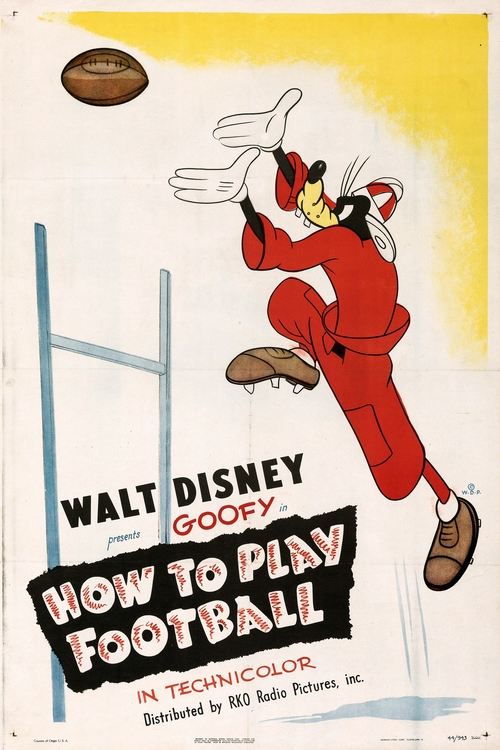
1944
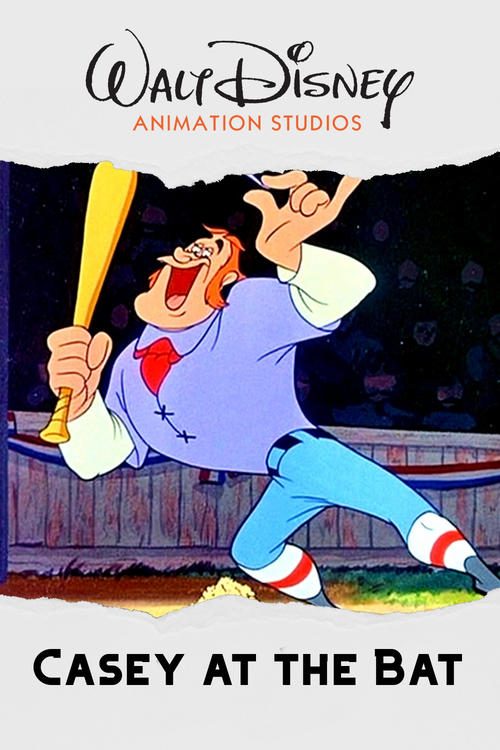
1946
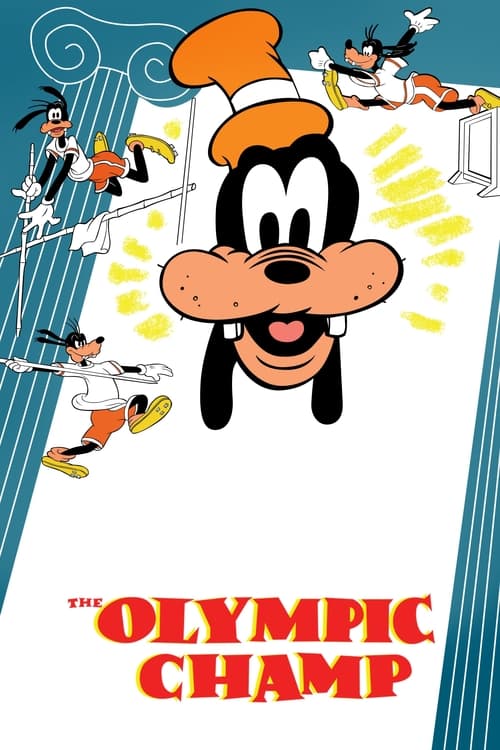
1942
1942
1953
1949
1941
No reviews yet. Be the first to share your thoughts on this movie!
Use the rating form above to leave a star rating and optional review.