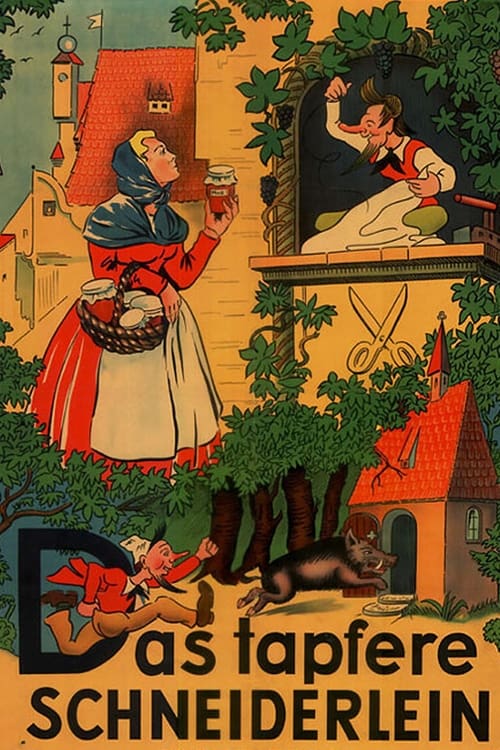
The Brave Little Tailor
1941
No user ratings available yet
Representation score: 0.3 out of 10
Representation Score
Minimal
1960
GDirector
Tom McGowan
Runtime
47 minutes
Average Rating
No ratings yetNew Showbiz Analysis
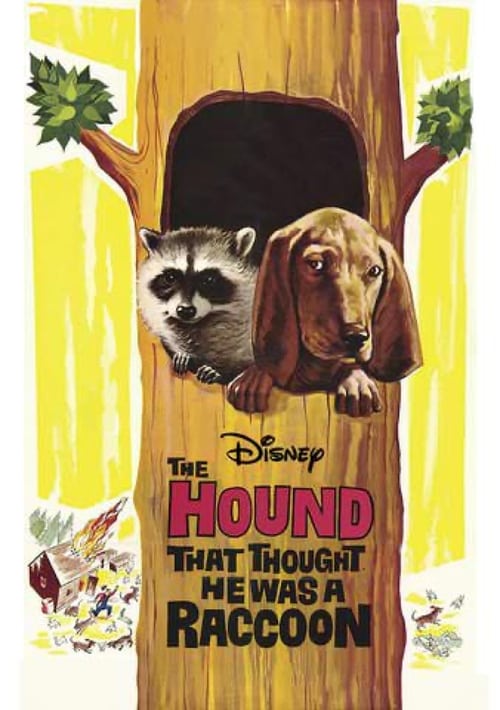
This 1960 Disney adaptation operates within the traditionalist framework of its era. The storytelling focuses on anthropomorphic animal fables designed for broad, domestic appeal, which naturally aligns with the established social norms of the mid-century period. The film maintains a homogeneous perspective, offering little to no disruption of cultural hierarchies. It prioritizes moral clarity and conventional family values over diverse or subversive representation. Ultimately, the production serves as a snapshot of a specific historical moment in animation, where narrative structure upholds rather than challenges standard social structures.
Category Breakdown
The film does not include any characters with non-conforming gender identities or same-sex relationships. It adheres to traditional animal fable structures that typically avoid LGBTQ+ themes.
Gender roles in the film likely follow traditional archetypes common to 1960s family animation. The narrative seems to reinforce conventional gender differences.
The production reflects a singular, Western-centric viewpoint typical of its era. There is no indication of a diverse cast or ethnic metaphors.
The story emphasizes stable family units and clear moral binaries. It reinforces traditional social cohesion rather than challenging Western institutions.
There is no evidence of neurodivergence or disability being used as a central narrative device. Physical limitations are limited to basic animal biology.
Present on Screen
Limited or Absent
Official Synopsis
One of multiple Walt Disney adaptations from Rutherford Montgomery stories.
1941
1963
1951
1946
1965
1957
1960
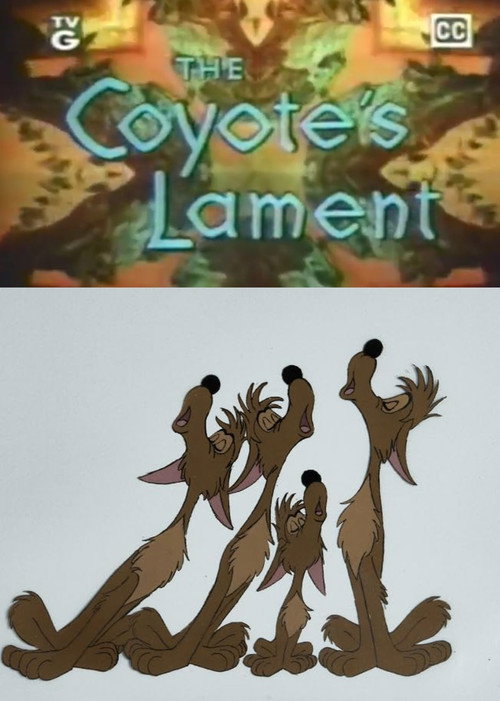
1961
No reviews yet. Be the first to share your thoughts on this movie!
Use the rating form above to leave a star rating and optional review.