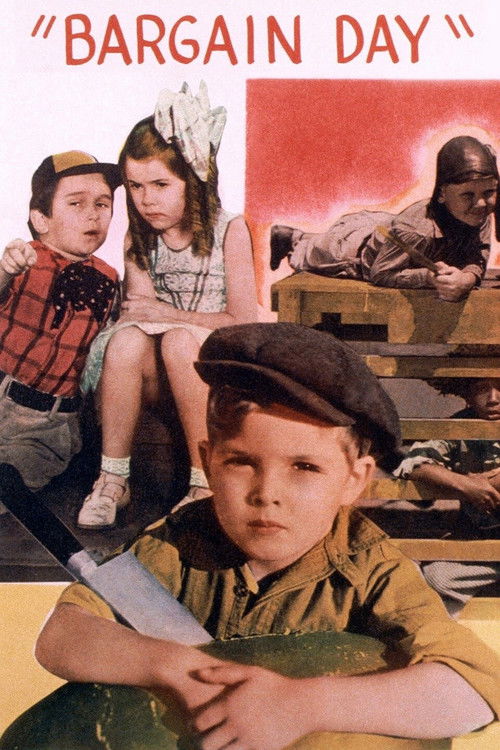
Bargain Day
1931
No user ratings available yet
Representation score: 1.4 out of 10
No Poster Available
Representation Score
Minimal
1935
ApprovedDirector
Sam White
Runtime
18 minutes
Average Rating
No ratings yetNew Showbiz Analysis
Hunger Pains is a typical period comedy that adheres to the social and narrative conventions of the 1930s. The film uses established clichés related to class and gender that support the status quo rather than challenge it. The narrative structure relies on a traditional hierarchy where the male lead's actions drive the resolution of conflicts involving economically disadvantaged women. This reflects the era's conventional approach to romantic and social dynamics. Overall, the film lacks intentional diversity and focuses on a homogeneous view of society centered on Western social classes and traditional capitalist mobility.
Category Breakdown
The film does not include any characters with non-binary or LGBTQ+ identities or same-sex relationships. It features traditional heterosexual romances typical of the 1930s.
The story revolves around a power dynamic between women and a wealthy male character. The male lead plays a key role in resolving the main conflict.
The cast appears to be entirely white and Anglo-Saxon, following the homogeneous casting standards of the mid-1930s.
The story is set within a traditional capitalist framework emphasizing economic struggles. It reinforces class structures through the use of the wealthy playboy cliché.
The film does not depict any characters dealing with physical, sensory, or neurodivergent conditions.
Present on Screen
Limited or Absent
Official Synopsis
The girls are down on their luck when they run into a wealthy playboy who has been sent out into the world by his father with just $10.00 to earn a living for himself, starting at the bottom by selling magazine subscriptions.
1931

1934

1933

2013
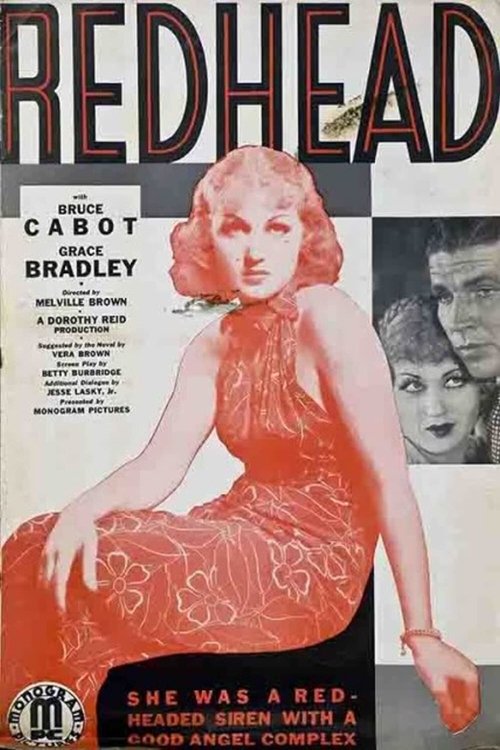
1934
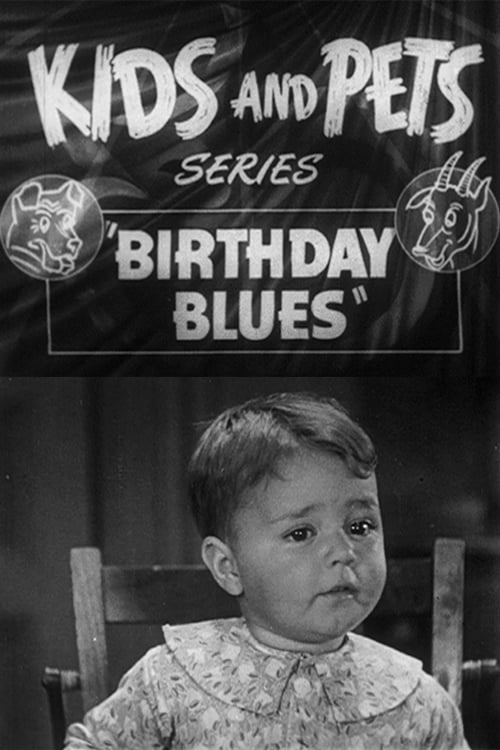
1932
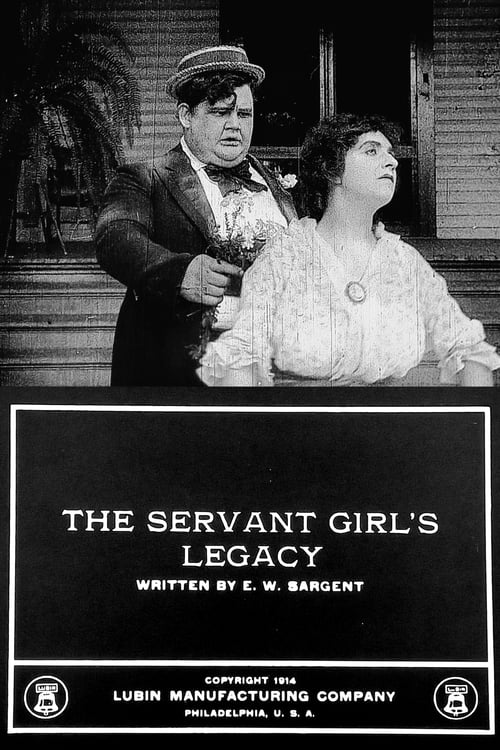
1914
1934
No reviews yet. Be the first to share your thoughts on this movie!
Use the rating form above to leave a star rating and optional review.