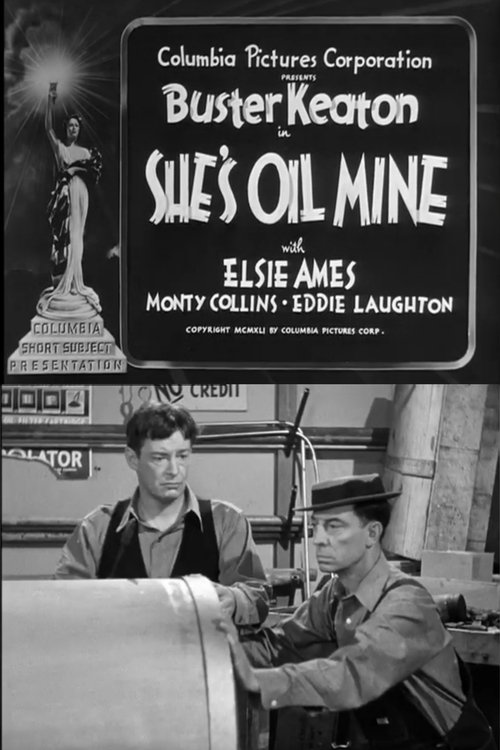
She's Oil Mine
1941
No user ratings available yet
Diversity score: 2.2 out of 10
1940
ApprovedDirector
Jules White
Runtime
18 minutes
Average Rating
No ratings yetSynopsis
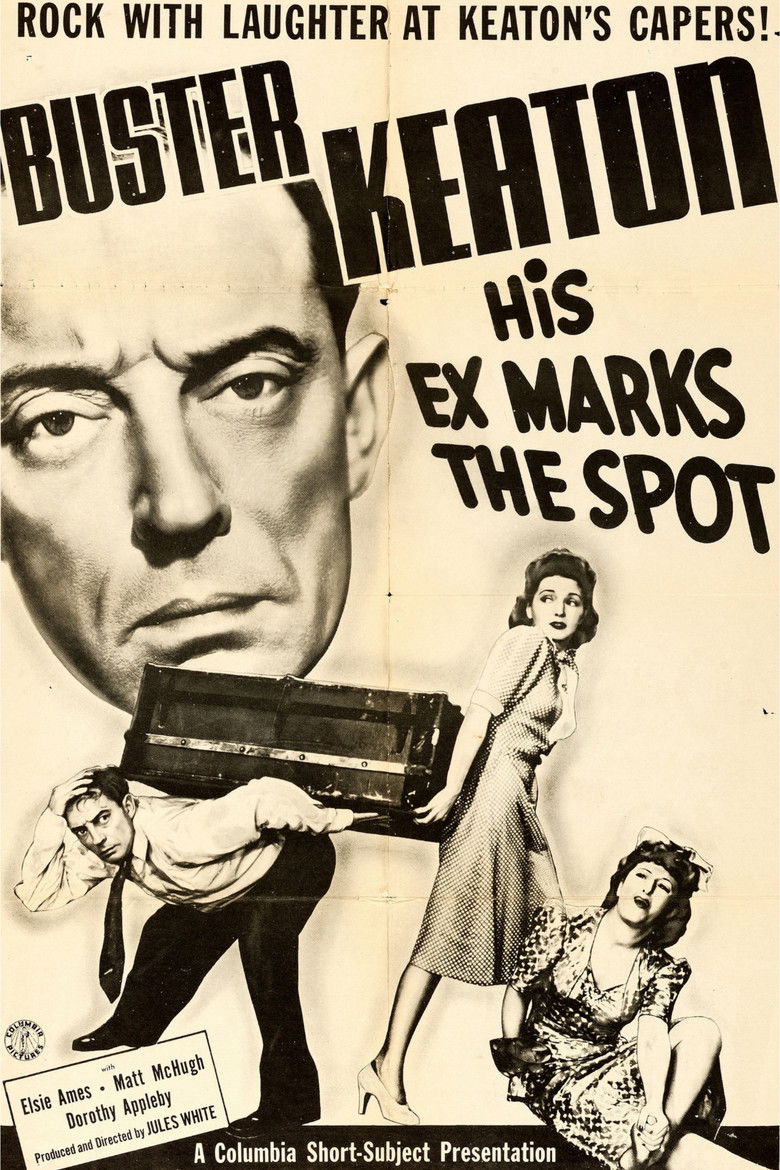
Buster's home life is disrupted when his ex-wife and her boyfriend move in.
Overall Score
Limited
Category Breakdown
LGBTQ+ Representation
The film operates through a heteronormative lens, focusing on an ex-wife and her boyfriend. There is no evidence of non-cisnormative identities or any critique of traditional romantic structures.
Gender Representation
The plot centers on a male protagonist's domestic disruption. Female characters appear to function as comedic foils or catalysts for chaos, reinforcing traditional gendered roles common to the era.
Racial & Ethnic Diversity
The production reflects the homogeneous casting standards typical of Hal Roach Studios in 1940. There is no indication of intentional racial blending or intersectional casting within the narrative.
Religious & Cultural Diversity
The story aligns with traditional Western values regarding marriage and domesticity. The conflict remains situational and personal rather than addressing systemic or ideological cultural issues.
Disability Representation
The film provides no information or visible representation regarding characters with physical or neurodivergent disabilities.
Strengths
Areas for Improvement
AI Analysis
His Ex Marks the Spot is a product of its time, prioritizing slapstick humor and situational irony over social commentary. The narrative structure relies on conventional mid-century tropes, focusing on domestic stability and traditional romantic hierarchies. The film lacks intersectional depth, adhering to the standard demographic and social frameworks of 1940s comedy. It functions as a period-typical domestic comedy rather than a work that subverts established social norms. Ultimately, the film offers a narrow view of identity, reinforcing the status quo through its character archetypes and thematic focus on the sanctity of the home.
1941
1946
1940
1952
1949
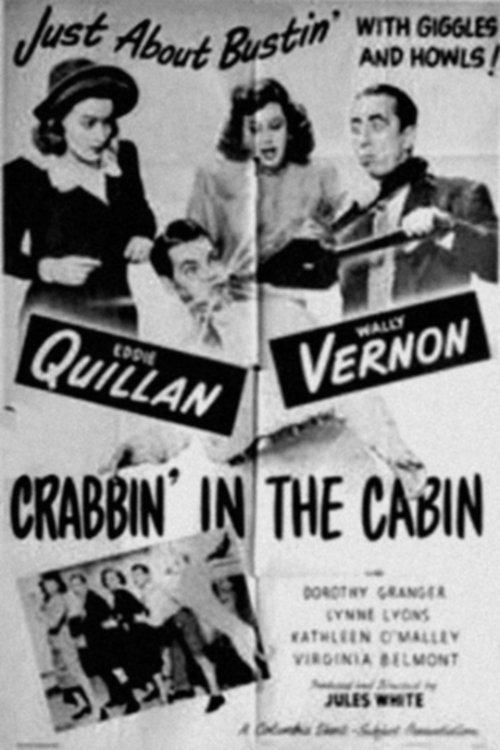
1948
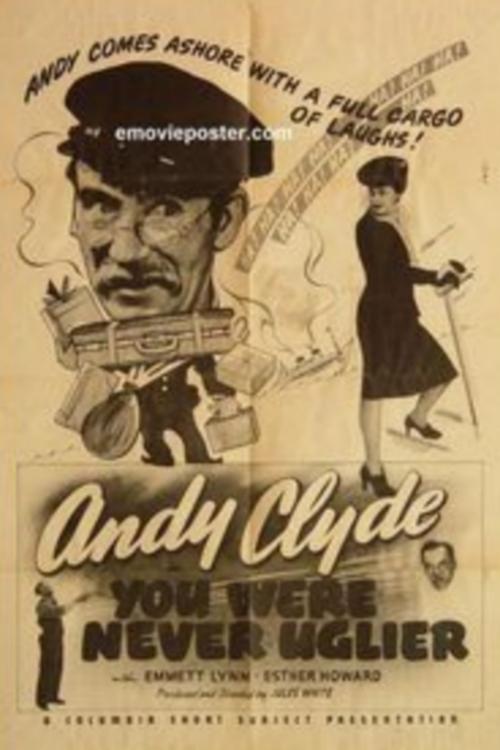
1944
1950
1952
1952
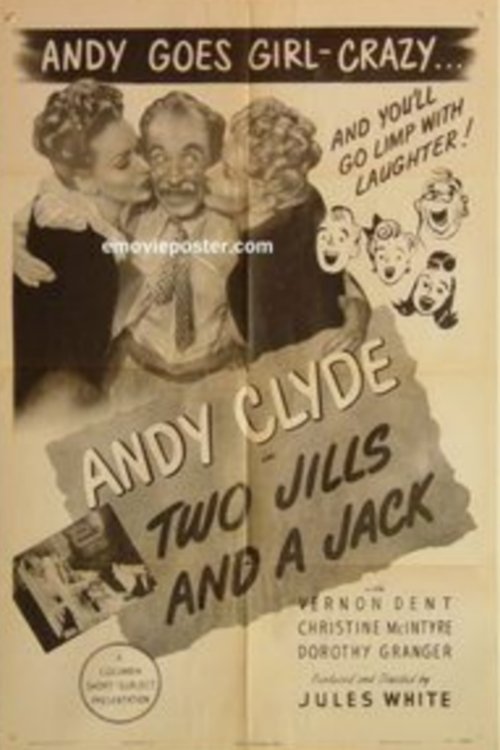
1947

1950
No reviews yet. Be the first to share your thoughts on this movie!
Use the rating form above to leave a star rating and optional review.